Retirement should be the time when you finally get to pursue all those interests you never had time for during your working years. Many retirees dive headfirst into new hobbies with enthusiasm, ready to make up for lost time.
The excitement of having freedom to explore new passions can sometimes cloud our judgment about the real costs involved. What starts as a fun way to spend your golden years can quickly turn into a financial burden that eats away at your retirement savings faster than you expected.
Some hobbies have hidden expenses that add up over time, while others require significant upfront investments that might not fit every retirement budget. Being aware of these costs helps you plan better and maybe find more affordable alternatives that still bring you joy.
Golf

Golf is the classic retirement hobby, but the costs can add up quickly beyond just greens fees. A decent set of clubs can cost thousands of dollars, and that’s before you factor in regular equipment upgrades that many golfers feel they need.
Country club memberships often run into the tens of thousands per year, not including initiation fees that can reach six figures at premium clubs. Even public courses charge substantial fees, especially for prime tee times, and these costs keep rising each year.
The hidden expenses include golf lessons, which serious players often take regularly, plus the constant need for golf balls, tees, and other accessories. Many golfers also feel pressure to dress appropriately, leading to expensive clothing purchases.
Luxury Travel and Cruising

Retirement travel often involves more expensive trips than the budget vacations of younger years. Many retirees want to see the world in comfort, choosing luxury cruises, first-class flights, and high-end hotels that can cost thousands per trip.
The cruise industry specifically targets retirees with elaborate ships and exotic destinations, but these trips often come with hidden costs. Shore excursions, specialty dining, beverages, and onboard activities can double the advertised cruise price.
Extended travel also means additional expenses like travel insurance, which becomes more expensive with age, and potential medical costs while abroad. Many retirees book multiple trips per year, thinking they can afford it based on their initial retirement calculations.
Collecting Antiques and Art

Collecting can start innocently enough, but it often becomes an expensive obsession that grows beyond the original budget. Antique furniture, vintage items, and artwork can carry hefty price tags, especially for pieces in good condition or from desirable periods.
The authentication process for valuable collectibles often requires expert appraisals, which cost money and don’t guarantee the item’s future value. Many collectors also need climate-controlled storage or home modifications to properly display and preserve their acquisitions.
Insurance costs for valuable collections can be substantial, and the market for many collectibles is unpredictable. Items that seem valuable today might not hold their worth, making collecting a risky investment strategy for retirees.
Boating and Sailing

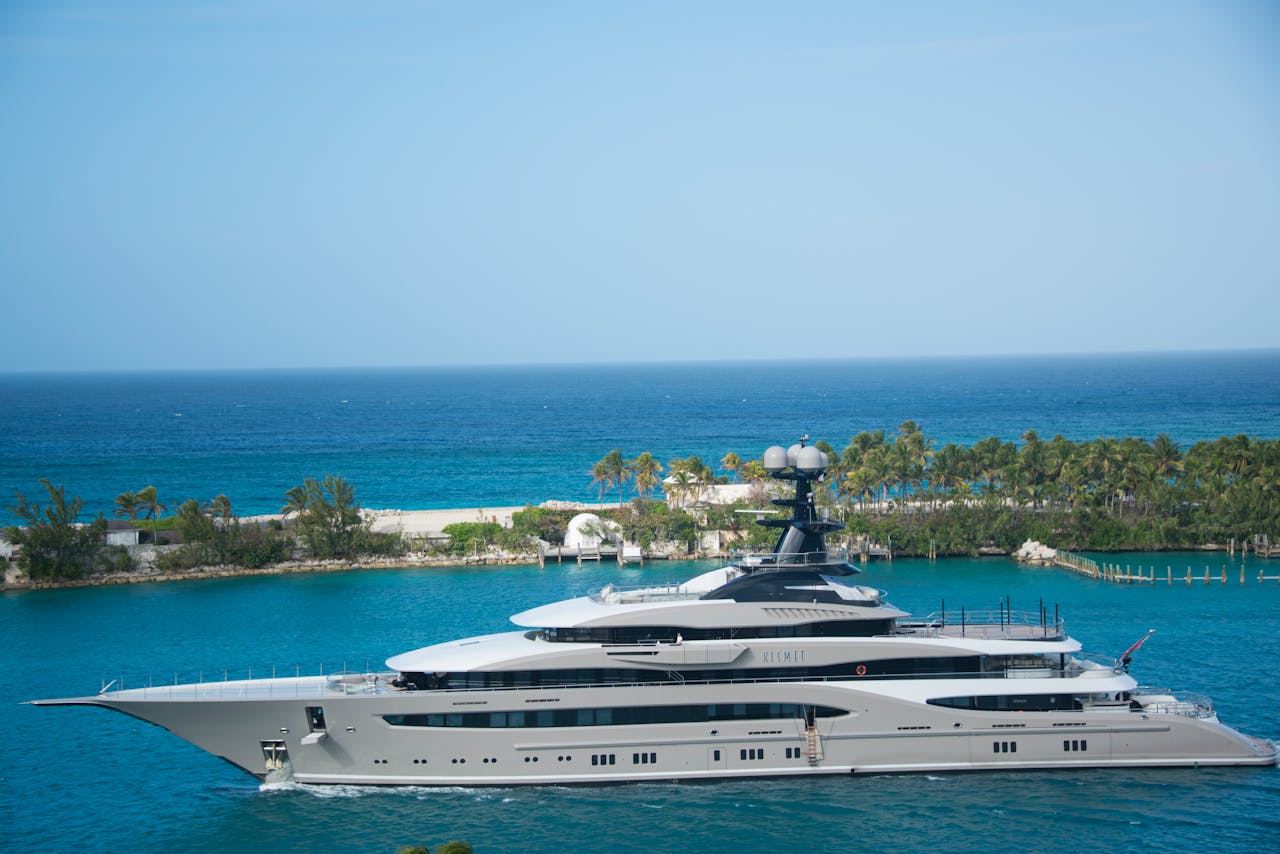
Boat ownership involves much more than the initial purchase price, leading to the common saying that the two happiest days in a boat owner’s life are the day they buy it and the day they sell it. Maintenance, storage, insurance, and fuel costs can easily exceed the original boat cost over time.
Marina fees for docking can run thousands of dollars annually, and winterization or dry storage adds more expenses. Regular maintenance is essential for safety and performance, but marine repairs are notoriously expensive due to specialized parts and skilled labor requirements.
Boat insurance is costly and becomes more expensive as boats age, while fuel costs can be shocking for larger vessels. Many boat owners also feel compelled to upgrade their equipment regularly, adding GPS systems, fish finders, and other electronics.
Photography Equipment and Travel

Photography has become increasingly popular among retirees, but professional-quality equipment comes with professional-level prices. Camera bodies, lenses, tripods, and editing software can easily cost thousands of dollars for a basic setup.
The desire to capture better shots often leads to constant equipment upgrades as new technology becomes available. Many photography enthusiasts also travel extensively to find interesting subjects, combining two expensive hobbies into one costly pursuit.
Specialized photography trips, workshops, and tours can cost thousands of dollars each, and serious photographers often take multiple trips per year. The cost of printing high-quality photographs, framing, and displaying work adds additional expenses.
Wine Collecting and Tasting

Wine collecting can quickly become an expensive habit, especially for those who develop a taste for premium bottles. Serious collectors often invest in temperature-controlled storage systems, which can cost thousands to install and maintain.
Wine tasting trips to famous regions around the world combine travel expenses with the cost of tastings, tours, and purchasing bottles to bring home. These trips often involve staying at upscale accommodations and dining at expensive restaurants.
The social aspect of wine collecting, including joining wine clubs and attending tastings, creates ongoing expenses that can add up over time. Many collectors also feel pressure to buy rare or vintage bottles that can cost hundreds or thousands of dollars each.
Gardening and Landscaping

Gardening might seem like an affordable hobby, but serious gardeners often spend surprising amounts on plants, tools, and garden improvements. Landscaping projects can cost thousands of dollars, and the desire to create the perfect garden can become an expensive obsession.
Greenhouse construction, irrigation systems, and specialized tools for different types of gardening can require significant upfront investments. Many gardeners also hire professionals for major projects like tree removal or hardscaping.
The ongoing costs of plants, fertilizers, pesticides, and replacement tools add up over time. Serious gardeners often expand their hobby to include exotic plants that require special care and expensive equipment.
Woodworking and Crafting

Woodworking attracts many retirees who want to create useful items or artistic pieces, but quality tools and equipment can be extremely expensive. Professional-grade table saws, planers, and other machinery can cost thousands of dollars each.
The workshop setup costs, including proper lighting, ventilation, and storage, can rival the cost of the tools themselves. Many woodworkers also need to rent or purchase workshop space if their homes don’t have adequate room.
High-quality wood and materials for projects can be costly, especially for hardwoods or specialty lumber. The trial-and-error nature of learning new techniques can lead to expensive mistakes and wasted materials.
Classic Car Restoration

Classic car restoration appeals to many retirees who have the time and interest to work on vintage vehicles, but the costs can be astronomical. Finding original parts for older cars often requires paying premium prices, and restoration can take years to complete.
Professional restoration services charge high hourly rates, and even DIY restoration requires specialized tools and workspace. The cost of paint, chrome work, and interior restoration can easily reach tens of thousands of dollars per vehicle.
Storage costs for classic cars, including climate-controlled garages and proper security, add ongoing expenses. Insurance for classic cars is also more expensive than regular auto insurance.
Fishing and Hunting

Fishing and hunting might seem like affordable outdoor activities, but the equipment costs can be substantial. High-quality rods, reels, tackle, and specialized gear for different types of fishing can cost thousands of dollars.
License fees, guide services, and travel to prime fishing or hunting locations add significant expenses. Many enthusiasts also invest in boats, vehicles, or equipment specifically for their outdoor pursuits.
The seasonal nature of hunting and fishing often requires different equipment for various seasons and locations, multiplying the gear costs. Many participants also join clubs or lease hunting rights, which can cost thousands annually.
Home Renovation and Improvement

Many retirees decide to tackle home improvement projects they’ve been putting off for years, but these projects often cost more and take longer than expected. Professional contractors charge premium prices, and DIY projects can require expensive tools and materials.
The desire to create the perfect retirement home can lead to continuous renovation projects that drain savings accounts. Many retirees also underestimate the complexity of home improvement work and end up hiring professionals after attempting DIY approaches.
Permits, inspections, and unexpected problems during renovation can add thousands to project costs. The temptation to upgrade to higher-end materials and finishes during renovation can also inflate costs significantly.
Eccentric Hobbies Only Billionaires Can Afford