Most of us pick up food storage habits from our parents and never think twice about them. The trouble is, many of those habits are flat-out wrong, and they’re costing Canadian households real money, with an estimated 2.3 million tonnes of edible food wasted every year.
A few simple changes can stretch your grocery days or even weeks longer. This list covers 12 everyday foods that most people store the wrong way, plus the easy fixes that keep them fresher and out of the compost bin.
1. Your fridge is ruining your tomatoes

Cold temperatures destroy the membranes inside tomatoes, killing their sweet flavour and leaving behind a mealy texture. The chill also stops the ripening process completely. Keep them on the counter, stem-side down, to seal in moisture and let them develop full flavour. Move fully ripe ones to the fridge for a day or two if needed, but always bring them back to room temperature before eating.
2. Refrigerated bread goes stale faster

Cool, dry fridge air causes bread starches to crystallize, turning a soft loaf tough and crumbly in no time. Store what you’ll eat within two days in a bread box or sealed bag at room temperature. Slice anything extra and freeze it in a freezer-safe bag instead. Frozen bread toasts perfectly straight from the freezer and holds its quality for up to three months.
3. Cold storage changes your potatoes

Fridge temperatures convert potato starches into sugars, creating a strange sweet taste and gritty texture after cooking. A cool, dark, well-ventilated pantry or cellar is the ideal spot. Use a paper bag or an open basket so air can circulate freely. Keep potatoes away from onions, because both release gases that speed up spoilage in the other.
4. Moisture is destroying your berries

Any lingering dampness on berries acts like a welcome mat for mould spores, which is why fresh cartons often go fuzzy within days. A quick soak in one part white vinegar to three parts cold water kills those spores without affecting taste.
Rinse the berries, dry them thoroughly on a paper towel, and store them in a lined container with the lid slightly open. This simple trick can double or even triple their fridge’s life.
5. Plastic wrap suffocates your cheese
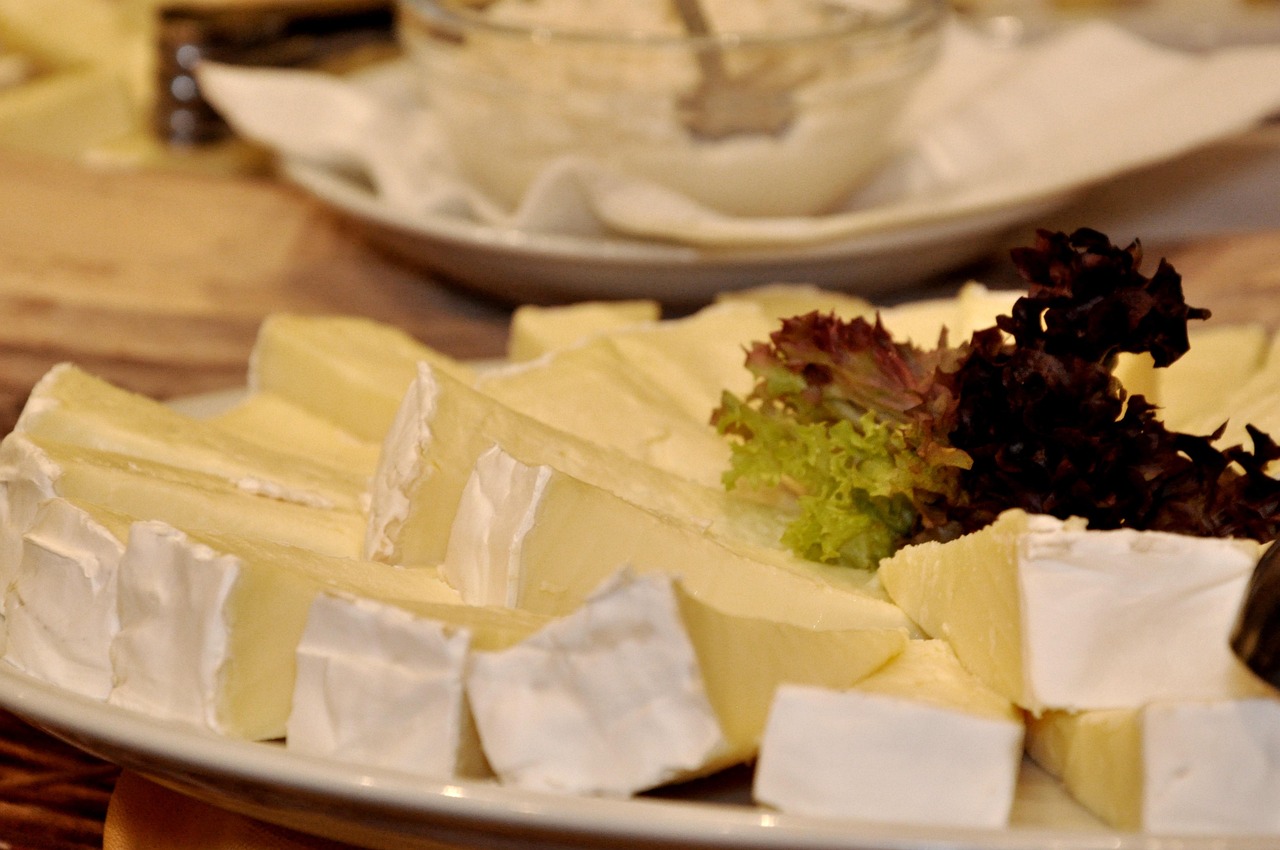
Tight plastic traps moisture against the surface and encourages mould growth, especially on hard and semi-hard varieties like cheddar and gouda. Wrap cheese in wax paper or parchment first, then loosely cover it with foil or a partially sealed bag. The vegetable drawer offers the best humidity and temperature for storage. This method lets cheese breathe just enough to stay fresh without drying out.
6. Bunched bananas ripen too fast

Ethylene gas builds up around a whole bunch and speeds up ripening for every banana in the cluster. Separating each banana and wrapping the individual stems in plastic wrap slows that gas release noticeably. Peel and freeze any extras in a sealed bag for smoothies or baking. Bananas are the most purchased fruit in Canada, so even a small storage upgrade cuts down on a lot of household waste.
7. Your crisper drawer is killing fresh herbs

Tossing herbs into the fridge inside their plastic bag seals in too much moisture and turns leaves slimy fast. Trim the stems, place them in a jar with a little water, and loosely cover the tops with a bag in the fridge.
Basil is the one exception because it prefers the counter at room temperature, where cold air can’t damage its delicate leaves. Hardier herbs like rosemary and thyme stay fresh when wrapped loosely in a slightly damp paper towel.
8. The fridge door is the worst spot for eggs
Canadian eggs lose their natural protective coating during commercial washing, so refrigeration is essential. However, the door’s constant temperature swings make it the least stable location in the fridge. Move eggs to a middle or lower shelf toward the back for the most consistent cold. Keeping them in their original carton also prevents them from absorbing strong odours from nearby foods.
9. Cold temperatures stall your avocados
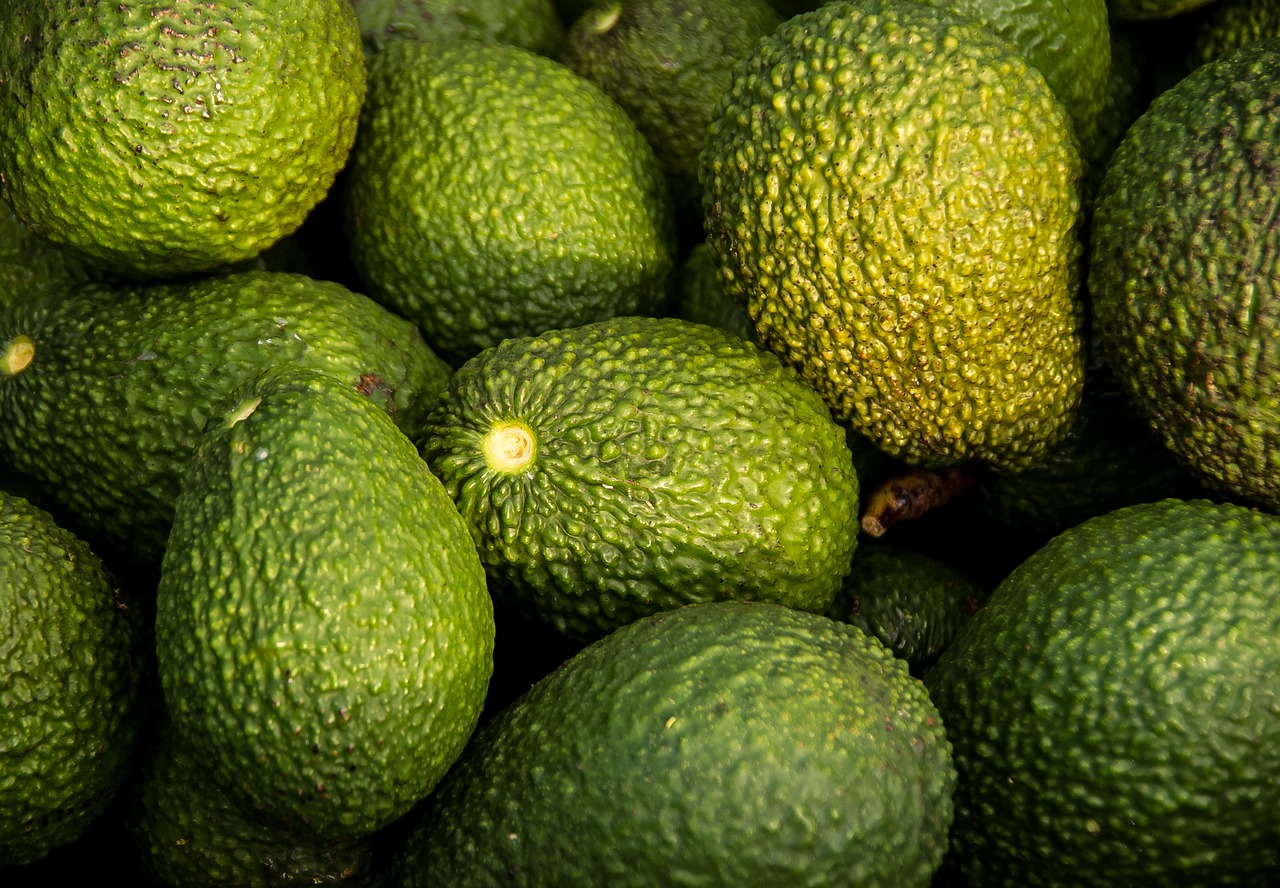
Unripe avocados belong on the counter because refrigeration halts the ripening process almost entirely. Once they give slightly when pressed, move them to the fridge right away to buy an extra two to three days. Squeeze lemon or lime juice on any exposed flesh after cutting and press plastic wrap directly against the surface. The citric acid slows the oxidation that causes quick browning.
10. Open bags turn brown sugar into bricks

Brown sugar hardens because it loses moisture the moment air reaches it, and a folded-over bag never seals tightly enough. Transfer it to an airtight container as soon as you open the package. Drop in a terracotta sugar saver or a slice of fresh bread to keep the crystals soft for months. Microwave hardened sugar with a damp paper towel for 15 to 20 seconds if you need a quick fix.
11. Heat and light destroy your cooking oils

Storing oil next to the stove speeds up oxidation, which makes it go rancid and strips away health benefits over time. A cool, dark cupboard away from any heat source is the best location. Transfer oil to a dark glass container if the original bottle is clear. Replace any bottle that develops a stale or crayon-like smell, especially with pricier oils like quality olive oil.
12. Pantry nuts and seeds go rancid quickly
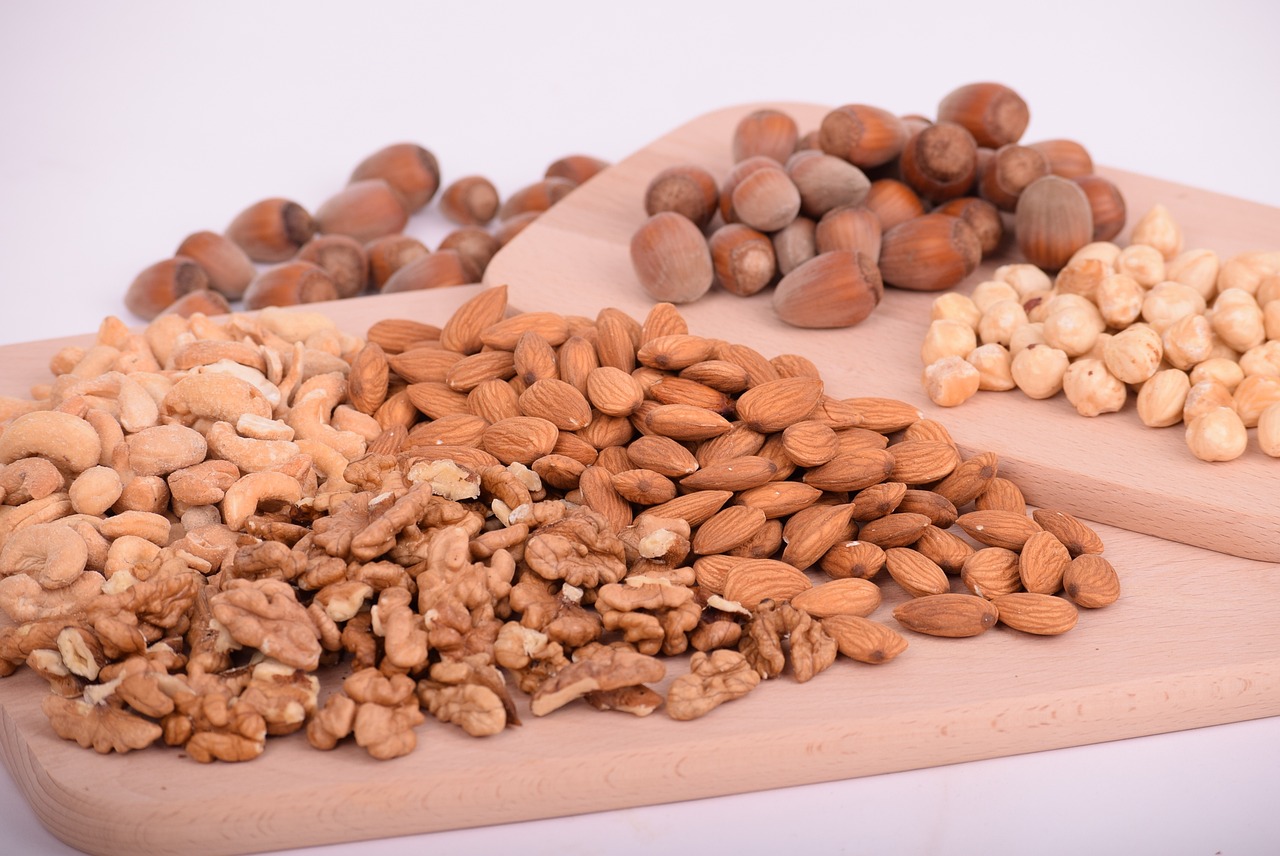
Healthy fats in nuts and seeds break down fast at room temperature, producing a bitter, stale taste within just a few weeks. The fridge or freezer is the best home for any supply you won’t finish within a week or two. Airtight containers or sealed bags prevent them from absorbing odours from other foods. Frozen nuts last up to a year, and you can chop, blend, or toast them straight from the freezer without thawing.
Foods you should never reheat in a microwave

I know how tempting it is to just toss leftovers in the microwave for a quick meal. It’s easy, fast, and gets the job done, right? Well, not always. Some foods can turn nasty or even dangerous when you zap them.