Religious communities have long been part of Canada’s diverse cultural landscape, with many groups practicing their beliefs quietly and privately. Some of these communities have unique practices, fascinating histories, and intriguing stories that often go unnoticed by the mainstream population. These groups have found ways to maintain their traditions and spiritual practices while blending into the multicultural fabric of Canadian urban environments.
The Doukhobors of Urban British Columbia
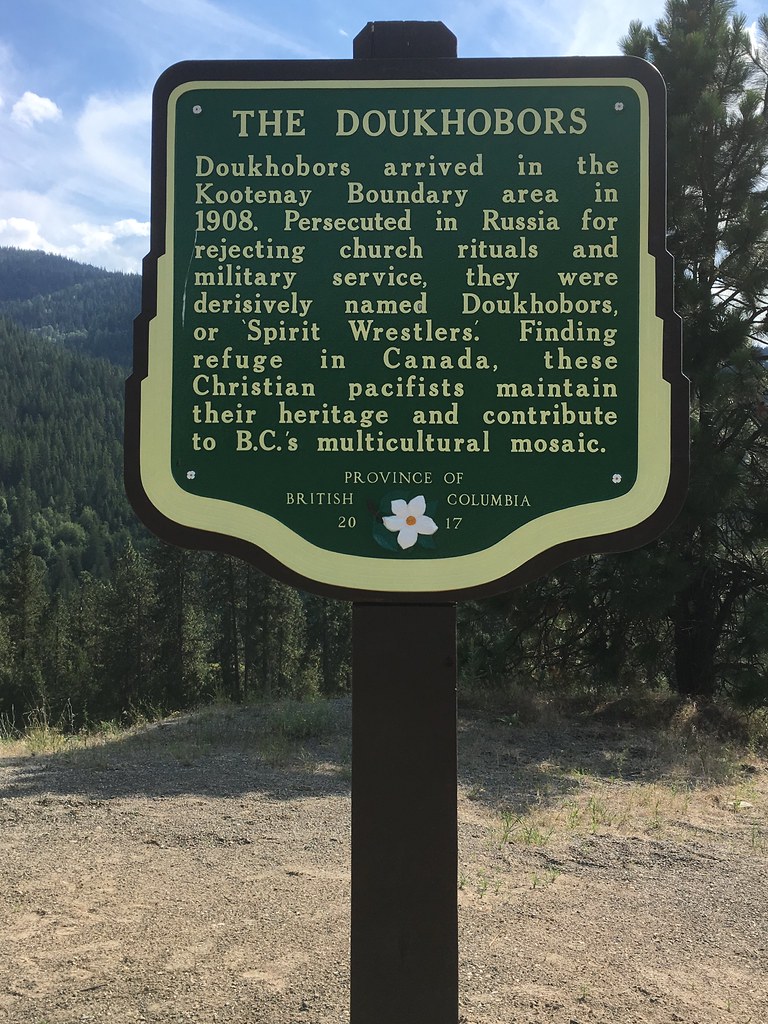
A peaceful Russian spiritual community that settled in Canada in the early 1900s. They practice pacifism and communal living, and reject modern technological conveniences. Their unique lifestyle involves growing their own food, living in close-knit communities, and maintaining traditional crafts and practices. The Doukhobors continue to preserve their cultural heritage in small urban pockets across British Columbia.
Hutterite Communities in Prairie Cities

Germanic religious groups are known for their communal agricultural lifestyle and rejection of modern technology. They live in colonies that operate like small, self-sufficient societies with strict religious teachings. Hutterite communities maintain their traditional dress, speak their own dialect, and practice collective economic models. Despite living near urban centers, they maintain significant separation from mainstream society.
Mennonite Underground Networks
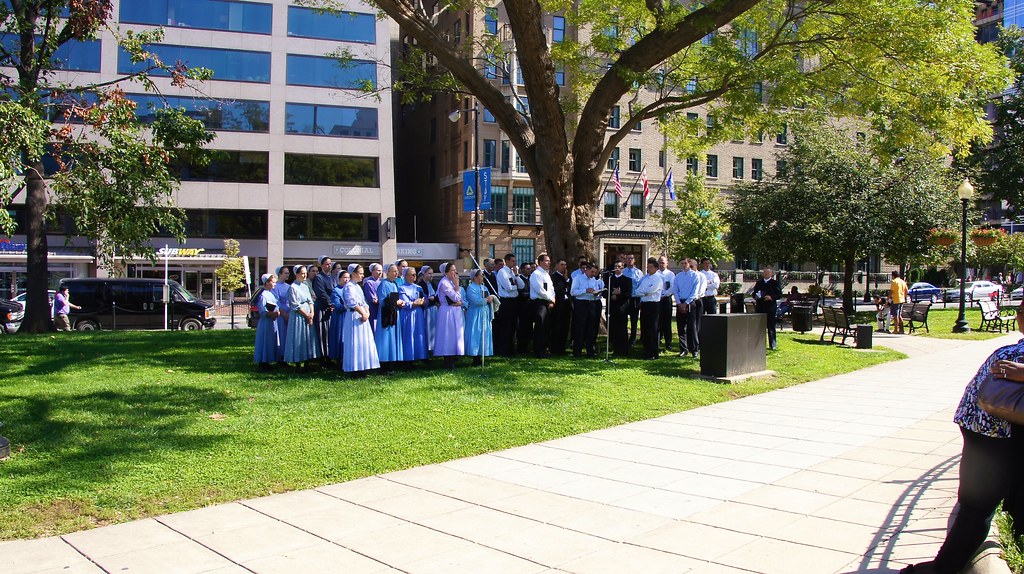
A Christian group with roots in European Anabaptist movements, maintaining traditional practices in Canadian urban settings. They operate small businesses, support networks, and educational institutions that preserve their cultural and religious identity. Mennonite communities often blend religious observance with practical economic strategies. Their networks span multiple Canadian cities, creating invisible support systems.
Coptic Orthodox Hidden Congregations

Egyptian Christian communities practice their ancient religious traditions in Canadian urban environments. These groups maintain strong connections to their original cultural heritage while integrating into Canadian society. Their religious practices involve intricate liturgical traditions, unique theological interpretations, and rich cultural ceremonies. Coptic Orthodox communities often gather in discrete locations to preserve their spiritual practices.
Ismaili Muslim Spiritual Circles

Ismaili Muslims are a progressive Islamic sect that strongly emphasizes education, community service, and spiritual development. They have established quiet but influential networks in Canadian cities, focusing on social welfare and intellectual growth. Their spiritual leader, the Aga Khan, encourages interfaith dialogue and community engagement. These communities maintain a low profile while contributing significantly to urban social landscapes.
Jewish Hasidic Enclaves

Ultra-Orthodox Jewish communities maintain strict religious practices in urban Canadian neighborhoods. They live according to ancient religious laws, dress in traditional clothing, and maintain extensive internal social networks. Hasidic communities prioritize religious education, large families, and the preservation of cultural traditions. Their neighborhoods function like small, self-contained spiritual ecosystems.
Sikh Mystical Orders

Spiritual groups within the Sikh community focus on meditation, inner transformation, and esoteric practices. These orders go beyond traditional Gurdwara-based religious practices, exploring deeper spiritual dimensions. Members often engage in intensive meditation techniques, mystical interpretations of Sikh scriptures, and personal spiritual journeys. Their practices remain largely hidden from mainstream religious observance.
Sufi Islamic Brotherhoods

Mystical Islamic groups practice spiritual traditions that emphasize inner transformation and direct spiritual experience. These brotherhoods focus on meditation, poetry, music, and philosophical exploration of Islamic spirituality. Their practices often differ significantly from mainstream Islamic interpretations. Sufi communities maintain discrete networks across Canadian urban centers.
Baha’i Faith Study Circles
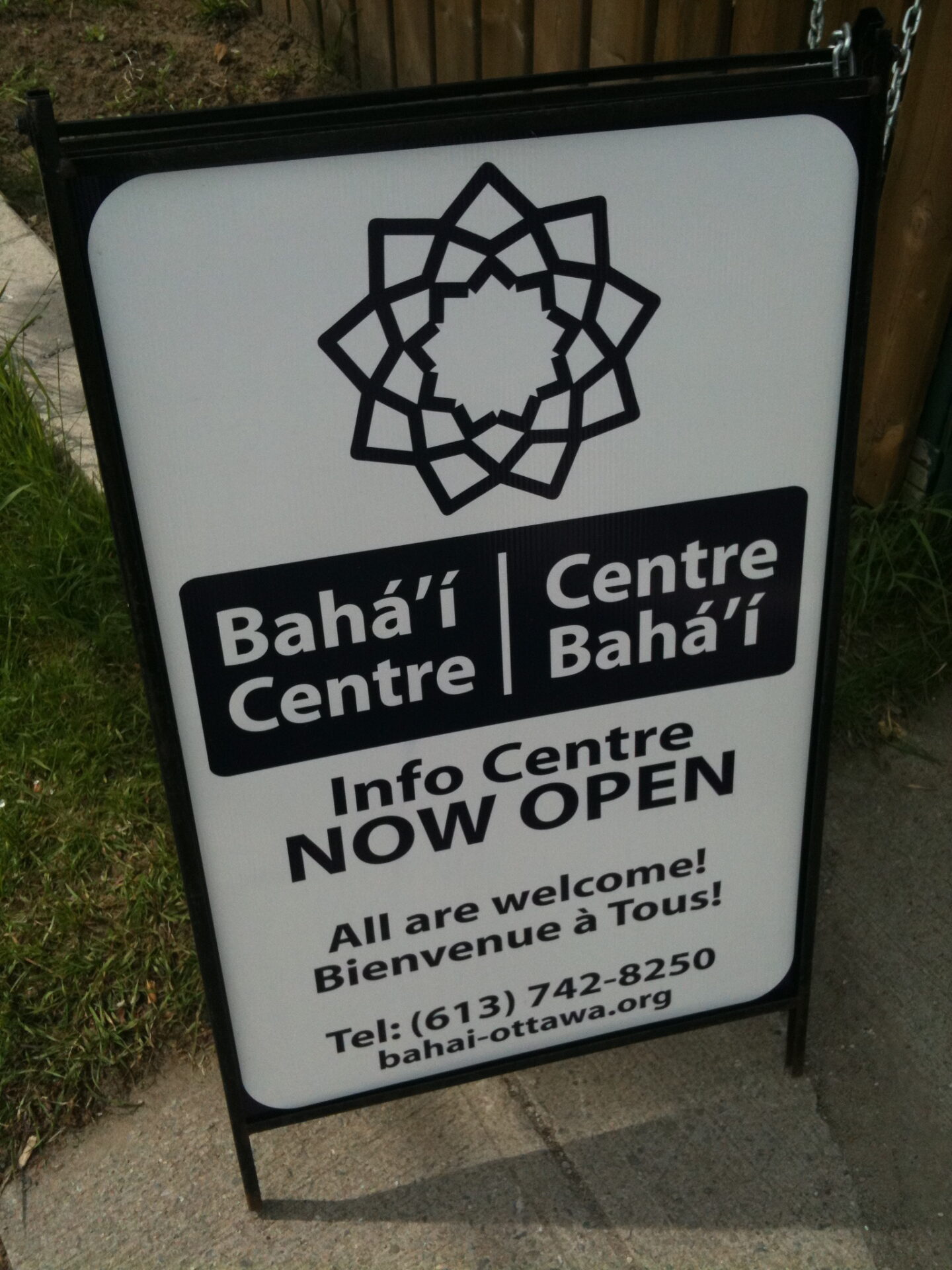
A global religious community promoting unity, spiritual growth, and interfaith understanding. Baha’i study circles operate as small, decentralized learning groups focusing on personal and collective spiritual development. They emphasize education, social transformation, and progressive spiritual understanding. These groups maintain a subtle presence in Canadian cities.
Tibetan Buddhist Meditation Communities

Small groups of practitioners dedicated to advanced meditation techniques and Buddhist philosophical studies. These communities often include both Western converts and immigrant practitioners from Tibetan backgrounds. They maintain sophisticated meditation practices, study ancient texts, and explore complex philosophical concepts. Their activities remain largely invisible to mainstream society.
Indigenous Spiritual Revitalization Groups

Urban Indigenous communities reconnect with traditional spiritual practices and healing traditions. These groups focus on cultural preservation, spiritual healing, and community restoration. They often combine traditional ceremonies with contemporary social activism. Their spiritual practices represent resistance and cultural renewal.
Druze Spiritual Networks

A secretive religious minority with ancient Middle Eastern roots, maintaining complex spiritual traditions. Druze communities practice a unique monotheistic faith with elements of mysticism and philosophical depth. They maintain strict internal social codes and preserve their cultural identity. Their urban networks remain largely invisible to outsiders.
Rastafari Community Spiritual Centers

Jamaican-origin spiritual communities practicing holistic approaches to religion, lifestyle, and social consciousness. These groups combine spiritual practices with cultural resistance and personal transformation. Rastafari communities emphasize natural living, spiritual awareness, and social justice. Their urban networks provide support and cultural preservation.
21 Things That Were Once Great – But Are Now Lost

21 Things That Were Once Great – But Are Now Lost
The Best Winter Activities in Each Canadian Province