
Canada’s real estate boom isn’t everywhere. Certain neighborhoods are seeing dramatic drops in home values due to job losses, industry shutdowns, and economic shifts.
These declining markets offer opportunities for smart buyers while challenging current homeowners. Here’s where property values are falling hardest.
Fort McMurray, Alberta

Boom-bust cycles have absolutely devastated this Alberta oil town, with property values dropping a massive 30% since their 2014 peak. When crude oil prices crash, workers pack up and leave town quickly, abandoning homes and creating a flood of properties nobody wants to buy.
The devastating 2016 wildfire that destroyed thousands of homes made an already difficult situation much worse for the community. Today, many homeowners find themselves underwater, owing significantly more on their mortgages than their houses are actually worth in the current market.
Thompson, Manitoba
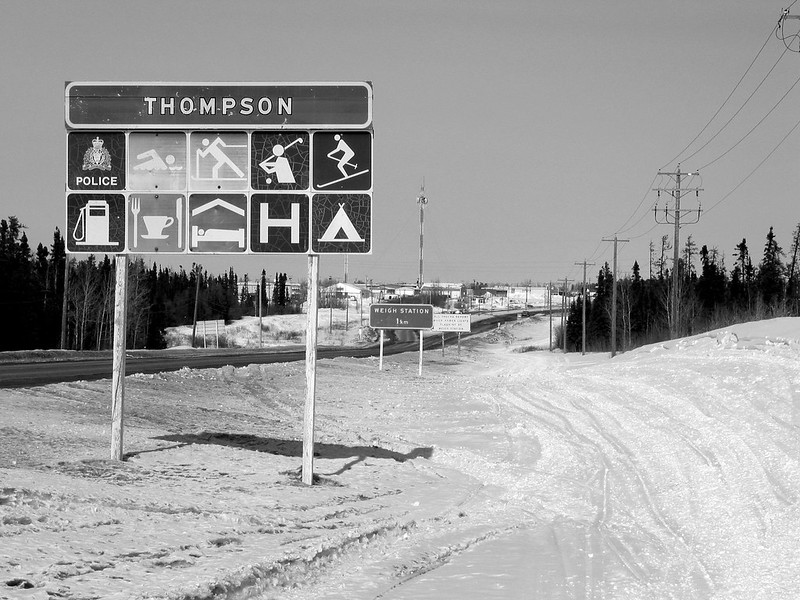
Thompson is a mining town that has struggled as the nickel industry faces global competition. Vale, the major employer in the area, has cut jobs and reduced operations over the past few years. This has led to people moving away to find work elsewhere. The town’s remote location makes it difficult to attract new businesses or industries.
Home prices have fallen by about 25% since 2018. Many properties are taking months to sell, and some homeowners have simply walked away from their mortgages. The rental market is oversupplied, with vacancy rates climbing above 20%. Local leaders are working to diversify the economy, but progress has been slow.
Kitimat, British Columbia

Aluminum smelting layoffs at the massive Rio Tinto plant crushed employment hopes for this northern BC community that was built around heavy industry. Several major LNG projects that were supposed to bring thousands of jobs were either cancelled or indefinitely delayed, despite the town investing millions in new infrastructure to support them.
Property values have fallen by approximately 20% over the past three years as workers relocate to find stable employment elsewhere. Some homes now sit on the market for over a year without finding buyers, creating a really tough situation for anyone trying to sell.
Sydney, Nova Scotia

Sydney has faced economic challenges since the closure of its steel plant and coal mines decades ago. While the city has worked to reinvent itself, job opportunities remain limited compared to Halifax and other Maritime centers. Many young people leave for better opportunities elsewhere. The population has been declining slowly but steadily, putting downward pressure on housing demand.
Home values have decreased by about 15% since 2020. Properties are staying on the market longer, and sellers often have to reduce their asking prices multiple times. The rental market shows high vacancy rates, particularly in older apartment buildings. Economic development efforts are ongoing, but progress has been gradual in creating new employment opportunities.
Windsor, Ontario (select areas)
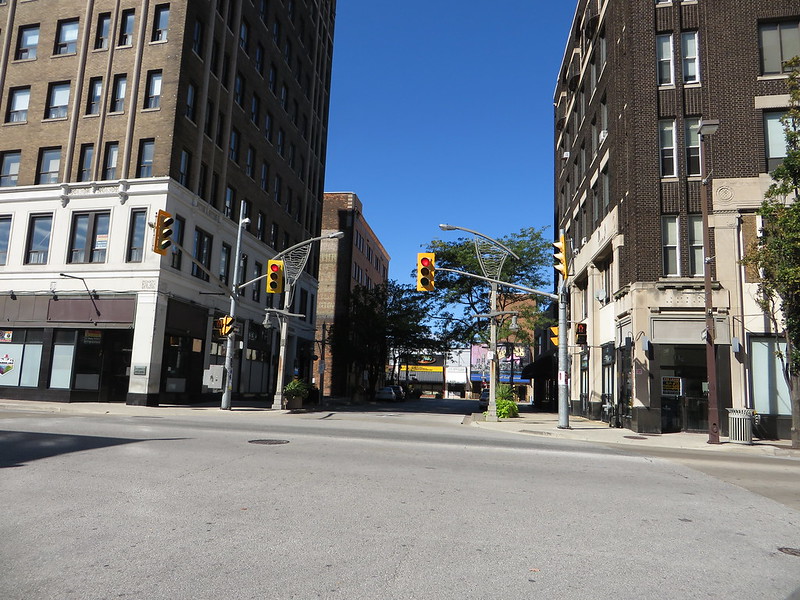
The auto industry decline has hit specific neighborhoods that were heavily dependent on factory jobs the hardest, while other parts of the city remain relatively stable. Population loss as people move to Toronto for work, combined with cross-border shopping competition from Detroit, has really hurt certain residential areas near former industrial sites.
Some neighborhoods have experienced property value declines of 10-18% since their peak, with particular streets showing multiple vacant homes. These empty properties create a negative cycle where remaining homes on the block lose value because buyers get nervous about the area’s future.
Sault Ste. Marie, Ontario

Steel industry uncertainty and forestry sector changes have significantly reduced job stability in this northern Ontario city that has long depended on heavy industry. Algoma Steel has gone through multiple ownership changes and restructuring efforts, creating ongoing employment concerns for workers and their families.
Property values have fallen by roughly 12% over the past four years as young people migrate to larger centers like Toronto for better career opportunities. The city’s remote location limits economic diversification options, making it challenging to replace lost manufacturing jobs.
Corner Brook, Newfoundland
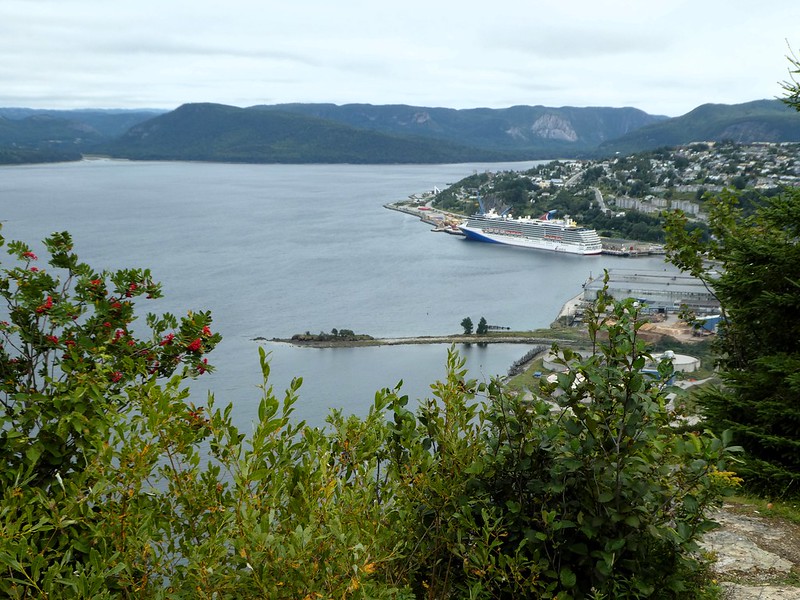
Corner Brook has struggled since the closure of its paper mill, which was a major employer for decades. The forestry industry downturn has affected many related jobs in the region. Population decline has been ongoing as people move to St. John’s or leave the province entirely. The aging population means fewer first-time homebuyers entering the market.
Home prices have dropped by about 16% since 2019. Properties often sit on the market for six months or longer before selling. The rental market has an excess supply, with many landlords reducing rents to attract tenants. Economic development efforts focus on tourism and technology, but job creation has been limited.
Prince George, British Columbia
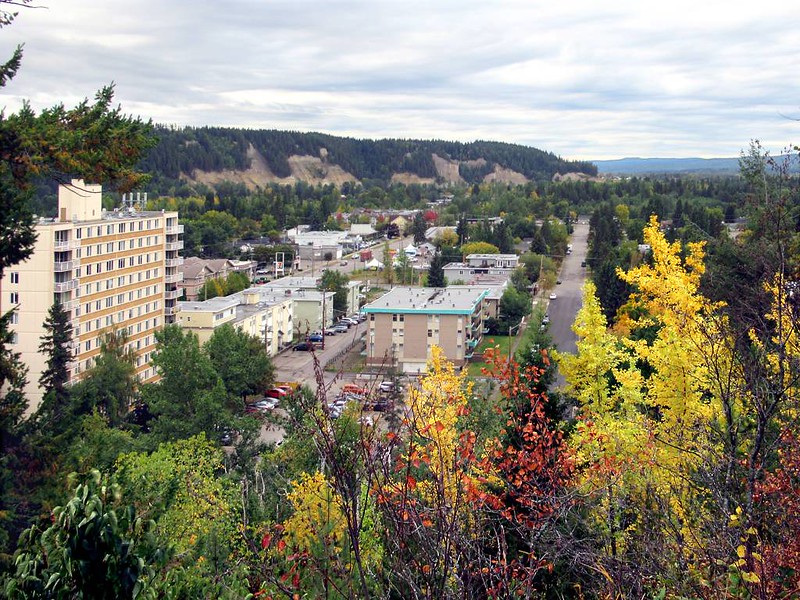
Sawmill closures and beetle-killed timber supplies have hurt this northern BC city that serves as a service center for the broader resource extraction region. Both forestry and mining downturns have significantly reduced economic activity, with several major employers either closing completely or dramatically reducing their operations.
Property values have declined by approximately 14% since their recent peak as housing inventory continues to build up with fewer buyers in the market. Population growth has completely stalled as fewer workers are willing to relocate to the area for jobs that may not last.
Elliot Lake, Ontario
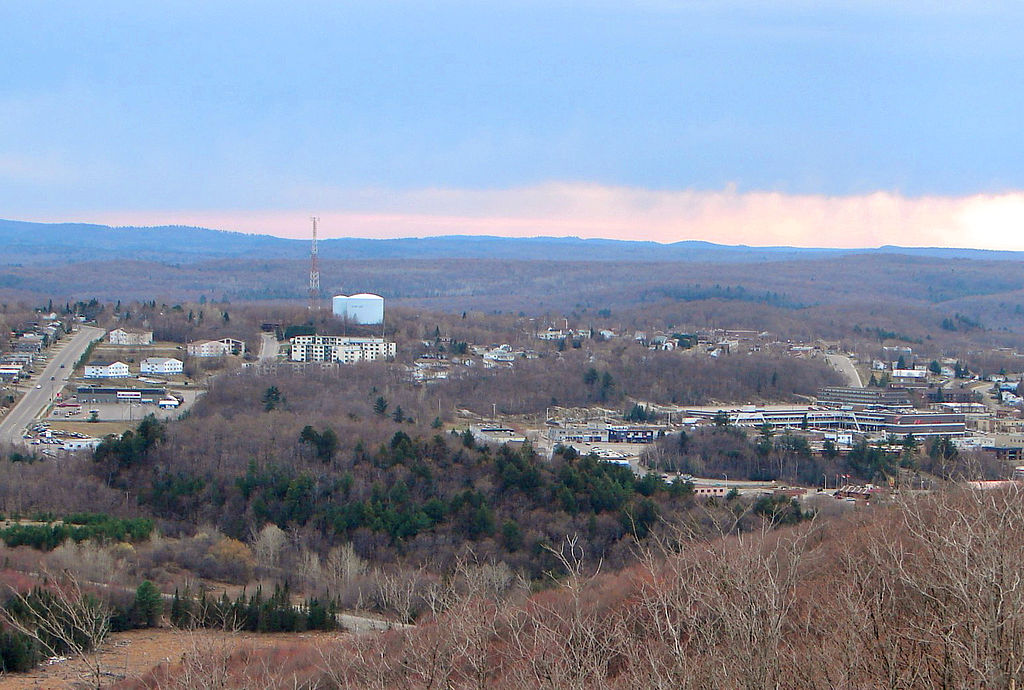
Retirement community strategy has faced unexpected challenges as the aging population increasingly downsizes their homes or moves to assisted living facilities in larger centers. Limited employment opportunities make it extremely difficult for younger families to move into the area, creating a demographic imbalance that hurts housing demand.
Home values have decreased by a significant 22% over the past five years, with many properties selling well below their original purchase prices from the early 2000s. The town’s remote location in northern Ontario limits its appeal to potential new residents who might help stabilize the housing market.
Timmins, Ontario

Timmins has struggled with the cyclical nature of gold mining and reduced activity in the forestry sector. While gold prices have been strong, automation has reduced employment at local mines. The city’s population has been slowly declining as young people leave for opportunities in southern Ontario. Harsh winters and remote location make it challenging to attract new residents.
Property values have fallen by roughly 13% since 2020. Homes often require price reductions to attract buyers in the current market. The rental market shows increasing vacancy rates, particularly in older apartment complexes. Economic development efforts focus on mining technology and northern services, but job growth has been modest.
Bathurst, New Brunswick

Resource industry dependence proved costly when both mining and forestry sectors faced major downturns that eliminated thousands of local jobs. The closure of several major employers led to significant job losses and triggered substantial population decline as families moved away.
Home prices have dropped by about 18% over the past three years, with properties frequently staying on the market for extended periods before selling below asking prices. Young people are migrating to larger Maritime cities like Halifax or heading west to Alberta for better employment opportunities.
Kapuskasing, Ontario
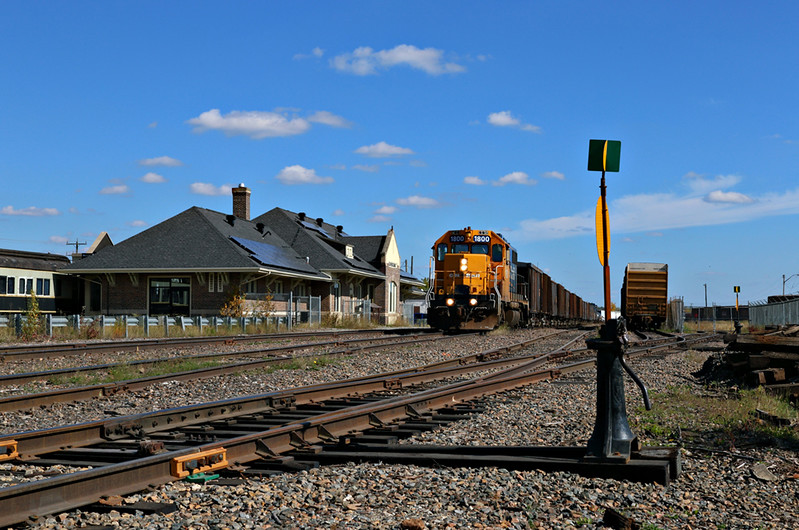
Pulp and paper industry changes have affected the local mill through multiple ownership shifts and production cuts that created economic uncertainty throughout the community. This northern Ontario town struggles with limited economic diversification options beyond traditional resource extraction industries.
Property values have decreased by approximately 20% since their 2017 peak, with many homes now selling for significantly less than their assessed values. The population continues shrinking as families move to areas with more stable, long-term employment prospects.
Terrace, British Columbia
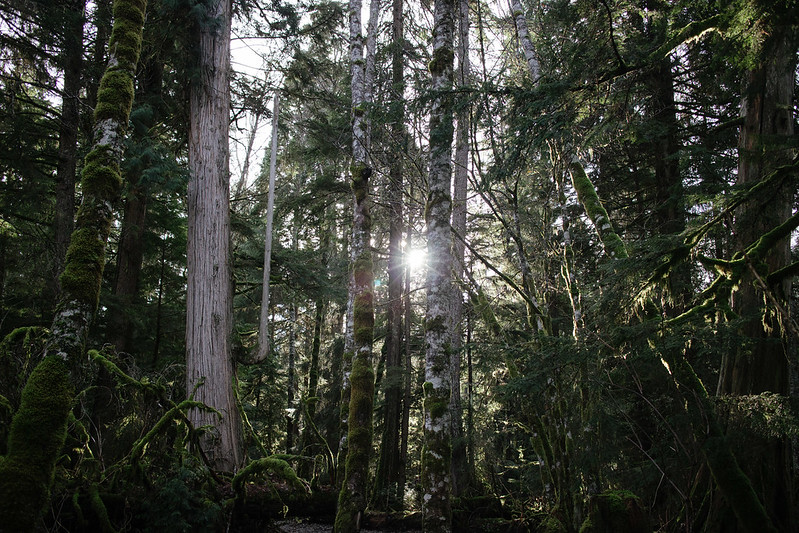
Terrace has faced challenges from downturns in both the forestry and aluminum smelting industries. Job losses at major employers have led to out-migration as workers seek opportunities elsewhere. The town’s economy lacks diversification beyond natural resource extraction. Population decline has put downward pressure on housing demand.
Home values have fallen by about 17% over the past four years. The housing market has become sluggish, with properties taking much longer to sell than in the past. Rental vacancy rates have climbed as fewer workers relocate to the area. Economic development initiatives are focusing on tourism and small business growth.
Flin Flon, Manitoba

The mine closure in 2022 completely devastated this unique border community when Hudbay Minerals shut down the copper-zinc operation that had been the economic foundation for decades. The closure eliminated hundreds of well-paying jobs virtually overnight, forcing many mining families to relocate to find similar work elsewhere.
Property values have crashed by over 35% since the closure announcement, with many homes now worth less than half their previous market values. The town’s remote location straddling the Manitoba-Saskatchewan border, combined with highly specialized mining infrastructure, presents enormous challenges for economic transition efforts.
Most protected neighborhoods in Canada

Safety and security rank among the top priorities for Canadian homeowners and renters.
