Canada and the United States share the longest border in the world, but that doesn’t mean we always speak the same language. While both countries use English as their primary language, Canadians have developed their own unique expressions that can leave American visitors scratching their heads.
The beauty of Canadian expressions lies in their practicality and charm. Many of these phrases came from Canada’s history, climate, and cultural influences that shaped the nation. Some expressions reflect the country’s French heritage, while others developed naturally through years of Canadian innovation and everyday life.
Eh?

This tiny word might be Canada’s most famous export after maple syrup and hockey. Canadians use “eh” at the end of sentences to turn statements into questions or to seek agreement from the person they’re talking with. It’s like saying “right?” or “don’t you think?” but with a distinctly Canadian flair.
Americans often think Canadians say “eh” after every sentence, but it’s actually used more strategically to create connection and confirm understanding in conversations.
Double-Double
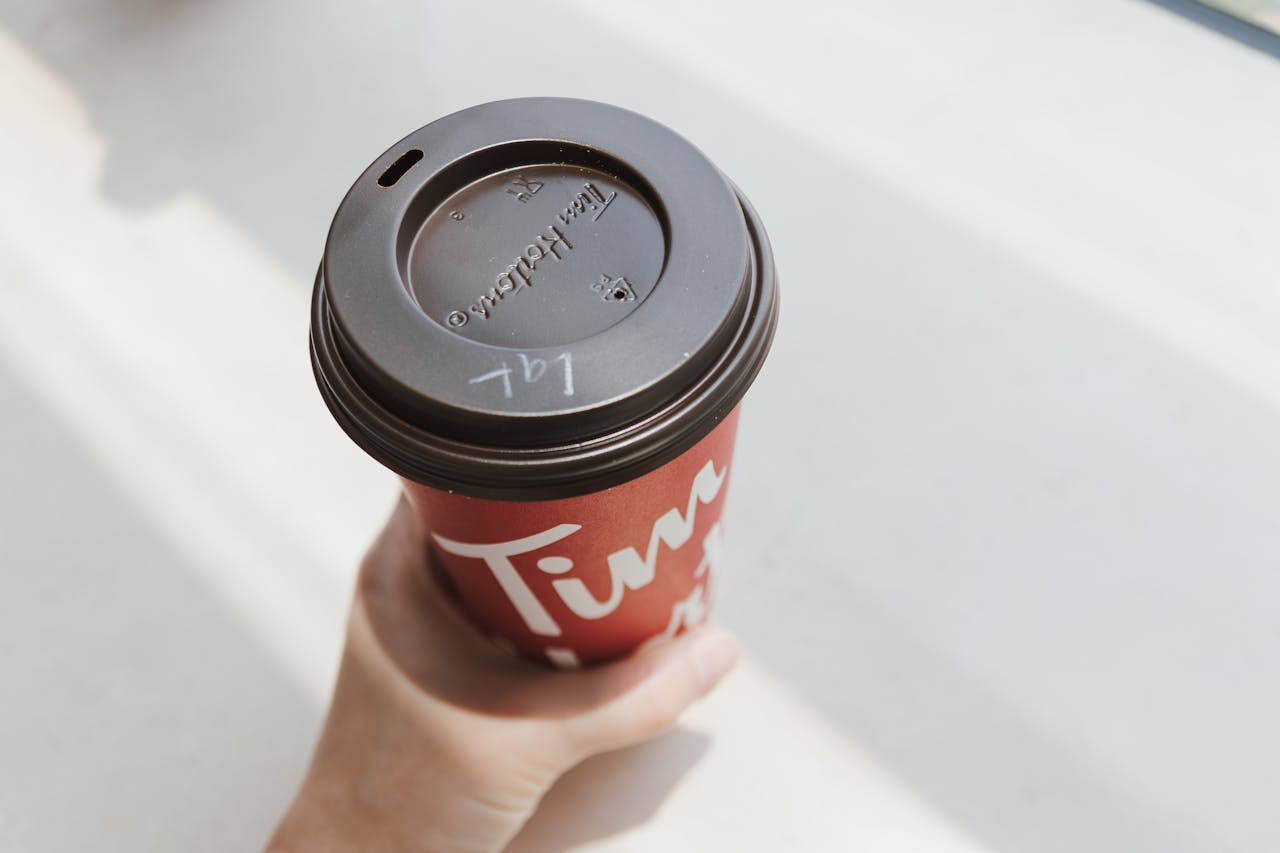
Walk into any Tim Hortons and order a double-double, and you’ll get a coffee with two creams and two sugars. This expression is so Canadian that it’s become part of the country’s cultural identity. The term originated from Canada’s beloved coffee chain and spread throughout the nation as the standard way to order a coffee with cream and sugar.
Americans visiting Canada often look confused when they hear this phrase, expecting some kind of burger or sandwich instead of a simple coffee order.
Toque

While Americans call it a beanie or winter hat, Canadians have always called this essential winter gear a toque. The word comes from the French “toque,” which originally referred to a chef’s hat.
Canadian winters make the toque more than just an accessory—it’s survival equipment that every Canadian owns in multiple colors and styles. Americans often mispronounce it as “toke” instead of the correct “took,” which can lead to some amusing misunderstandings.
Loonie and Toonie
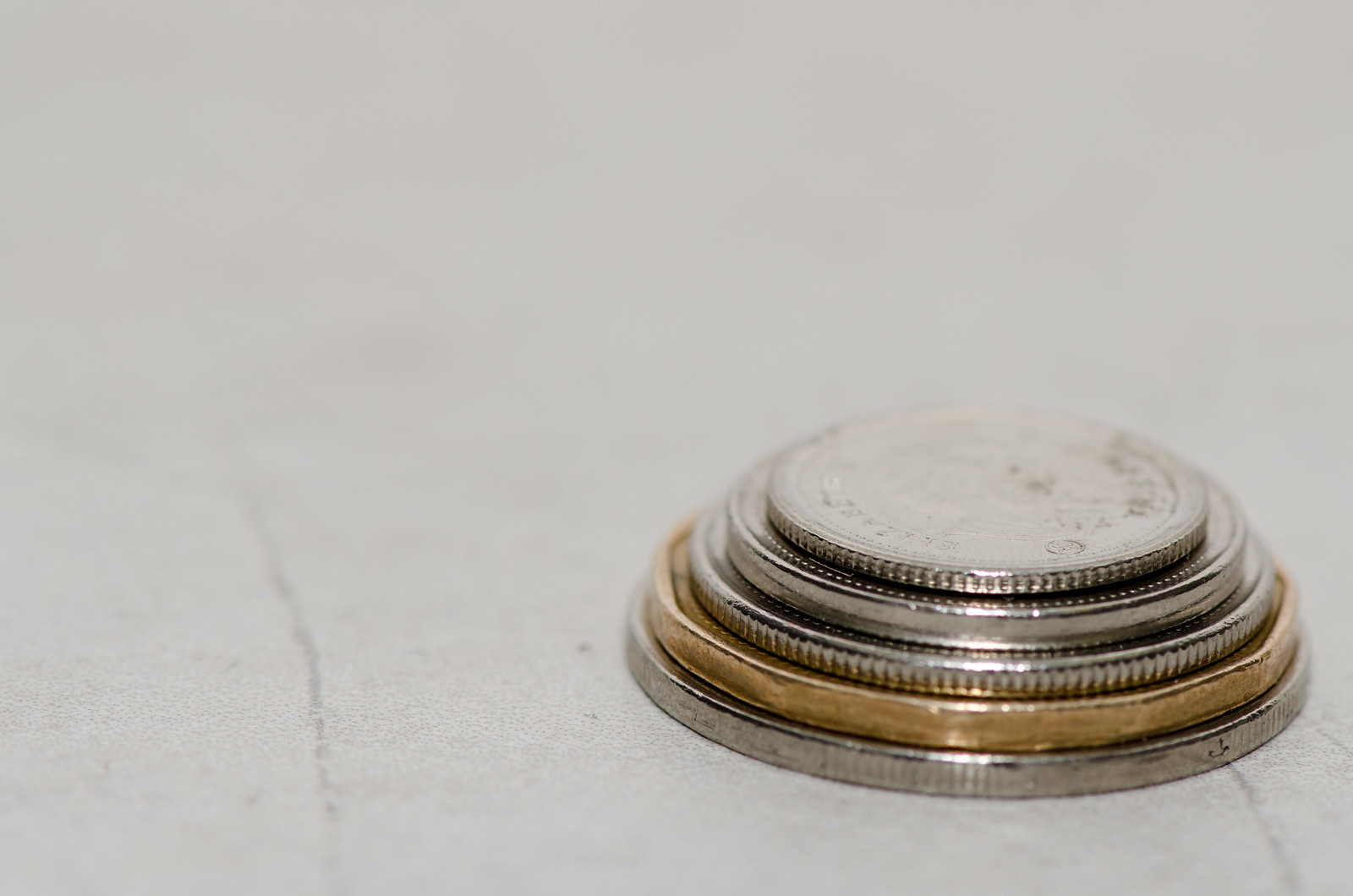
Canada’s one-dollar coin features a loon, so Canadians naturally started calling it a “loonie.” When the two-dollar coin was introduced, it became the “toonie”—a playful combination of “two” and “loonie.”
These nicknames are used so commonly that many Canadians forget they’re not official currency names. Americans are often surprised to learn that Canada eliminated their one and two-dollar bills years ago in favor of these distinctive coins.
Chesterfield

Most Americans would call it a sofa or couch, but many Canadians, especially older generations, still refer to this piece of furniture as a chesterfield. The term comes from a type of overstuffed sofa that was popular in the early 20th century.
While younger Canadians might say “couch” or “sofa,” the word Chesterfield remains deeply embedded in Canadian vocabulary. Americans visiting Canadian homes often need a moment to figure out what furniture they’re being invited to sit on.
Parkade

When Canadians need to park their car in a multi-level structure, they head to the parkade. Americans know this same building as a parking garage, but Canadians created their own term by combining “park” and “arcade.”
The word parkade perfectly describes these concrete structures that are common in Canadian cities. Americans often think Canadians are talking about some kind of gaming arcade when they first hear this word.
Pop
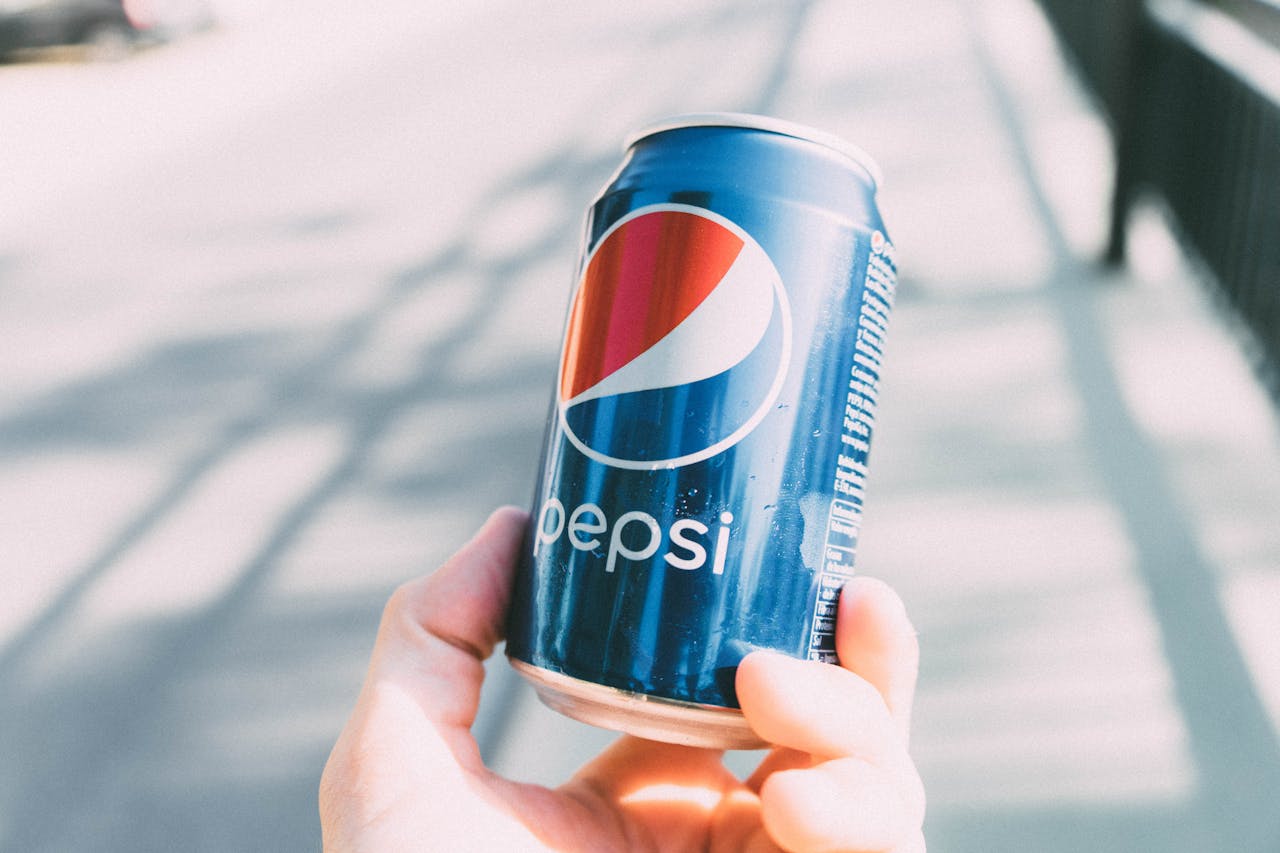
While Americans reach for a soda, Canadians grab a pop when they want a carbonated soft drink. This regional difference causes confusion at restaurants and stores when Americans visit Canada.
The word “pop” comes from the popping sound that carbonated drinks make when opened. Canadians use this term so naturally that they often forget it’s not universal, leading to puzzled looks from American visitors who aren’t sure what beverage they’re being offered.
Serviette

Canadians call that square piece of paper you use to wipe your mouth a serviette, while Americans call it a napkin. This word comes from the French influence on Canadian English and is used throughout the country.
Canadian restaurants and homes stock serviettes on their tables, and the word appears on packaging and menus across the nation. Americans often need to ask for clarification when Canadians offer them a serviette during meals.
Hydro
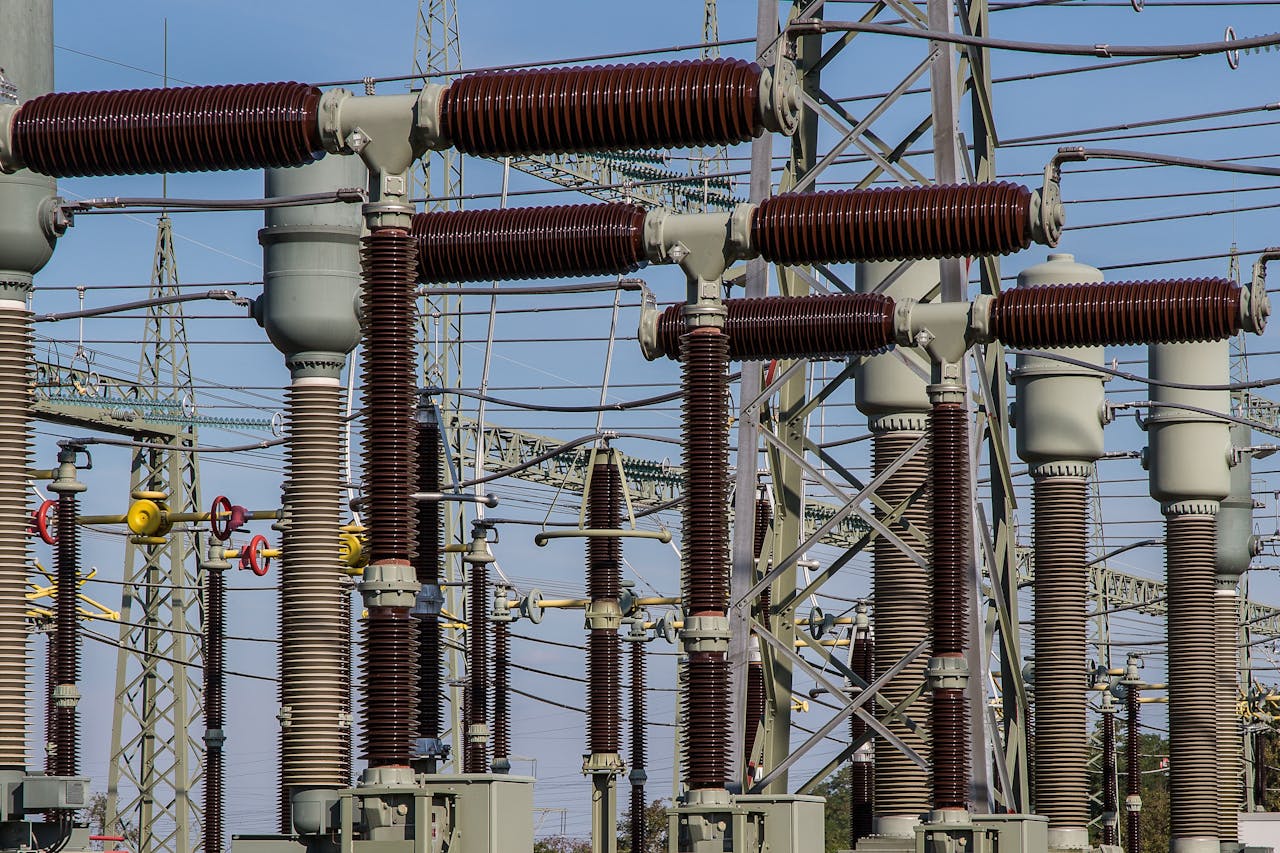
In most of Canada, your electricity bill comes from “hydro,” even if the power doesn’t come from hydroelectric sources. This term stuck because much of Canada’s early electricity was generated by water power, and the name never changed.
Canadians talk about paying their hydro bill or having the hydro go out during storms. Americans find this confusing because they associate “hydro” specifically with water, not electricity in general.
Washroom

When nature calls in Canada, you look for the washroom, not the bathroom or restroom. Canadians use this term in both public and private settings, making it a truly national expression.
The word “washroom” is considered more polite and formal than other alternatives, fitting Canada’s reputation for politeness. Americans often search for “bathroom” signs in Canadian establishments, not realizing they should be looking for “washroom” instead.
Eavestrough
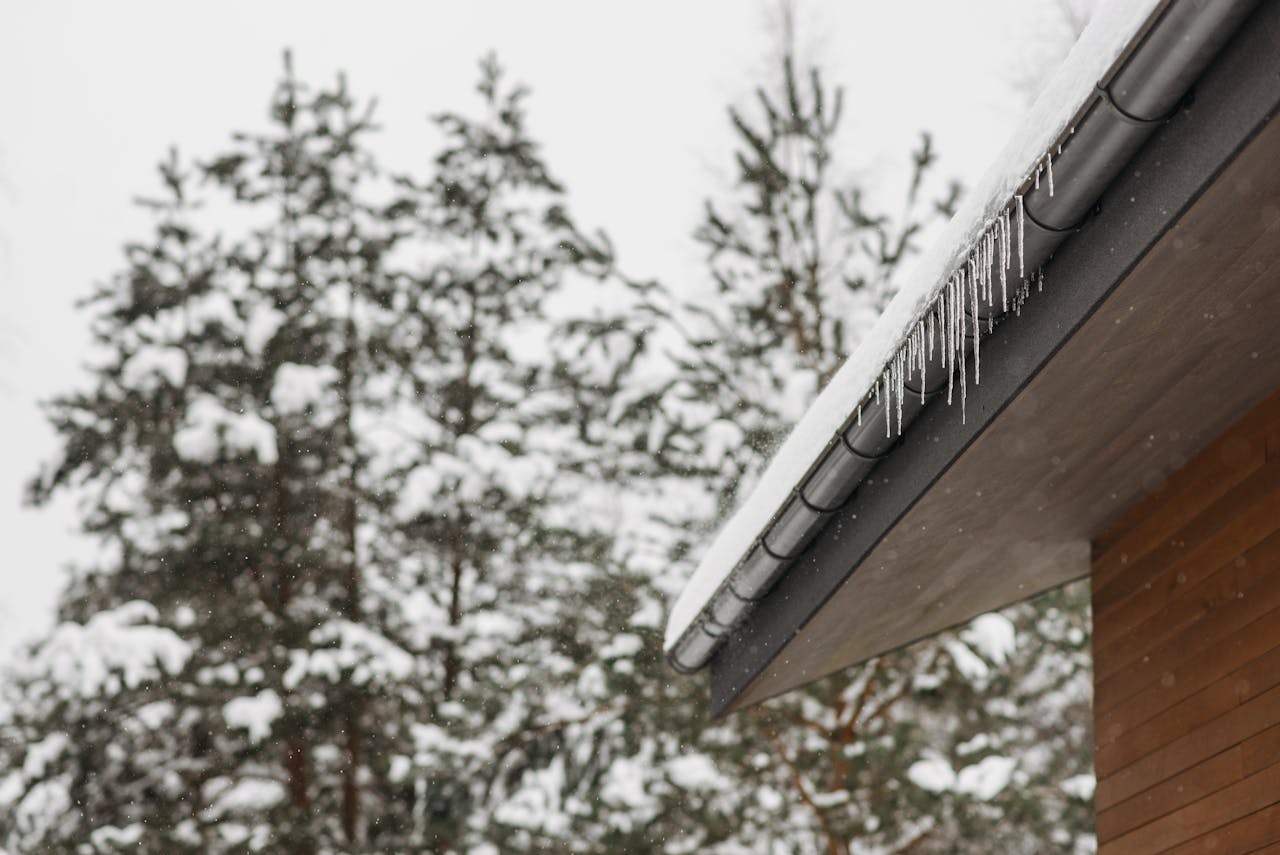
The metal channels that collect rainwater from Canadian roofs are called eavestroughs, not gutters like in America. This distinctly Canadian term describes the same functional item but with a completely different name.
Canadian hardware stores sell eavestrough supplies, and contractors talk about cleaning and repairing eavestroughs. Americans visiting Canadian home improvement stores often need help finding eavestrough materials because they’re searching for gutters.
Pencil Crayon

Canadian children color with pencil crayons, while American kids use colored pencils for the same activity. This term flips the typical American order of words and creates a uniquely Canadian expression.
Canadian schools supply pencil crayons for art projects, and parents shop for pencil crayon sets before the school year starts. Americans often pause when they hear this term, needing a moment to understand what art supply is being discussed.
Keener

A keener is someone who’s overly eager or enthusiastic, especially in school or work settings. This Canadian slang describes the student who always raises their hand first or the employee who volunteers for every project.
The word carries a slightly negative connotation, suggesting someone is trying too hard to impress. Americans don’t have an exact equivalent for this term, though they might call someone a “teacher’s pet” or “brown-noser” in similar situations.
Runners

Canadians lace up their runners to go for a jog, while Americans put on sneakers or tennis shoes. This term is used across Canada for any casual athletic shoe, regardless of whether you actually run in them.
Canadian stores have entire sections dedicated to runners, and people wear their runners for everything from grocery shopping to casual walks. Americans often need clarification when Canadians mention putting on their runners for various activities.
Garburator
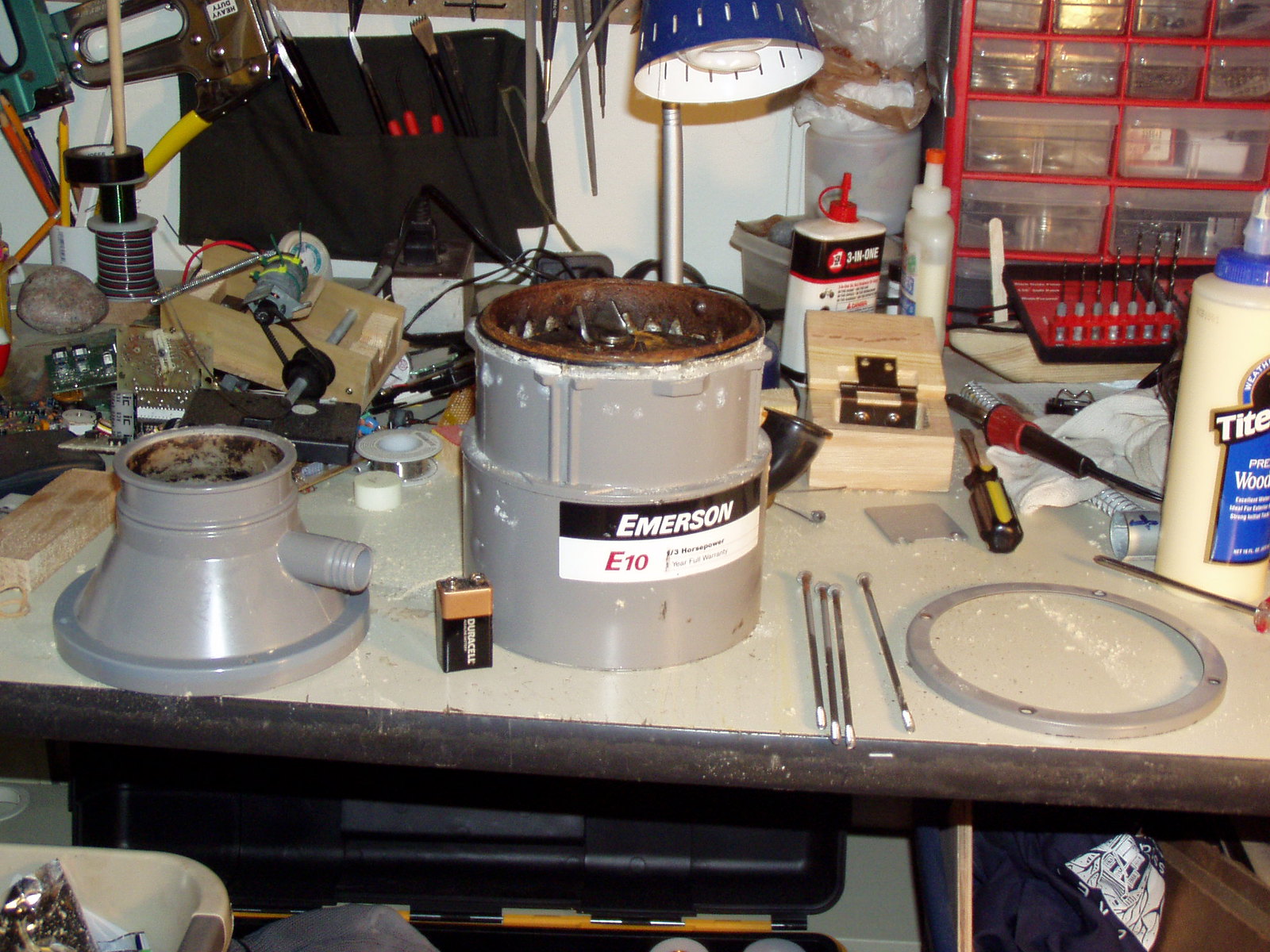
The device that grinds up food scraps in the kitchen sink is called a garburator in Canada, not a garbage disposal like in America. This Canadian term combines “garbage” and possibly “rator” (like carburetor) to create a distinctly Canadian word.
Many Canadian homes have garburators installed under their kitchen sinks for convenient food waste disposal. Americans visiting Canadian homes often don’t know what appliance Canadians are referring to when they mention using the garburator.
Follow us for daily interesting and exclusive Canadian content.
15 Words That Exist in Other Languages But Not English