
Canadians love claiming certain foods as their own, and for good reason. The country has created some incredible dishes that represent its rich cultural mix. But some of those “homegrown” favorites actually started somewhere else entirely.
Turns out, many beloved foods are culinary immigrants that made Canada their new home. They became so woven into daily life that most people never question their true origins. Get ready to have your mind blown by these surprising food facts.
Hawaiian Pizza

Hawaiian pizza might be served in every Canadian pizzeria, but it actually started in Chatham, Ontario, in 1962. Greek-Canadian chef Sam Panopoulos created this controversial combination at his restaurant. He wanted to try something different and added pineapple and ham to a regular pizza. The name “Hawaiian” came from the brand of canned pineapple he used, not because it originated in Hawaii.
Butter Tarts

Butter tarts feel like the most Canadian dessert possible, but they actually have British roots. Early European settlers brought similar tart recipes to Canada in the 1600s. The Canadian version developed over time as settlers adapted their recipes to local ingredients. These sweet treats became popular across the country and evolved into the version Canadians know and love today.
Tourtière
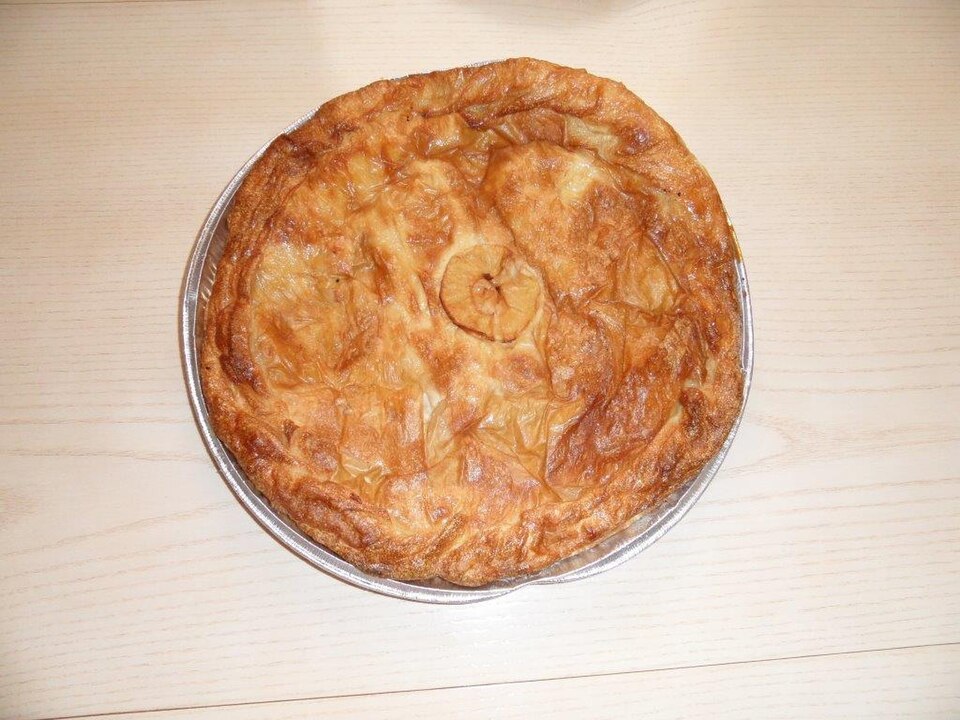
This meat pie is a Christmas tradition in many Canadian homes, especially in Quebec. However, tourtière came from France with early settlers in the 1600s. French colonists brought their pie-making traditions to New France. The dish adapted to Canadian ingredients and tastes over the centuries, becoming a distinctly Canadian-French dish that families still make today.
Montreal-Style Bagels

Despite the name, Montreal bagels trace their origins to Jewish communities in Eastern Europe. Jewish immigrants brought their bagel-making skills to Montreal in the early 1900s. They adapted their traditional recipes to local tastes and ingredients. The result became Montreal’s signature bagel style, which differs from New York bagels in size, sweetness, and cooking method.
Nanaimo Bars

These no-bake chocolate bars are named after Nanaimo, British Columbia, but similar recipes existed elsewhere first. The earliest versions appeared in Australian and British cookbooks in the 1950s. A Nanaimo housewife likely adapted one of these recipes and entered it in a local contest. The treat became associated with the city and spread across Canada from there.
Caesar Cocktail

Garnished with celery and a salted rim, this drink was invented in Calgary, Alberta, but it builds on the Italian Bloody Mary concept. Bartender Walter Chell created it in 1969 at the Westin Hotel. He wanted to make a drink that tasted like spaghetti vongole, his favorite dish. Chell added clam juice to vodka and tomato juice, creating what would become Canada’s national cocktail.
Poutine
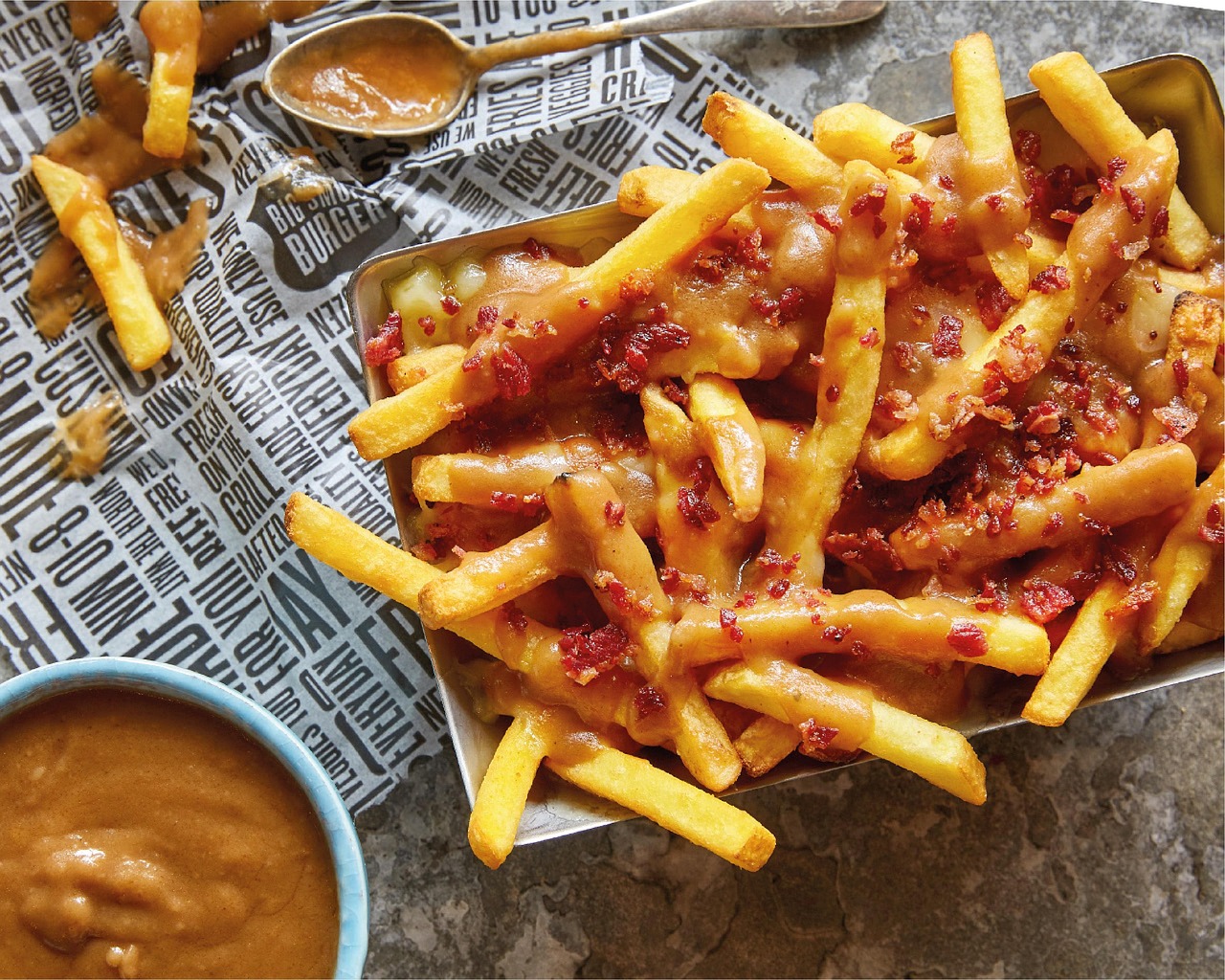
Crispy fries topped with gravy and cheese curds started in Quebec in the 1950s, but the concept of fries with toppings existed elsewhere first. Several Quebec towns claim to have invented it, with the most popular story coming from Warwick.
Restaurant owner Fernand Lachance allegedly created it when a customer asked for cheese curds on their fries. The dish spread throughout Quebec and then across Canada, becoming a national symbol.
Maple Cookies

Shaped like maple leaves, these cookies seem perfectly Canadian, but they’re actually based on European shortbread traditions. Scottish and Irish settlers brought cookie-making techniques to Canada. They began using maple syrup and maple flavoring in their recipes because sugar was expensive. The maple leaf shape was added later to make the cookies more distinctly Canadian.
Split Pea Soup
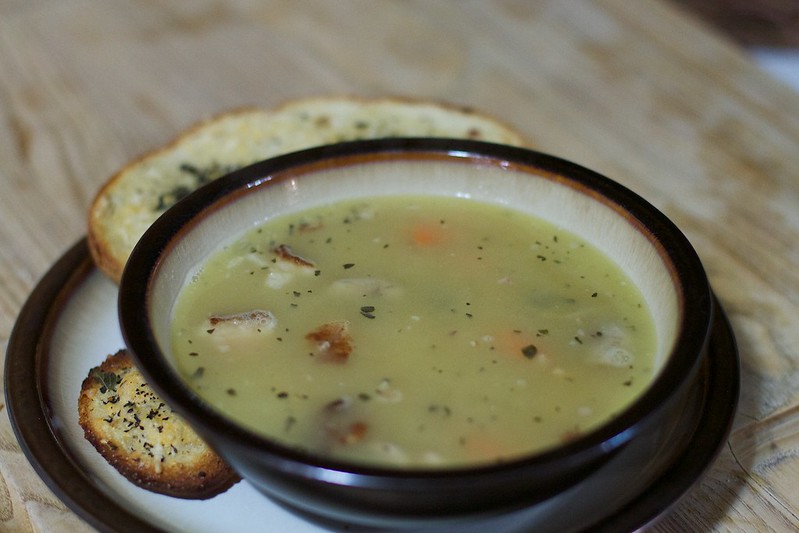
Thick and hearty, this soup is popular across Canada, especially in Quebec, where it’s called “soupe aux pois.” The recipe came from France with early colonists in the 1600s. European peasants had been making similar soups for centuries using dried peas. Canadian cooks adapted the recipe to include local ingredients like salt pork and ham bones.
Bannock Bread

Indigenous peoples across Canada make bannock bread, but it actually came from Scottish settlers. Scottish immigrants brought their oatcake and flatbread recipes to Canada. Indigenous communities adapted these recipes, using local ingredients and cooking methods. The bread became an important food source and spread throughout Indigenous communities across the country.
Donairs

Donairs are hugely popular in Atlantic Canada, especially Nova Scotia, but they originated in the Middle East. Lebanese immigrant Peter Gamoulakos adapted the traditional doner kebab recipe in Halifax during the 1970s. He created a sweeter sauce and used different spices to appeal to local tastes. The donair became so popular in Halifax that it’s now the city’s official food.
Tire d’érable (Maple Taffy)

Poured hot over fresh snow, this maple treat is a Quebec winter tradition, but similar sweets existed in other cold climates first. Indigenous peoples were making maple syrup long before Europeans arrived.
However, the technique of pouring hot maple syrup on snow likely came from European candy-making traditions. French settlers combined their confectionery knowledge with Indigenous maple syrup expertise.
Jiggs Dinner

Served every Sunday in many homes, this traditional meal is beloved in Newfoundland and Labrador, but it came from Ireland and England. British and Irish immigrants brought the concept of boiled dinner to the region. The meal typically includes salt beef or pork with vegetables like cabbage, turnips, and potatoes. Newfoundlanders adapted the recipe to local ingredients and preferences over generations.
Rappie Pie

Popular in Nova Scotia’s Annapolis Valley, this Acadian dish has French origins despite its local fame. Acadian settlers brought similar recipes from France in the 1600s. The dish uses grated potatoes with the starch removed, then mixed with meat broth. French colonists adapted their traditional potato dishes to ingredients available in their new home.
Sugar Pie

Gooey and incredibly sweet, this classic Quebec dessert evolved from French tarte au sucre recipes. French settlers brought their pastry-making skills to New France in the 1600s. They adapted their sugar tart recipes to use maple syrup and other local sweeteners. The pie became a popular way to use maple syrup and satisfy sweet cravings during long winters.
Fiddleheads
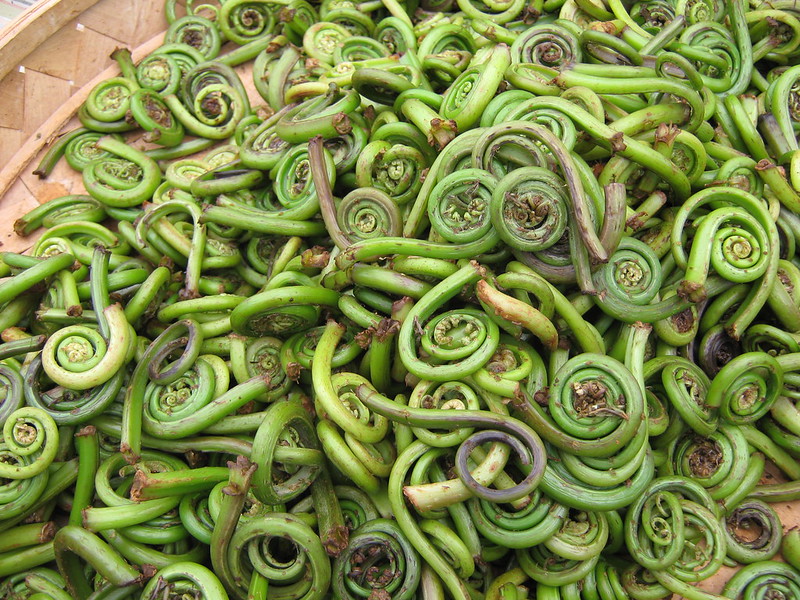
Foraged each spring, these coiled fern tops are considered a Maritime delicacy, but they’re eaten worldwide where they grow. Indigenous peoples across North America harvested fiddleheads long before European arrival. The practice of eating them as a spring vegetable exists in many cultures. Maritimers simply continued a tradition that was already established in their region by Indigenous communities.
Canadian Foods the world tried to copy (But failed)

Canada’s unique food landscape offers treats that have become national treasures, sparking imitation attempts around the globe.
