The world of work is changing faster than ever before. In just the last few years, we’ve seen huge shifts in how and where people do their jobs. But some careers are facing an even bigger change, and they may disappear completely.
In this blog, I highlight 16 jobs that experts think could vanish in the next ten years.
Travel Agent

Travel agents help people plan vacations and book trips. But now, many people use websites to plan their own travel, and online booking sites are often cheaper and easier to use. Travel agents will need to focus on special trips or luxury travel to stay in business.
Cashier

Cashiers take payments in stores and restaurants. Self-checkout machines are becoming more common in many places. These machines let customers scan and pay for items themselves. Stores will keep a few cashiers for help, but many cashier jobs will disappear.
Bank Teller
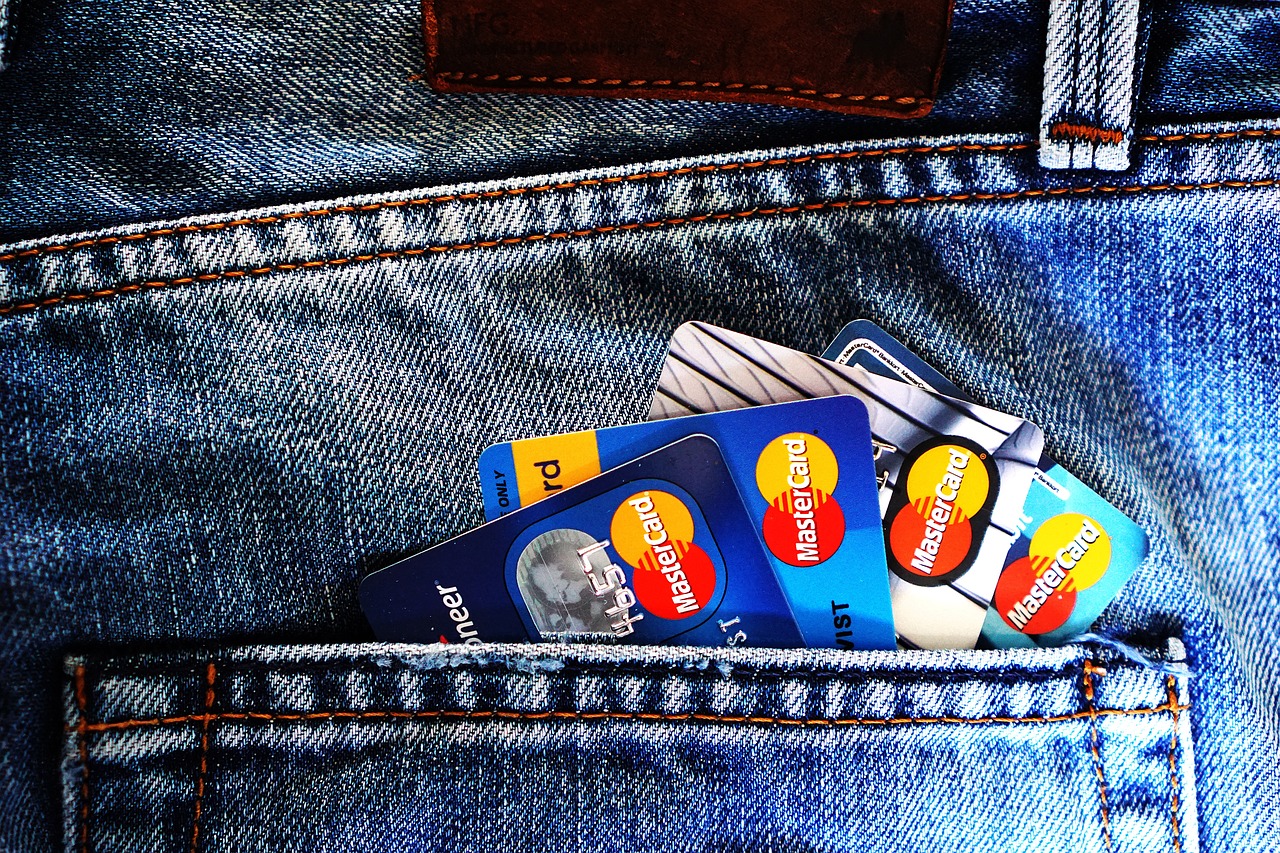
Bank tellers help customers with their money at the bank. Many people now use online banking or ATMs instead of going to a bank. Mobile apps let people deposit checks and transfer money from their phones. Banks may need fewer tellers as more services move online.
Postal Worker
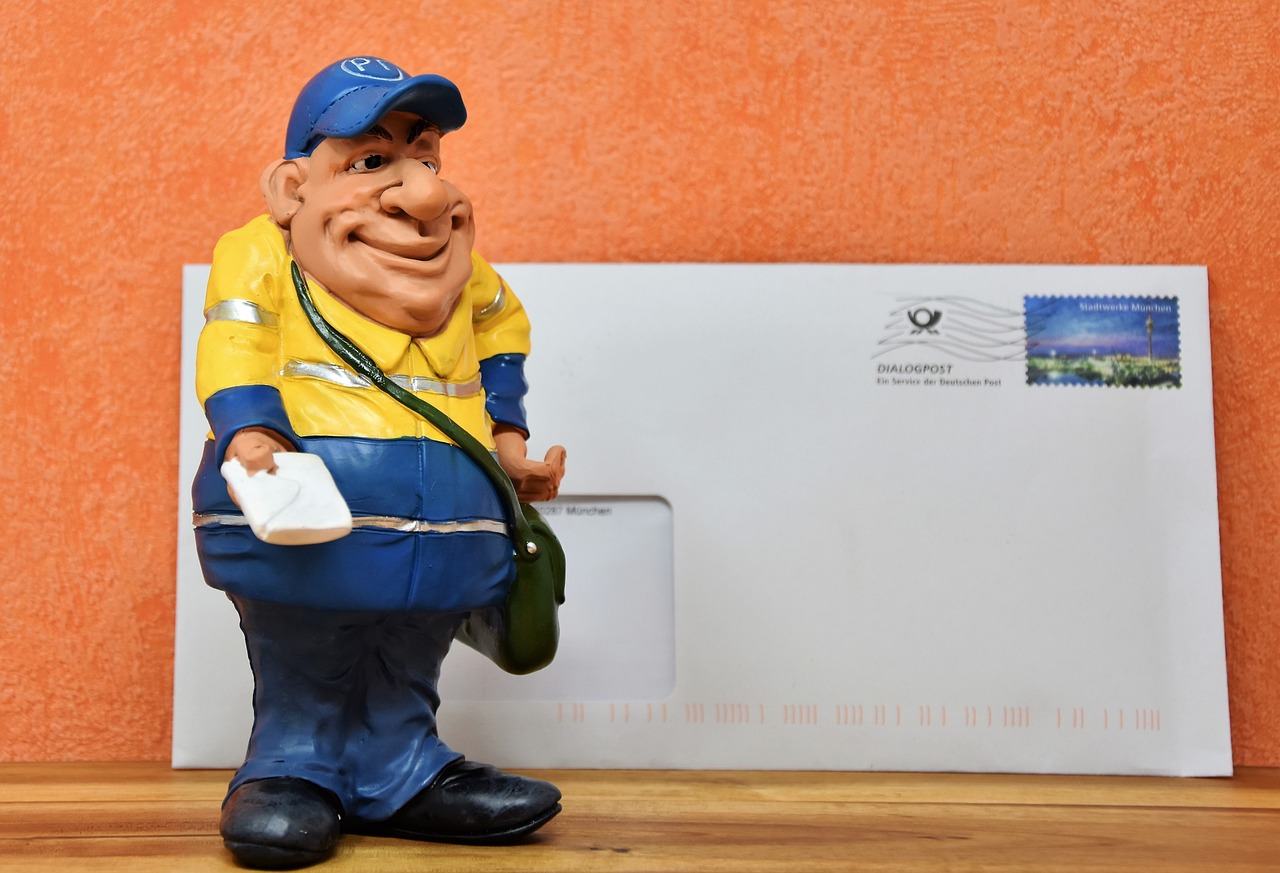
Postal workers deliver letters and packages. Email has replaced many letters, and people send fewer things by mail. Private delivery companies are also competing with postal services. The post office might need fewer workers as mail volume decreases.
Textile Worker

Textile workers make clothes and fabrics, but many factories now use machines to do this work faster and cheaper. Some textile jobs are also moving to countries where labor is less expensive. Workers in this field might need to learn to operate new machines to keep their jobs.
Data Entry Clerk

Data entry clerks type information into computers. New software can now automatically collect and enter data. Some programs can even understand and enter data from pictures of documents. Data entry workers might need to learn more advanced computer skills to stay employed.
Print Journalist

Print journalists write for newspapers and magazines. Many people now read news online instead of in print, and some newspapers are closing or publishing less often. To adapt, journalists might need to learn digital skills such as video editing and social media.
Video Store Clerk
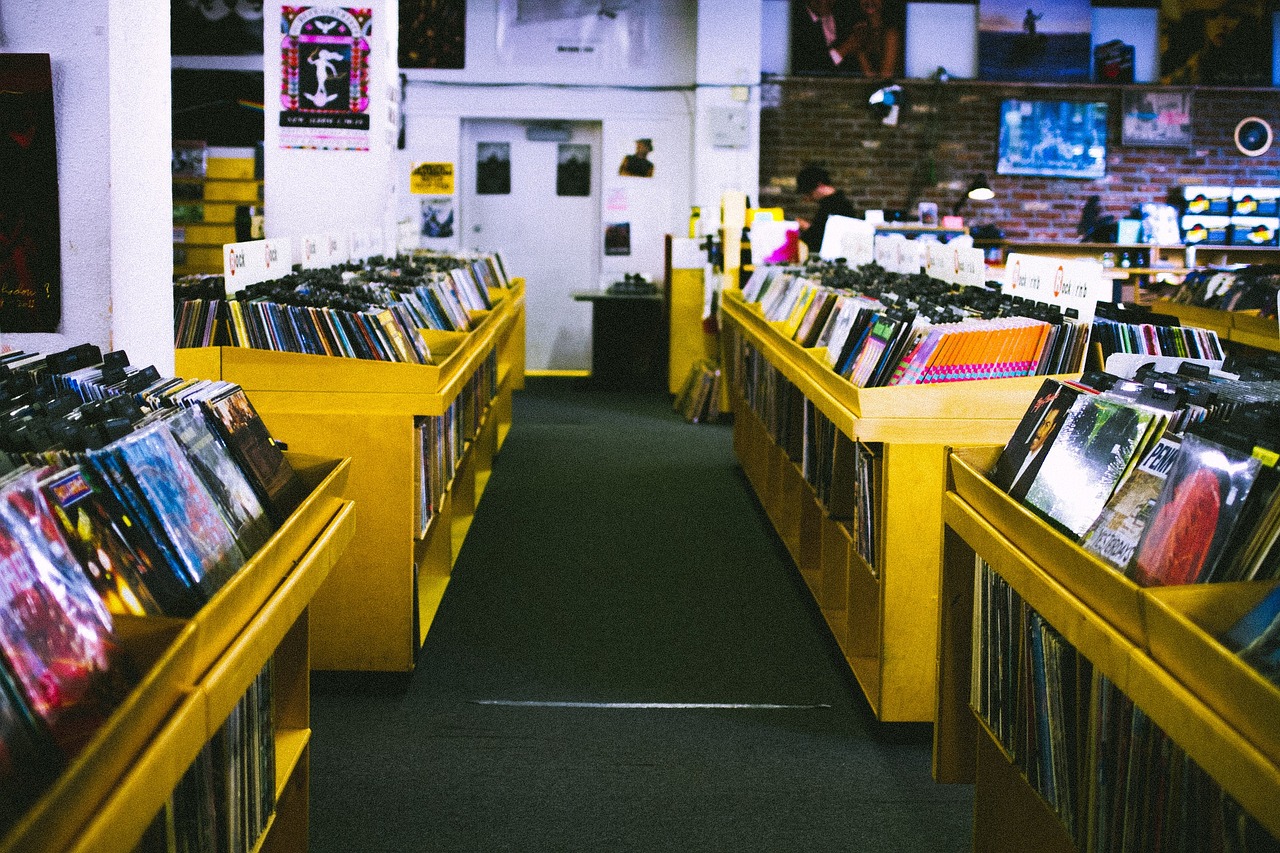
Video store clerks help customers rent movies. Streaming services like Netflix have replaced most video rental stores. People can now watch movies online without leaving home. Video store workers need to find jobs in other types of retail or entertainment.
Telemarketer

Telemarketers call people to sell products or services. Many people now use caller ID to avoid telemarketing calls, and some countries have laws limiting telemarketing. Companies are using email and social media marketing instead of phone calls.
Library Assistant

Library assistants help organize books and assist library visitors. Libraries are using self-checkout systems and digital catalogs. Many people now read e-books instead of physical books. Library workers might need to learn new tech skills or focus on community programs.
Assembly Line Worker

Assembly line workers put together products in factories. Robots and automated machines can now do many assembly tasks. These machines can work faster and don’t need breaks. Some workers might need to learn to operate or maintain these machines.
Typist

Typists create documents by typing from handwritten notes or recordings. Voice recognition software can now automatically convert speech into text. Many professionals now type their own documents on computers. Typists might need to learn more advanced software skills.
Photo Processor

Photo processors develop and print photographs. Most people now take digital photos and don’t print them. Stores have self-service kiosks for printing digital photos. Photo processing workers might need to learn digital editing or photography skills.
Toll Booth Operator
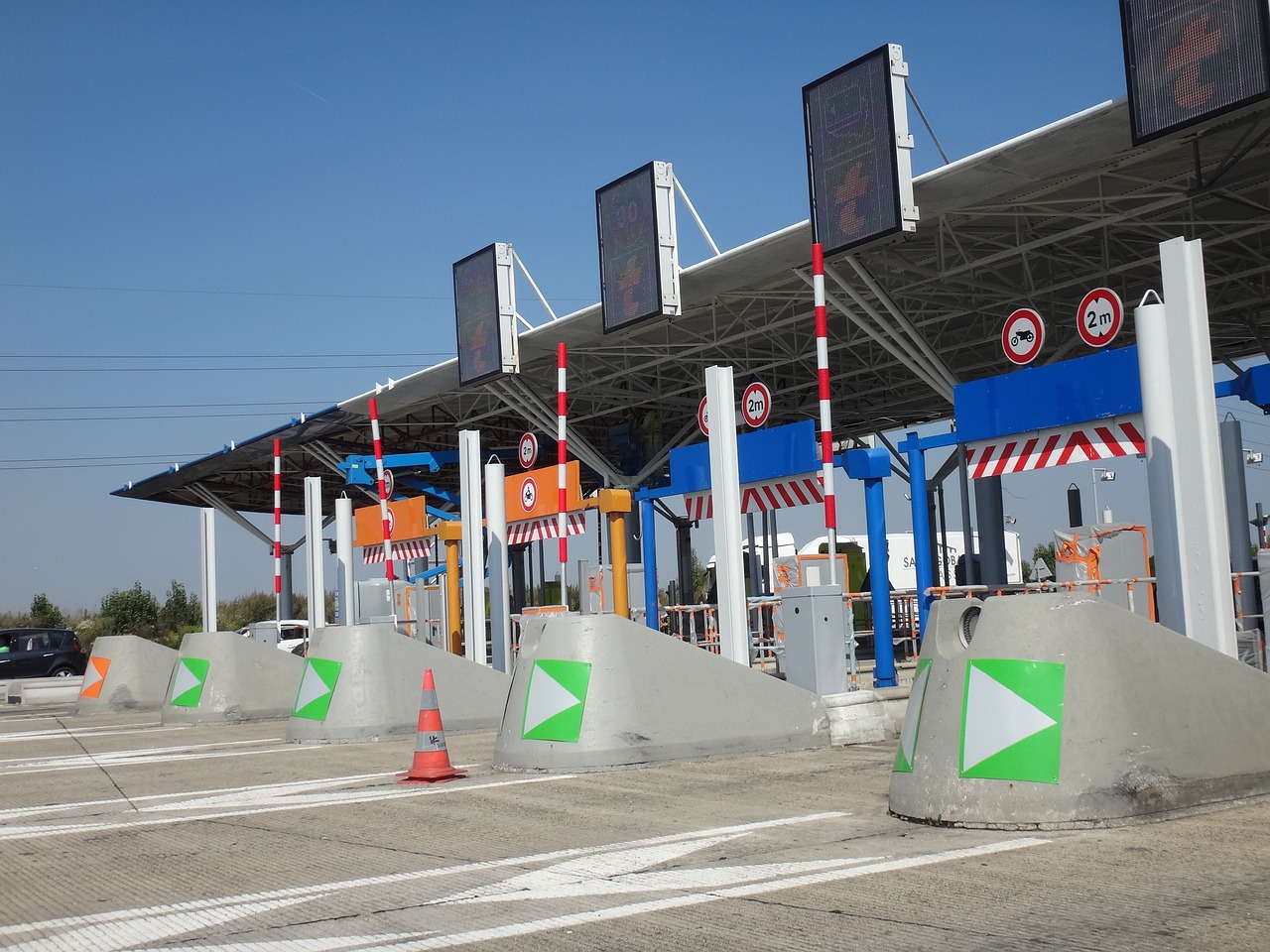
Toll booth operators collect money from drivers on toll roads. Many roads now use electronic toll collection systems. These systems can charge drivers without them stopping. Toll booth workers might need to find other jobs in transportation or customer service.
Watch Repairer

Watch repairers fix and maintain watches and clocks. Many people now use smartphones to check the time instead of watches. Digital watches often need battery changes rather than complex repairs. Watch repair specialists might need to focus on luxury or antique watches.
12 Items Unsuitable for Dishwasher Use
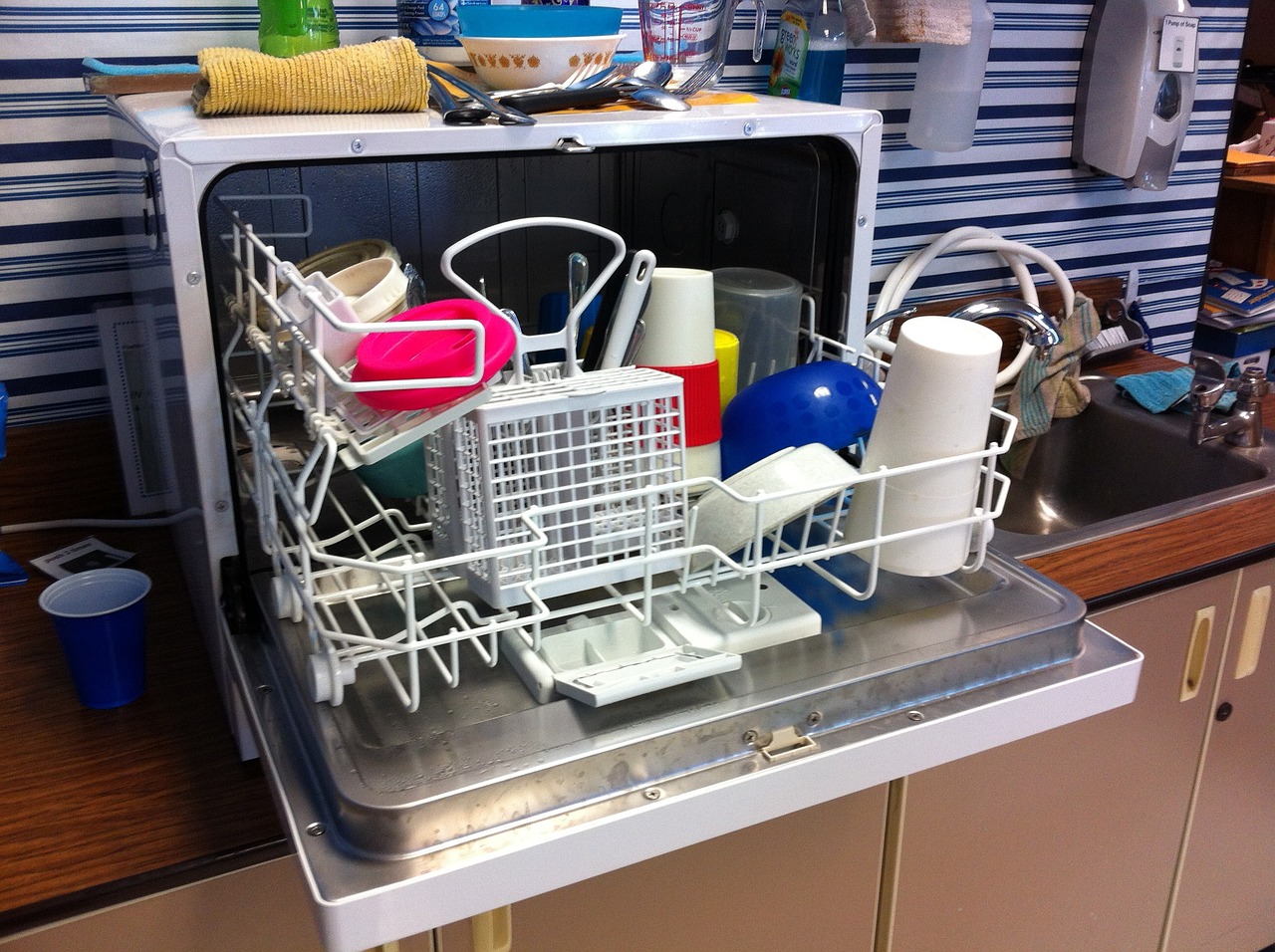
12 Items Unsuitable for Dishwasher Use
21 Signs That Your Partner Is Only Using You