
Your kitchen habits can make the difference between fresh, flavorful ingredients and spoiled food that ends up in the trash. While most people know the basics of food storage, some common pantry items actually need the cool protection of your refrigerator to stay fresh and maintain their quality—a fact that might surprise even experienced home cooks.
Many people don’t realize that their pantry shelves can slowly damage certain foods that would last much longer in the refrigerator. Some everyday ingredients lose their nutritional value, develop off-flavors, or even become unsafe when stored at room temperature, making proper storage essential for both food safety and taste.
Natural Nut Butters

Unlike processed peanut butter with added preservatives, natural nut butter can go rancid quickly at room temperature. The natural oils in these butters break down faster when exposed to heat and light, leading to an unpleasant bitter taste. Refrigeration keeps these healthy fats stable and prevents the oils from separating too much, making your nut butter last up to six months longer. Storing natural almond, peanut, or cashew butter in the fridge also maintains its fresh, nutty flavor and creamy texture.
Whole Grain Flour

Whole grain flour contains the grain’s bran and germ, which are rich in natural oils that can spoil at room temperature. These healthy components make the flour more nutritious but also more vulnerable to turning rancid when stored in the pantry. Room temperature storage can cause whole grain flour to develop an off-putting smell and taste within just a few months. Refrigerating whole grain flour extends its shelf life from a few months to up to a year while preserving its nutty flavor and nutritional benefits.
Pure Maple Syrup
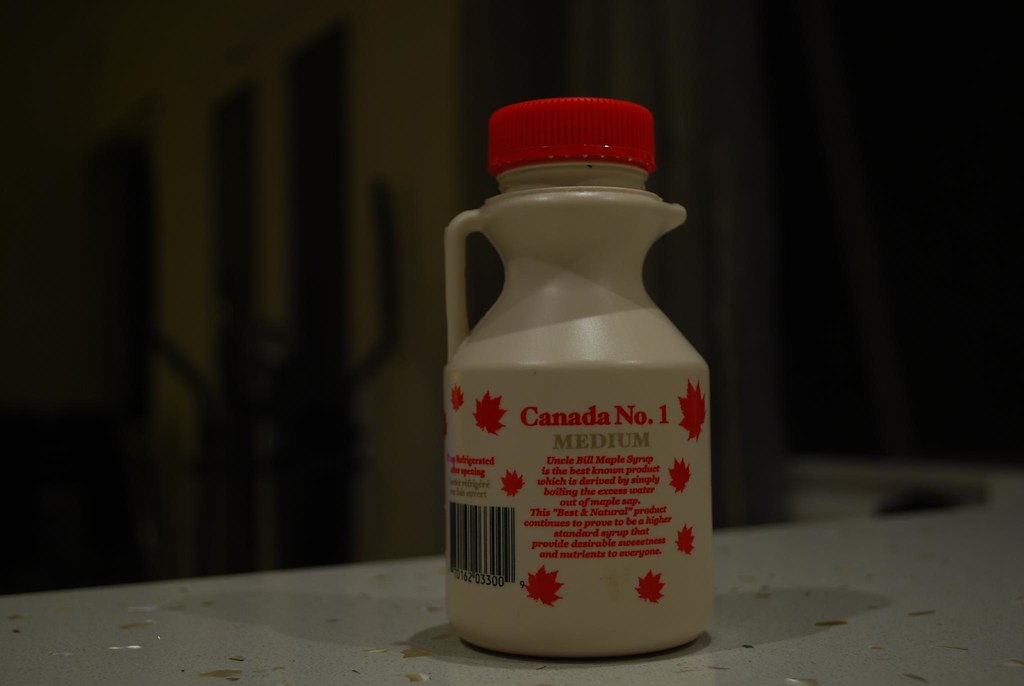
Real maple syrup lacks the preservatives found in artificial pancake syrups, making it more susceptible to mold growth at room temperature. Once opened, pure maple syrup can develop mold within weeks if left in the pantry, especially in warm climates. The refrigerator provides the perfect environment to keep this natural sweetener fresh for up to a year after opening. Cold storage also helps maintain the syrup’s complex flavors and prevents any fermentation that could alter its taste.
Soy Sauce
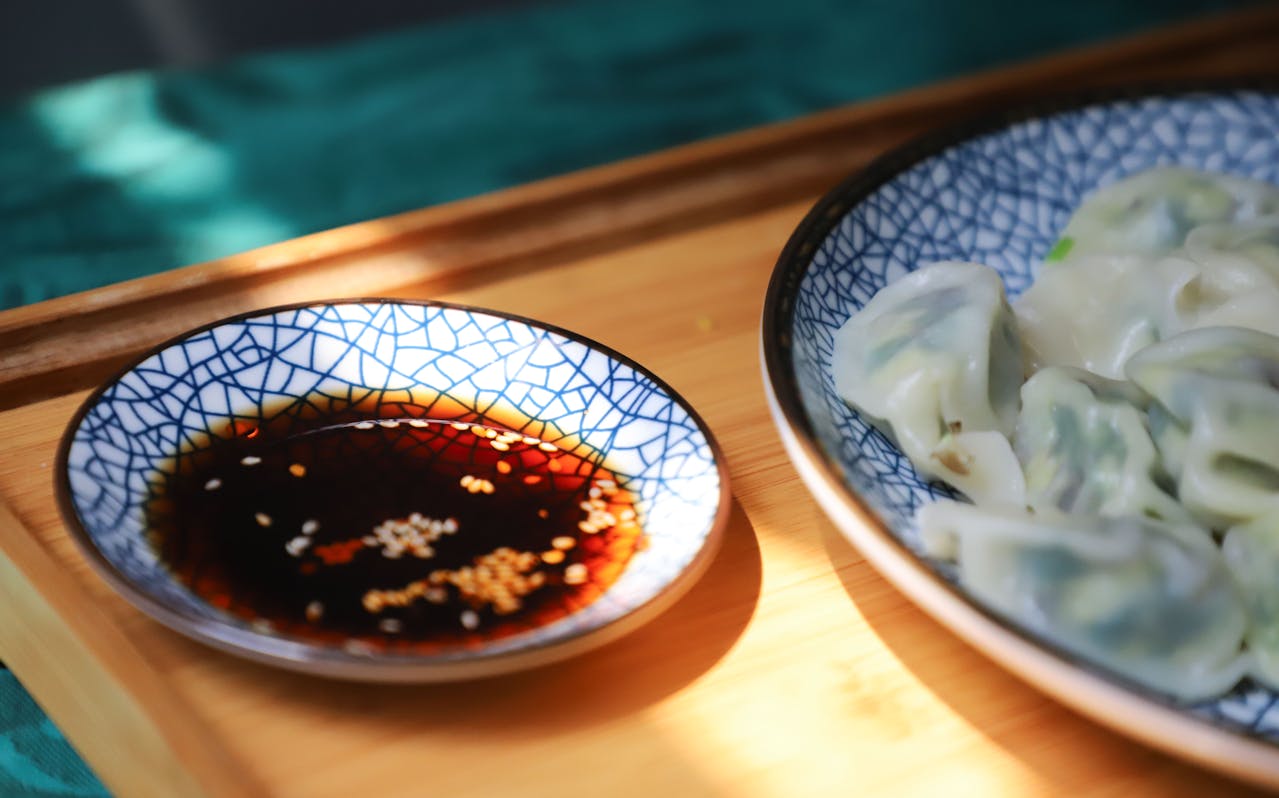
While many people keep soy sauce in their pantry, refrigeration can help preserve its complex flavor profile for much longer. The fermentation process that creates soy sauce continues at room temperature, gradually changing its taste over time. Refrigerating opened soy sauce maintains its original umami flavor and prevents the growth of unwanted bacteria. Cold storage can extend the life of opened soy sauce from a few months to up to two years.
Dijon Mustard

The delicate flavors in Dijon mustard can deteriorate quickly when stored at room temperature. Heat and light exposure can cause the mustard to lose its signature sharp taste and develop a flat, dull flavor profile. Refrigeration helps preserve the mustard’s distinctive taste and prevents the natural oils from separating or becoming rancid. Keeping Dijon in the fridge can extend its peak flavor quality from a few months to up to a year.
Open Bottles of Olive Oil

While sealed olive oil belongs in a cool, dark pantry, opened bottles benefit from refrigeration to prevent rancidity. The cold temperature slows down the oxidation process which can make olive oil develop off-flavors and lose its health benefits. While the oil might become cloudy and thick in the fridge, it returns to normal consistency when brought to room temperature. Refrigerated olive oil maintains its fresh, peppery taste and nutritional value for several months longer than when stored at room temperature.
Natural Food Coloring

Natural food dyes made from vegetable and fruit extracts need cold storage to maintain their vibrant colors. Unlike artificial food coloring, natural versions can quickly fade or develop mold when kept in the pantry. The refrigerator’s cold environment preserves the dyes’ bright hues and prevents bacterial growth that could compromise their safety. Proper cold storage can extend the life of natural food coloring from a few weeks to several months.
Dried Chili Peppers
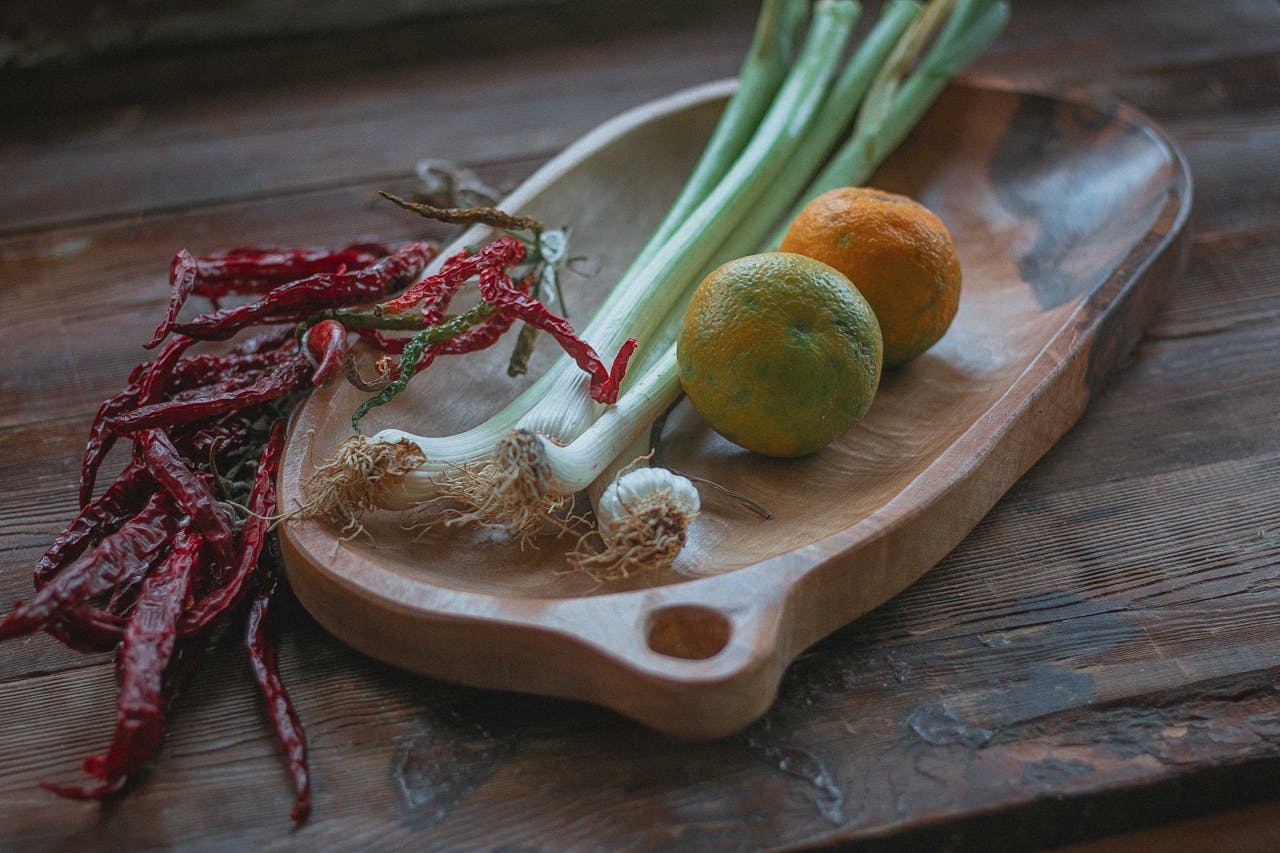
Dried chilies contain natural oils that can become stale or rancid at room temperature. Even though they’re dried, these peppers still benefit from cold storage to maintain their heat level and complex flavors. Refrigeration prevents the loss of color and protects the capsaicin compounds that give peppers their signature spiciness. Storing dried chilies in an airtight container in the fridge can keep them flavorful for up to a year.
Nutritional Yeast

This popular vegan seasoning contains B vitamins that can degrade when exposed to heat and light. The nutty, cheesy flavor of nutritional yeast stays stronger when kept in the refrigerator rather than the pantry. Cold storage prevents moisture from affecting the powder’s texture and maintains its nutritional benefits. Refrigerated nutritional yeast can last up to two years without losing its savory taste or nutritional value.
Cold-Pressed Oils
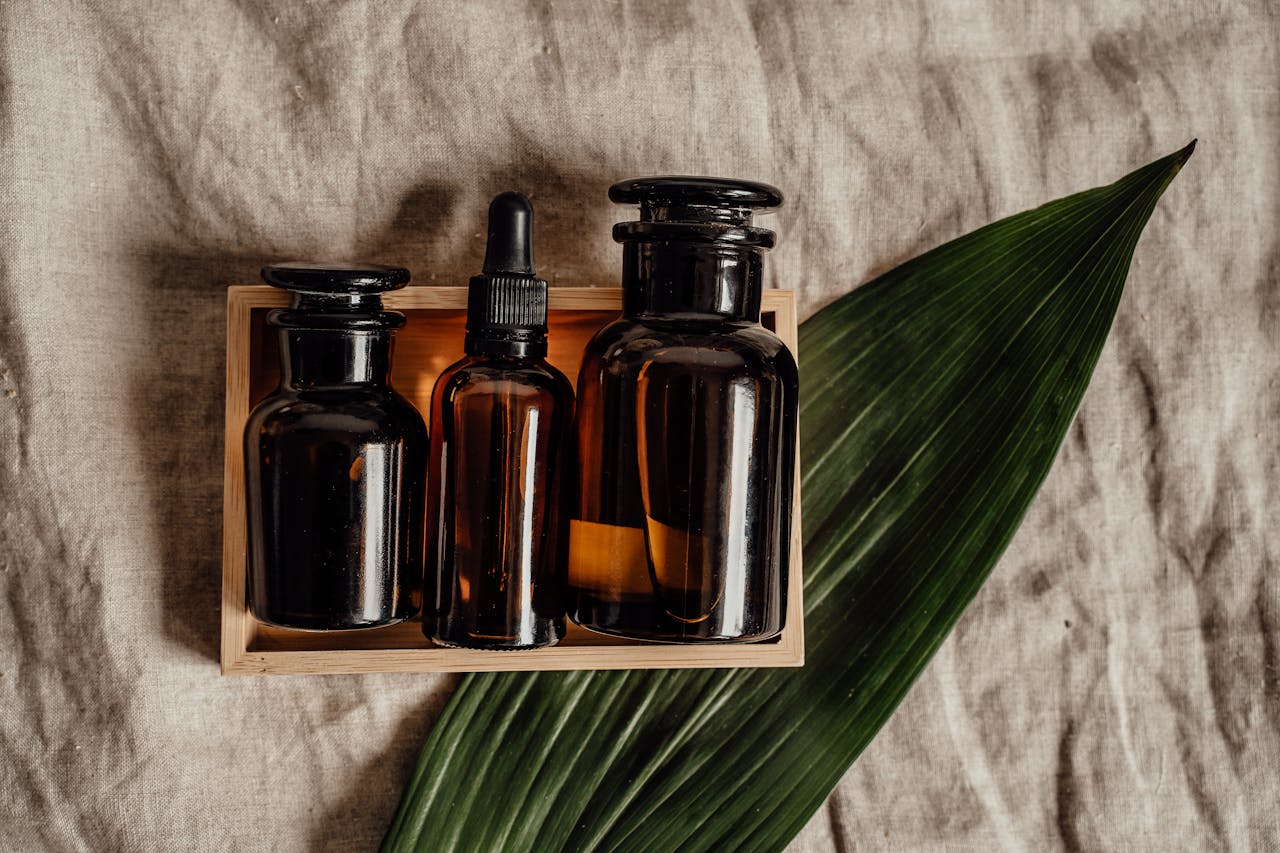
Cold-pressed oils like flaxseed, walnut, and hemp oil contain delicate compounds that break down quickly at room temperature. These healthy oils can turn rancid within weeks when stored in the pantry, developing an unpleasant fishy smell. Refrigeration significantly slows down the oxidation process that causes oils to spoil. The cold environment preserves both the flavor and the beneficial omega-3 fatty acids these oils contain.
Vanilla Beans

These precious spice pods lose their potent aroma and flavor when stored at room temperature for too long. The natural oils in vanilla beans that provide their distinctive scent can dry out or become moldy in warm pantry conditions. Refrigeration in an airtight container helps preserve the beans’ moisture content and prevents the growth of mold. Properly stored vanilla beans can maintain their aromatic properties for up to six months in the refrigerator.
Tahini

Like natural nut butter, tahini contains oils that can go rancid when stored at room temperature. The sesame paste becomes bitter and develops an unpleasant smell if kept in warm conditions for too long. Refrigeration keeps the natural oils stable and prevents separation, though you may need to stir before using. Cold storage extends tahini’s shelf life from a few months to up to a year while maintaining its nutty, rich flavor.
Dried Fruit

While completely dried fruit can stay in the pantry, partially dried or naturally dried fruits need refrigeration. The moisture content in these fruits can promote mold growth when stored at room temperature for extended periods. Refrigeration prevents the natural sugars from crystallizing and maintains the fruit’s soft, chewy texture. Storing dried fruits in the fridge can extend their shelf life from a few months to up to a year while preserving their natural sweetness.
Dried Mushrooms
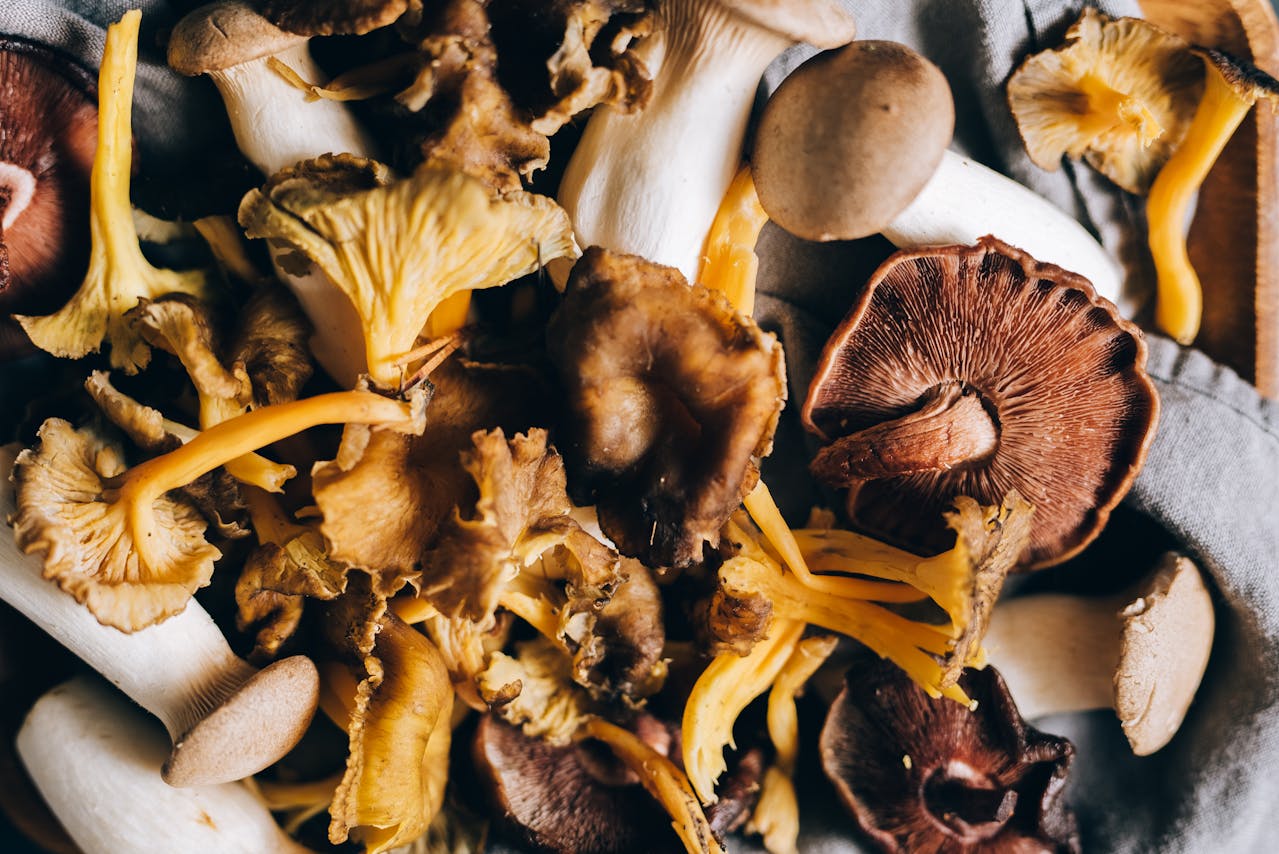
While dried mushrooms might seem shelf-stable, they can attract moisture and insects when stored in the pantry. The delicate umami compounds in dried mushrooms stay more potent when kept in cold storage. Refrigeration prevents the growth of bacteria and helps maintain the mushrooms’ intense flavor profile. Storing dried mushrooms in an airtight container in the fridge can extend their life up to a year while preserving their rich taste.
Toasted Nuts

The roasting process releases oils in nuts that can turn rancid quickly at room temperature. Toasted nuts stored in the pantry often develop a stale, bitter taste within a few weeks. The cold environment of the refrigerator slows down the oxidation of these released oils. Properly stored toasted nuts can maintain their fresh, roasted flavor for up to six months in the refrigerator.
Unopened Tortillas

Even unopened tortillas can develop mold or become stale when kept at room temperature for too long. The natural moisture content in tortillas makes them susceptible to spoilage, especially in warm environments. Refrigeration extends their shelf life significantly and helps maintain their fresh texture. Storing unopened tortillas in the fridge can keep them fresh for up to two months past their printed date.
Whole-Grain Crackers

The natural oils in whole-grain crackers can turn rancid at room temperature, especially in warm climates. While regular crackers stay fine in the pantry, those made with whole grains need extra protection from heat and humidity. Refrigeration helps preserve the crackers’ nutty flavor and prevents them from developing that stale, cardboard-like taste. Storing whole-grain crackers in an airtight container in the fridge can extend their freshness from a few weeks to several months.
Fresh Ground Spices

Freshly ground spices lose their potency much faster when exposed to room temperature and light. The essential oils in ground spices that provide their distinctive flavors are highly sensitive to heat and oxidation. Refrigeration helps preserve these volatile compounds and maintains the spices’ aromatic properties. Properly stored ground spices can maintain their full flavor profile for up to six months in the fridge compared to just a few weeks in the pantry.
Ground Coffee

While many people store coffee in the pantry or on the counter, ground coffee stays fresher longer in the refrigerator. The cold environment helps preserve the complex oils that give coffee its rich flavor and aroma. Ground coffee stored at room temperature can lose its fresh taste within weeks due to exposure to air, heat, and humidity. Refrigerated coffee in an airtight container maintains its flavor profile for several months longer than pantry-stored coffee.
Chocolate-Covered Items

Chocolate-covered nuts, fruits, or candies can quickly become sticky or develop white spots (bloom) when stored at room temperature. The inconsistent temperatures in most kitchens cause the chocolate to repeatedly melt and solidify slightly. Refrigeration keeps these treats at a stable temperature and prevents the chocolate from losing its smooth texture. Proper cold storage can extend the life of chocolate-covered items from a few weeks to several months while maintaining their quality.
16 Cleaning Products You Should Never Mix

