Living in North America means choosing between two incredible countries that share a border but offer completely different experiences. Canada and the United States may look similar on a map, but the daily reality of life in each country tells a much different story.
These two nations have shaped millions of lives in unique ways, and the contrasts might surprise you. Here are 18 key differences that show just how distinct life can be on either side of the world’s longest undefended border.
Healthcare Systems

Universal healthcare coverage means most medical services are free at the point of care. Citizens don’t worry about medical bills since the system is funded through taxes. Wait times for non-emergency procedures can be longer, but emergency care is immediate.
Private healthcare dominates, where individuals must purchase insurance or receive it through employers. Medical bills can be extremely expensive without proper coverage. Quality of care is often excellent, with shorter wait times for specialists.
Cost of Living

Housing costs in major cities like Toronto and Vancouver rival the most expensive places in the world. Grocery prices are noticeably higher, especially for fresh produce. Gas prices tend to be more expensive than in most states.
Living expenses vary dramatically by region, with some areas being very affordable while others are extremely expensive. Cities like New York have sky-high housing costs, but smaller towns remain quite affordable. Grocery prices are generally lower, and gas is typically cheaper.
Weather and Climate

Longer, harsher winters with significant snowfall dominate most regions. Summer temperatures are generally milder and more comfortable with less humidity. The growing season is shorter, affecting construction schedules and outdoor activities.
Climate diversity ranges from tropical Florida to the desert Southwest to the temperate Pacific Northwest. Most residents experience milder winters and longer growing seasons. Natural disasters like hurricanes and tornadoes are more common in various regions.
Education Systems

University tuition is significantly lower, making higher education more accessible to middle-class families. The system emphasizes bilingualism in many provinces, particularly French and English. Student debt levels are typically much lower upon graduation.
Higher education costs are substantially higher, leading to widespread student debt lasting decades. The system offers more variety in specialized programs and prestigious institutions. Community colleges provide affordable alternatives for the first two years.
Work Culture and Benefits

Workplace culture emphasizes work-life balance more strongly, with generous vacation time and parental leave policies. Maternity and paternity leave can extend up to 18 months with government support. Overtime regulations are stricter with strong labor protections.
Business culture is generally more competitive and fast-paced, with longer working hours being common. Vacation time is typically limited, and parental leave policies vary widely by employer. The entrepreneurial spirit is strong, with more opportunities for rapid career advancement.
Food and Dining

Restaurant portions are generally smaller, and food prices are higher due to climate limitations. The cuisine reflects multicultural heritage with poutine and butter tarts as traditional favorites. Tipping customs are similar but slightly more modest.
Food culture features famously large portion sizes and incredible diversity of regional specialties. Food costs are generally lower, with an impressive variety of international cuisines in major cities. Tipping culture is more established, with 18-20% being standard for good service.
Transportation and Infrastructure

Public transportation is excellent in major cities like Toronto and Vancouver, but car ownership is essential in smaller cities. The highway system is well-maintained but less extensive. Winter driving conditions require special skills and equipment.
Transportation infrastructure is built around car ownership, with extensive highway systems connecting even small towns. Public transportation varies dramatically by city. Traffic congestion is a major issue in metropolitan areas.
Banking and Financial Services

Major institutions dominate banking with heavy regulation and very stable operations. Credit approval requirements are stricter but offer more consumer protections. The mortgage system requires higher down payments, making homeownership challenging for first-time buyers.
Banking offers more variety and competition with thousands of different banks and credit unions. Credit is more readily available, which can be both advantageous and risky. The mortgage industry is more flexible with lower down payments and creative financing options.
Social Safety Net

Comprehensive social programs include employment insurance and child benefits. These programs offer a stronger safety net for citizens facing economic hardship through higher taxes. Access to benefits is generally straightforward and less bureaucratic.
Social programs are often more limited and harder to access. Unemployment benefits vary by state and typically last for shorter periods. The welfare system is more complex and often carries social stigma.
Cultural Attitudes

Culture emphasizes politeness, multiculturalism, and consensus-building in personal and professional settings. The country takes pride in its peacekeeping role and reputation for inclusivity. There’s generally less political polarization.
Culture celebrates individualism, entrepreneurship, and personal achievement more prominently. The country’s global influence shapes a strong sense of national identity and pride. Political discourse is more polarized with stronger ideological divisions.
Housing Market

Real estate prices have skyrocketed in major cities, making homeownership increasingly difficult for young people. The market is heavily influenced by foreign investment, particularly in Vancouver and Toronto. Mortgage rules are stricter with required stress tests.
Housing markets vary dramatically by location, with some areas very affordable while others are extremely expensive. The mortgage industry offers more flexibility in down payments and loan types. Property taxes fund local services, creating quality differences between wealthy and poor areas.
Technology and the Internet

Internet and cell phone services are dominated by a few companies, leading to higher prices and less competition. Rural areas often have limited high-speed internet access due to their vast geography. Data caps on internet and phone plans are more common.
Technology infrastructure is more competitive and generally offers better value for consumers. Internet speeds are faster and more widely available, even in rural areas. The tech industry is much larger, centered in places like Silicon Valley.
Taxes and Government Services

Taxes are generally higher across all income levels, but citizens receive more comprehensive government services in return. Tax filing is typically simpler with free government software for most taxpayers. The progressive tax system has higher earners paying significantly more.
Taxes vary by state, with some having no income tax while others have high rates. The federal tax system is complex, with many deductions and credits available. Tax preparation is a major industry since many people need professional help.
Outdoor Activities and Recreation

Natural landscape offers incredible opportunities, from skiing in the Rockies to wilderness canoeing. The extensive national and provincial park system is well-maintained and accessible. Winter activities are a major part of culture, with hockey being the national sport.
Outdoor recreation is incredibly diverse due to varied geography and climate. National parks like Yellowstone attract millions of visitors annually. Year-round outdoor activities are possible in many regions with prominent beach culture in coastal areas.
Immigration and Diversity

Points-based immigration system prioritizes skilled workers with clear pathways to permanent residence. The country actively promotes multiculturalism with policies supporting newcomer integration. Immigration levels are high relative to population size, contributing to diversity.
Immigration is more complex and often unpredictable, with various visa categories and changing policies. The country attracts the largest number of immigrants globally, but the path to permanent residence can be lengthy. Political debates create ongoing uncertainty for many immigrants.
Entertainment and Media

The entertainment industry is smaller but produces high-quality content with government support for domestic productions. The country has produced many internationally successful musicians, actors, and comedians. Media content is influenced by content requirements, promoting domestic programming.
The entertainment industry dominates globally, with Hollywood movies and television shows exported worldwide. The music industry is massive and diverse, covering every genre imaginable. Sports entertainment is huge, with professional leagues in multiple sports.
Legal System and Crime

The legal system emphasizes rehabilitation over punishment, with generally lower crime rates. Gun violence is significantly less common, and the justice system moves more slowly, but focuses on fair outcomes. Legal costs are typically lower, and the system is less litigious.
The legal system is more adversarial and punitive, with higher incarceration rates and longer sentences. The court system handles a much larger volume of cases, including many civil lawsuits. Legal costs can be extremely high, and the system is highly litigious.
Retirement and Aging

The retirement system combines government pensions with private savings, providing a basic income floor for all retirees. The healthcare system continues coverage throughout retirement, reducing financial stress for older adults. Long-term care options are available, but often have waiting lists.
Retirement relies heavily on personal savings and employer-sponsored plans, creating more individual responsibility. Social Security provides basic income, but most retirees need additional savings to maintain their lifestyle. Healthcare costs in retirement can be substantial, even with Medicare coverage.
U.S. States That Almost Became Part of Canada
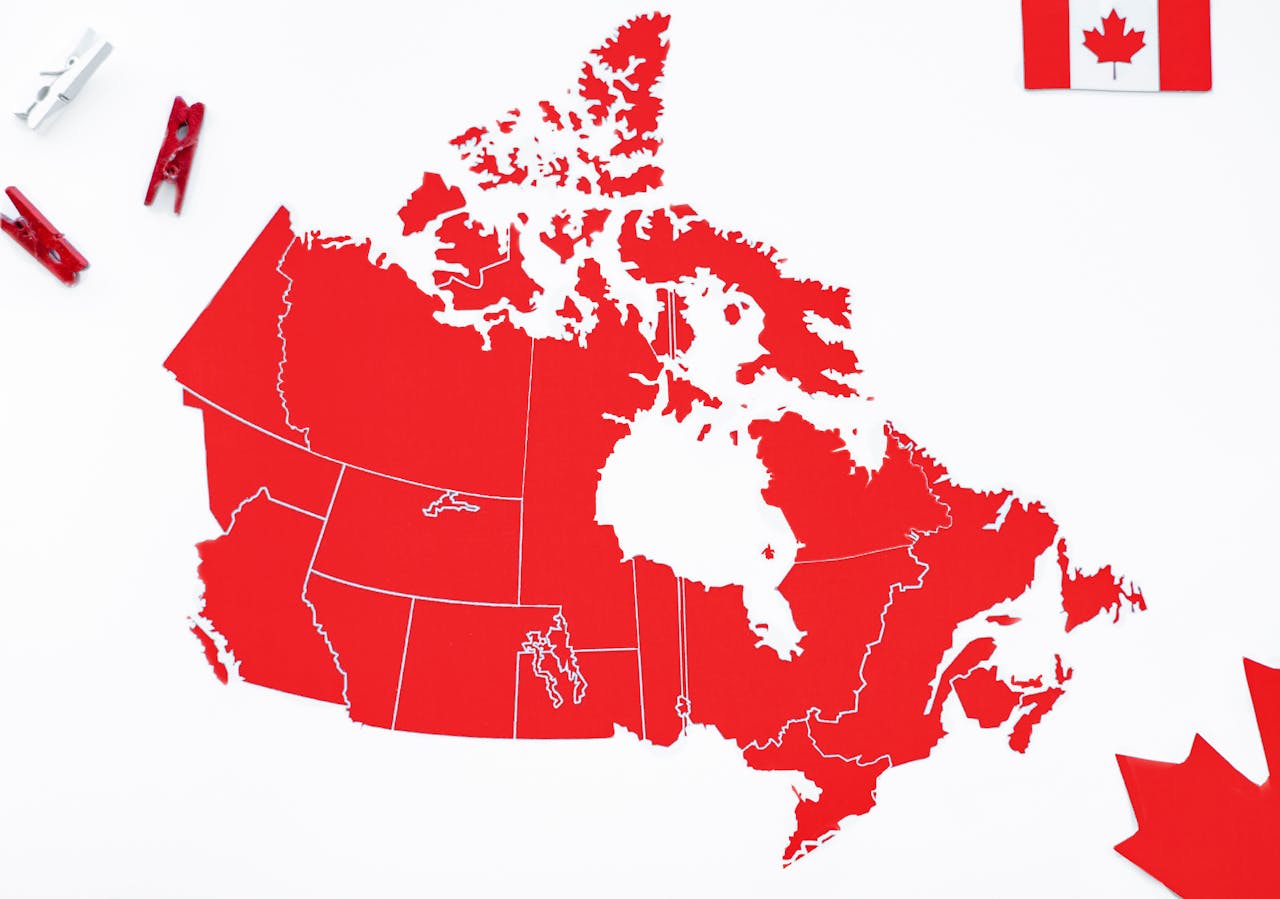
Many U.S. states nearly flew the Canadian flag instead of the stars and stripes due to border fights, land deals, and political battles that happened long ago.