
For over 150 years, Indigenous Peoples in Canada have served with courage in every major conflict, from World War I to modern peacekeeping. First Nations, Inuit, and Métis soldiers often volunteered despite being denied full rights at home. Their actions on the battlefield earned respect, but their stories remain underrepresented in Canadian history.
This list highlights seven remarkable Indigenous war heroes whose bravery and leadership left a lasting mark. They earned some of Canada’s highest military honours and inspired generations through service and sacrifice. From deadly snipers to decorated officers, these individuals exemplify the strength and spirit of Indigenous communities.
Francis Pegahmagabow – Legendary Sniper and Advocate
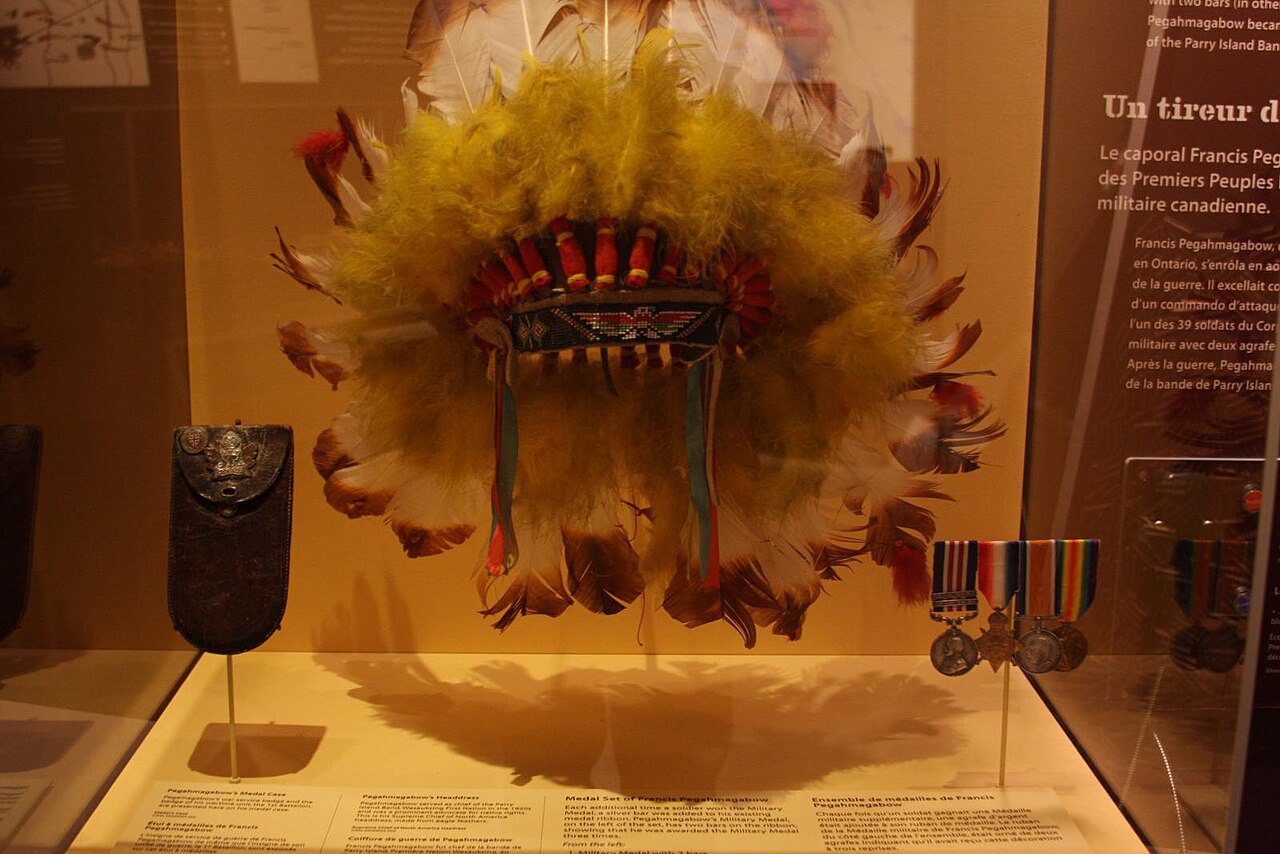
Francis Pegahmagabow, an Ojibwa from Parry Island (now Wasauksing First Nation), is one of Canada’s most decorated Indigenous soldiers. In World War I, he earned the Military Medal with two bars — a rare honour for bravery. Credited with over 115 confirmed kills, he was among the war’s most effective snipers. After the war, he became a chief and a strong advocate for Indigenous rights.
Tommy Prince – The Devil’s Brigade Commando
Tommy Prince, a member of the Brokenhead Ojibway Nation, is perhaps Canada’s most famous Indigenous war hero. Serving in WWII and the Korean War, he was part of the elite First Special Service Force, the “Devil’s Brigade.” He earned the Military Medal and the Silver Star (U.S.) for heroism behind enemy lines. Despite his decorated service, he faced poverty and racism upon returning to civilian life.
Charles Henry Byce – Double Medal Recipient
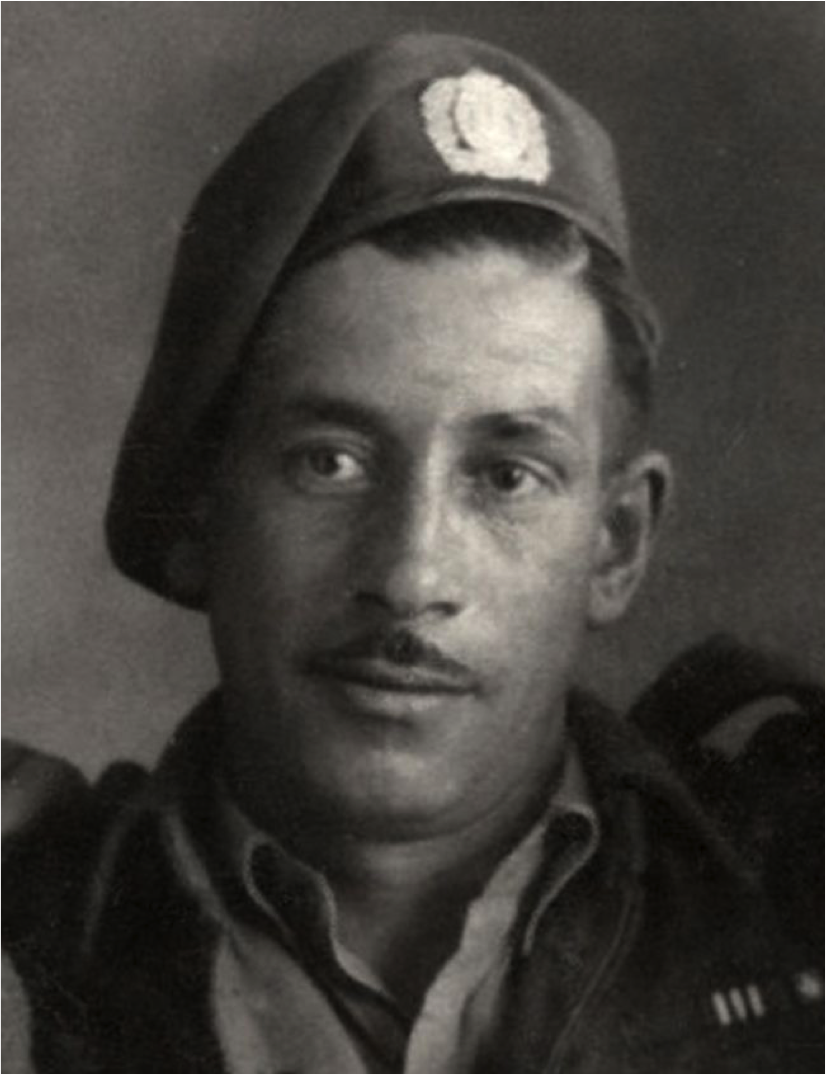
Charles Byce, of Cree heritage, served with the Lake Superior Regiment (Motor) during World War II. He was awarded both the Military Medal and the Distinguished Conduct Medal — a rare recognition of bravery. In the Netherlands and the Rhineland, Byce led his men through fierce fighting under enemy fire. His courage made him one of the most decorated Indigenous soldiers of the war.
Henry Norwest – Métis Sharpshooter of WWI
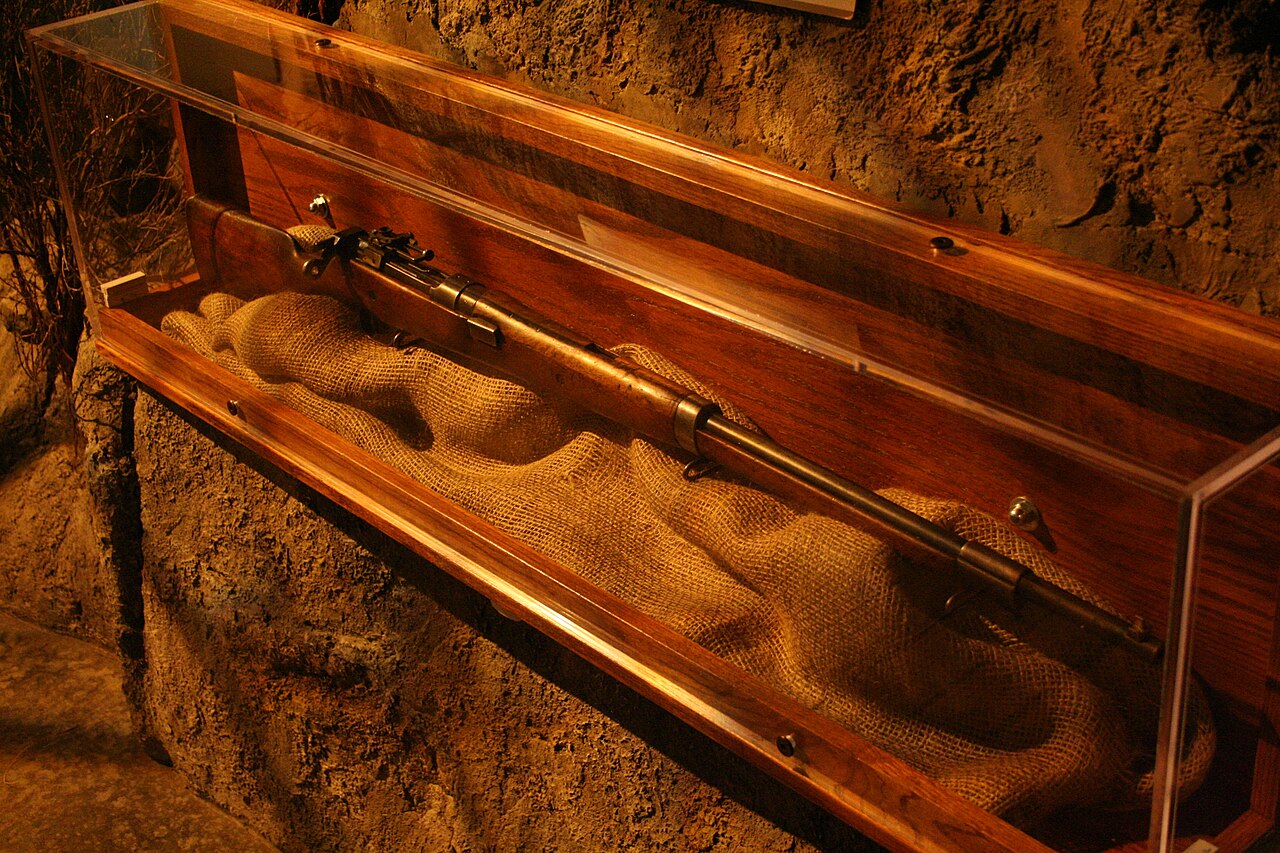
Henry Norwest, a Métis soldier and former rodeo performer, became one of Canada’s most lethal snipers during World War I, with 115 confirmed kills. He was awarded the Military Medal for gallantry at Vimy Ridge. Norwest was tragically killed in action just three months before the end of the war. He is remembered for his exceptional skill and quiet determination.
Mary Greyeyes – Trailblazing Indigenous Woman in Uniform
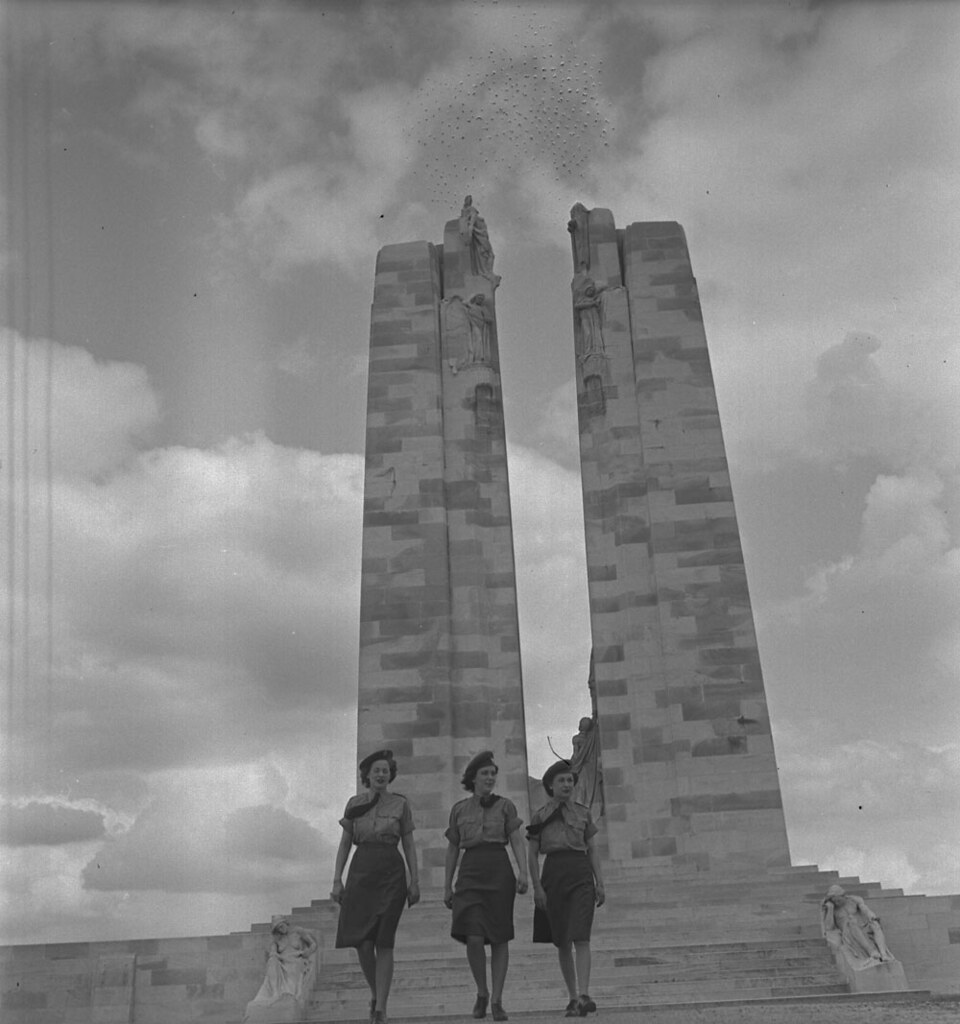
In 1942, Mary Greyeyes became the first Indigenous woman to enlist in the Canadian Women’s Army Corps. A member of the Muskeg Lake Cree Nation in Saskatchewan, she served as a cook and did clerical work during World War II. A famous photo of her in uniform kneeling before a chief was used in military publicity. However, her real legacy was breaking racial and gender barriers for Indigenous women in the military.
Oliver Milton Martin – Canada’s Highest-Ranking Indigenous Officer
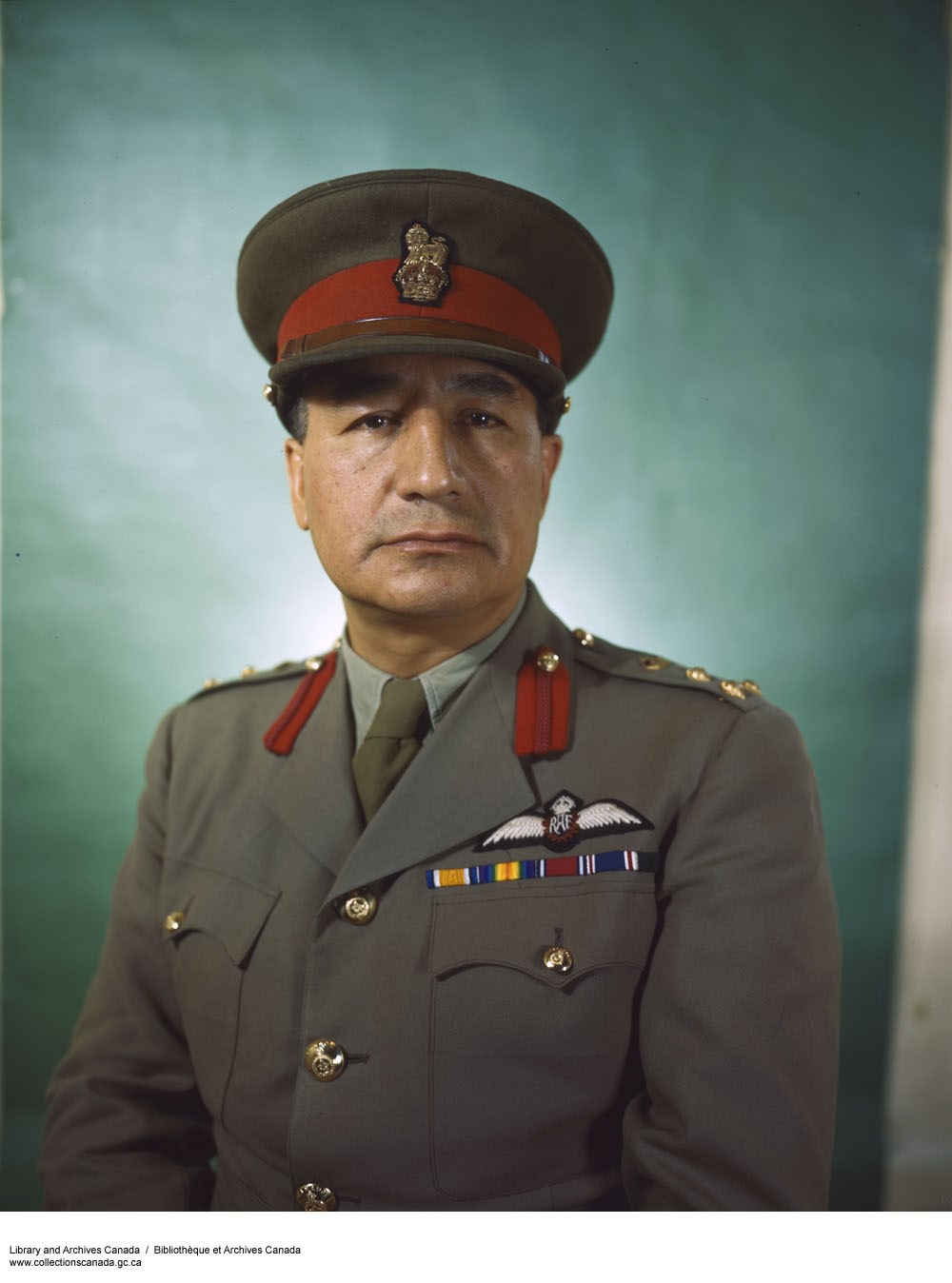
Brigadier Oliver Milton Martin, a Mohawk from Six Nations, served in both World Wars and became the highest-ranking Indigenous officer in Canadian history. During World War II, he was promoted to brigadier and held a senior command role in Canada. After the war, he became a provincial judge in Ontario. His achievements challenged stereotypes and opened doors for future Indigenous leaders.
David Greyeyes – Warrior, Officer, and Trailblazer
David Greyeyes, a Cree from Muskeg Lake Cree Nation and brother of Mary Greyeyes, served in World War II as an officer — a rare achievement for an Indigenous soldier. He earned the Greek War Cross (Third Class) for bravery in Italy. After the war, he became the first Indigenous regional director with Indian Affairs. Later named to the Order of Canada, his life exemplified leadership in both military and public service.
Indigenous Leaders Who Resisted Colonialism (And Their Legacies Today)
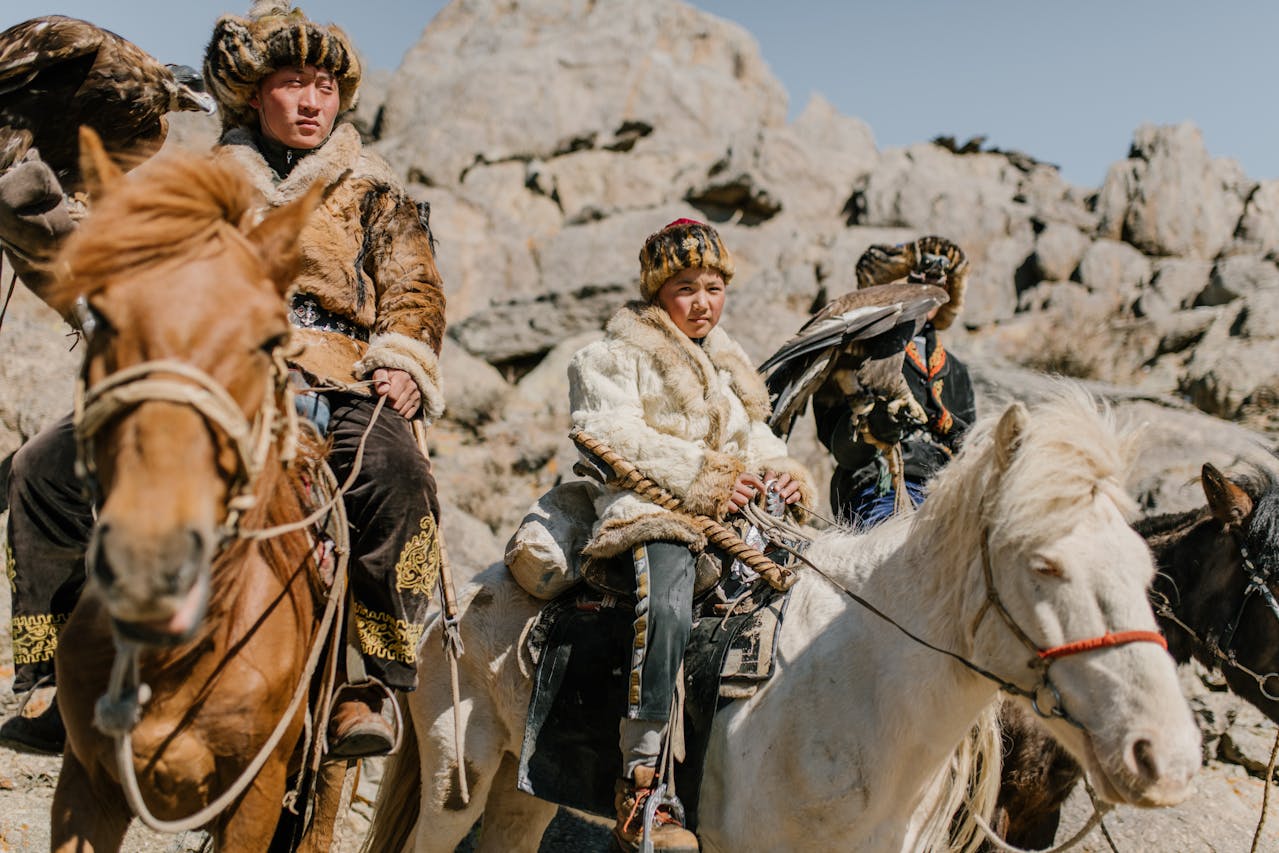
7 Indigenous Leaders Who Resisted Colonialism (And Their Legacies Today)
