
When Mark Carney’s government rushed its first fast-track law through Parliament last year, the message to Canadians was simple: Canada would build again, and do so quickly. More than a year later, Ottawa has returned with a much larger bill carrying a nearly identical name. What changed in between reveals how hard that promise has been to keep.
Read further, as the next slides cover the key promises, powers and pushback.
1. The first bill promised a new era of building

Bill C-5 became law in June 2025 with Conservative support, which created the Building Canada Act. The law let cabinet label certain major projects as “national interest” and fast-track their regulatory approvals. Carney framed it as a direct response to American tariffs and annexation threats, promising a pace of construction the country had not seen in many decades.
2. Only a handful of projects have advanced

Since the law passed, Ottawa has begun the listing process for five projects, though none is listed yet. They include a West Coast oil pipeline, a nuclear waste repository near Ignace, Ontario, and Roberts Bank Terminal 2 near Vancouver. The Mackenzie Valley Highway and Nunavut’s Grays Bay road and port complete the group, with decisions expected this fall.
3. Ottawa signals the first law was only a starting point

Rather than letting the first law run its course, the government is now expanding it and rewriting much of the federal approval system around it. Finance Minister François-Philippe Champagne said Canada currently faces a situation unlike anything in its history, requiring far more tools to protect its economic security, which is why the temporary powers are becoming permanent.
4. Bill C-39 promises most federal decisions within one year

At the core of the Building Canada Strong Act is a promise of speed. Once an application is deemed complete, most federal reviews would be decided within a year, though Indigenous consultation and prescribed activities could extend that timeline. Ottawa says approvals often drag on past five years, and Carney insists a quick “no” beats a drawn-out process.
5. Temporary powers are about to become permanent

When the Building Canada Act passed, it included a sunset clause that would have ended cabinet’s special powers after five years. Bill C-39 removes that expiry date entirely, which means the fast-track system would stay in place indefinitely unless a future Parliament decides to repeal it. The other major shift is easy to miss but hard to overstate.
6. One project would receive one approval document

Under the current system, the environment minister issues an impact assessment decision, and other departments then follow with separate permits. The new bill would let the environment minister sign one decision covering every required federal approval for most projects. Ottawa says this “one project, one decision” approach would cut duplication and give investors far more certainty about timing.
7. Some construction could begin before final approval

The bill also allows the environment minister to authorize certain early work before an impact assessment is fully complete, provided it serves the public interest. Officials describe this as limited preparatory activity that comes with conditions attached. They also stress that an early green light for site work does not guarantee a project will eventually receive full approval.
8. Pipeline and nuclear reviews are changing hands

Major pipelines and nuclear facilities would no longer be reviewed through the Impact Assessment Agency, which reports to the environment minister. Pipeline reviews would go to the Canada Energy Regulator, while the Canadian Nuclear Safety Commission would handle nuclear and uranium projects. Both of those bodies fall under the energy portfolio, a shift critics have been watching closely.
9. Entire regions could be pre-approved for development

One of the boldest ideas in the bill is creating “regions of national interest.” After a regional assessment and consultation with Indigenous communities, the cabinet could formally list an area such as an energy corridor or industrial zone. Certain projects within those boundaries would then be treated as pre-approved, provided they follow the conditions set out during the assessment.
10. A new hub would coordinate Indigenous consultation

The legislation also creates a Crown Consultation Hub inside the Impact Assessment Agency to coordinate talks with Indigenous communities. The goal is one consultation process per project for each community rather than several overlapping ones. Ottawa insists this does not weaken its duty to consult, although the energy and nuclear regulators would keep running their own separate processes.
11. First Nations leaders are urging caution

Not everyone sees the consultation changes as progress. Assembly of First Nations National Chief Cindy Woodhouse Nepinak warned Carney against using his majority to rush the bill through without proper debate. She also urged the government to accept amendments from First Nations leaders, while other Indigenous groups worry the new rules could invite legal challenges down the road.
12. Climate becomes one factor among many

The bill mentions climate only a handful of times overall, treating a project’s effect on climate commitments as just one consideration. Officials would then weigh it alongside economic effects, safety, health, Indigenous knowledge and, for pipelines, market demand. There is no specific emissions threshold that would automatically trigger a rejection, a gap environmental observers have flagged as notable.
13. Fish habitat and waterway rules would loosen

Several environmental laws would also be adjusted to speed up permitting. Some proponents whose projects have only minor impacts could pay a fee into an environmental fund instead of creating their own habitat offsets. The transport minister would gain authority over certain exemptions under the Canadian Navigable Waters Act, a power that currently sits with the full cabinet.
14. Ports and trade corridors get a national overhaul
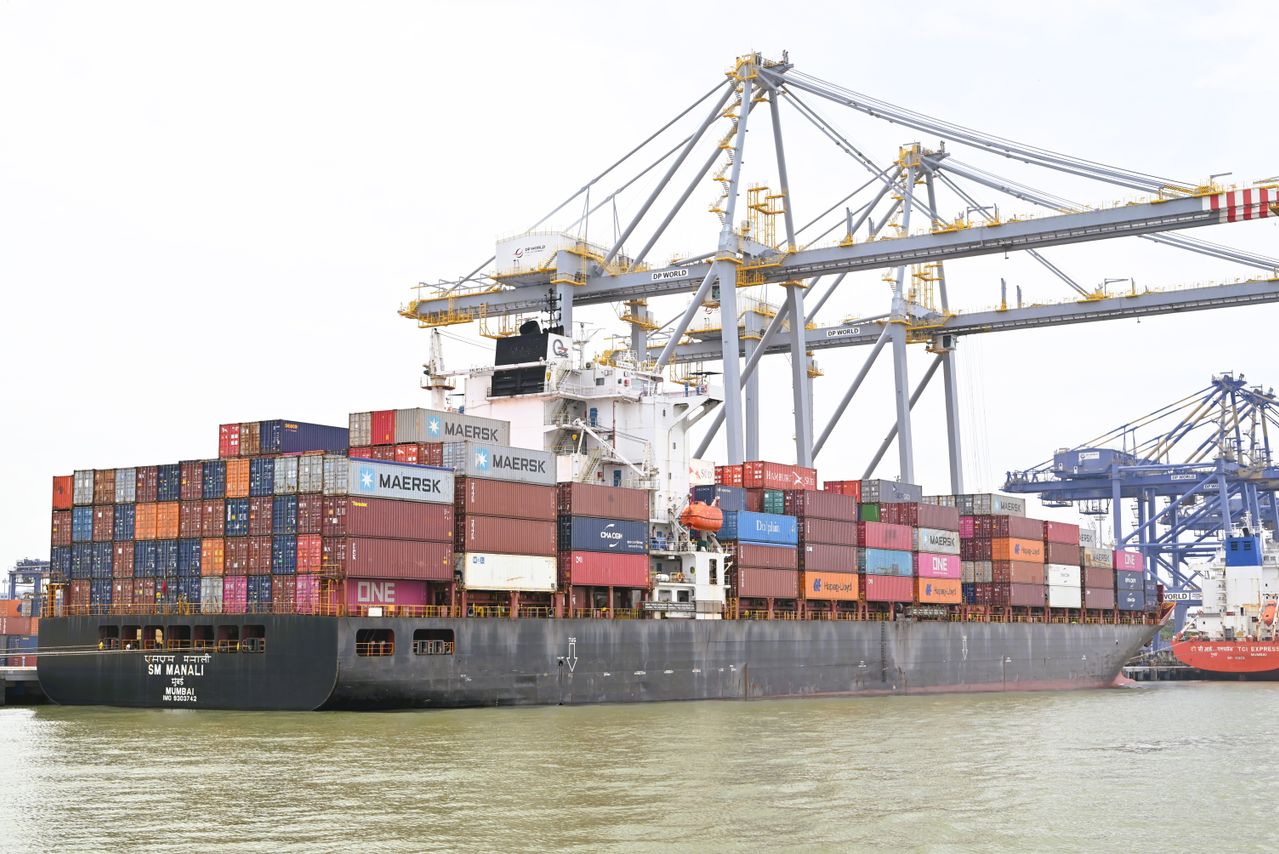
Beyond major projects, the bill also reaches into how goods move across the country. It would designate national trade corridors, give ports a modernized governance framework and let the transport minister create a National Trade Corridors Council. That council would track delays at busy ports and rail yards and recommend practical ways to keep shipments moving more reliably.
15. The labour changes are drawing the loudest objections

Tucked inside this economic bill is a rewrite of Section 107 of the Canada Labour Code. The labour minister could direct the industrial relations board to halt a legal strike, extend contracts or impose arbitration if it threatens the “national interest.” That judgment would weigh economic impact, serious social disruption and freedom of association before the minister acts.
Carney’s Davos speech was a global hit. At home, Canadians are still waiting for results
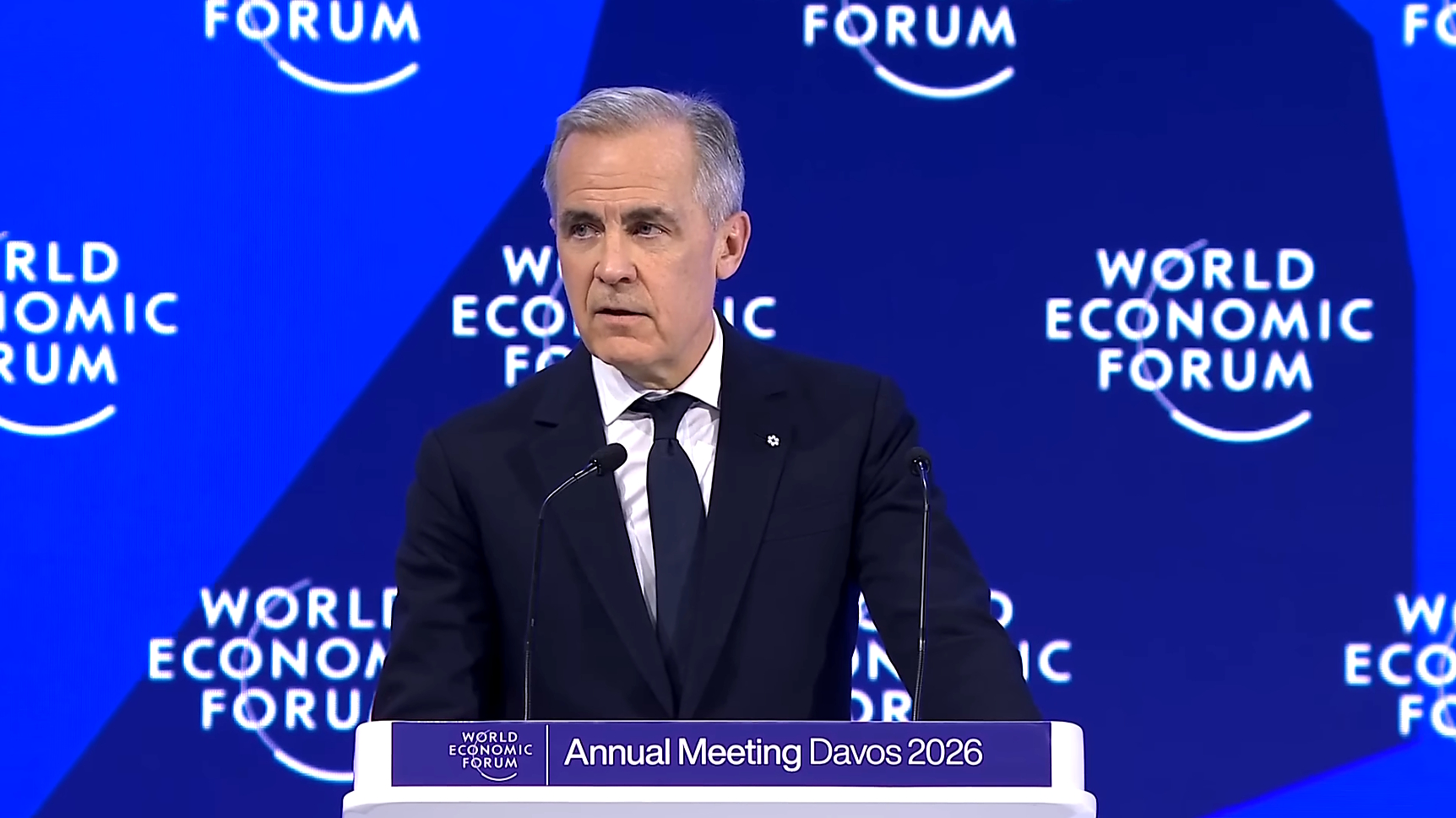
Carney’s Davos speech was a global hit. At home, Canadians are still waiting for results
