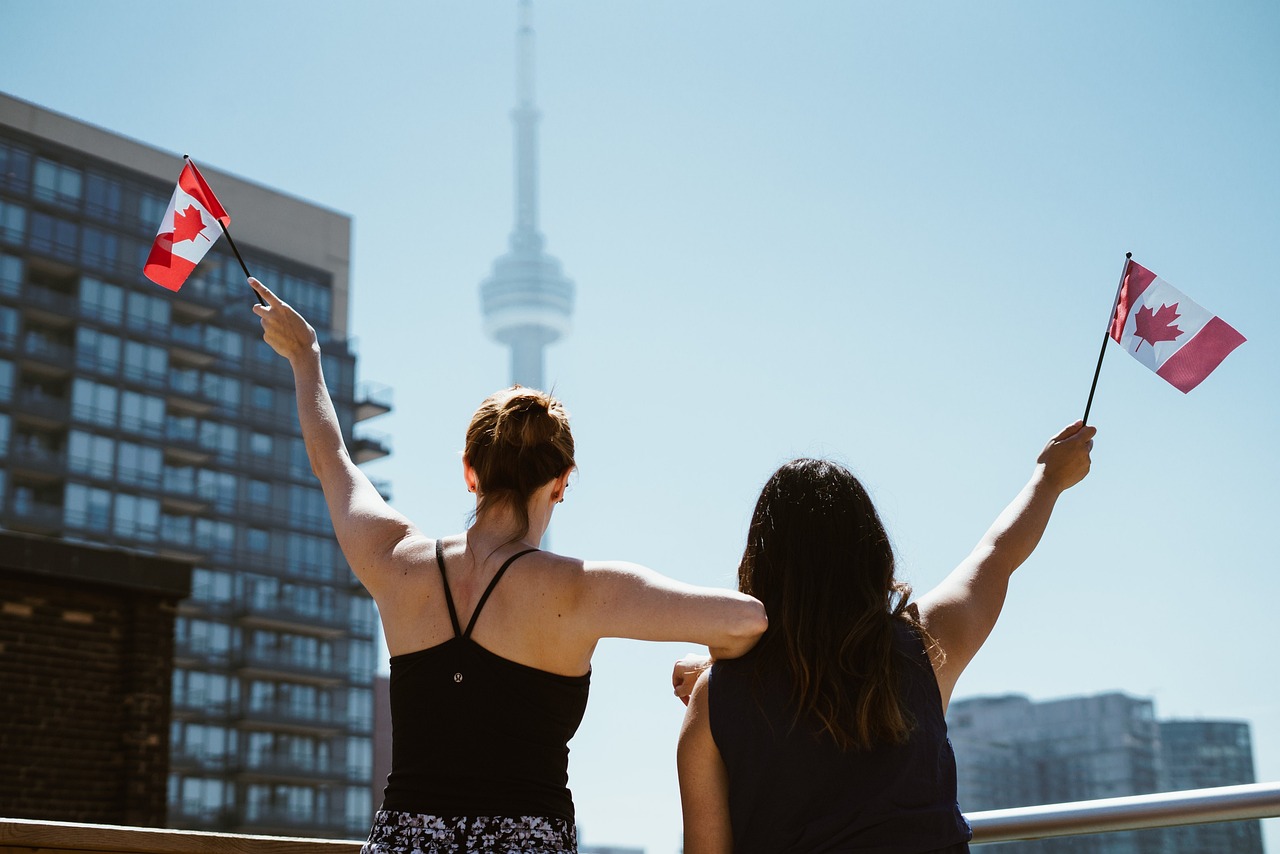
With Canada Day just around the corner, it’s time to brush up on some fun facts about the Great White North. Sure, we all know about maple syrup and hockey, but there’s so much more to Canada’s story than meets the eye.
While many people know the basics, there are lots of interesting facts that might surprise you. Here are 15 historical facts about Canada that you probably don’t know.
First Canada Day
The first Canada Day was celebrated on July 1, 1867. It marked the unification of three colonies into a single country called Canada. These colonies were Nova Scotia, New Brunswick, and the Province of Canada, which is now Ontario and Quebec. This day is also known as Confederation Day.
Original Name

Canada Day was originally called Dominion Day. The name changed to Canada Day in 1982. The change was part of a larger effort to adopt more Canadian-focused terminology. Dominion Day reflected Canada’s status as part of the British Empire.
First Prime Minister

Sir John A. Macdonald was Canada’s first Prime Minister. He played a key role in the formation of Canada. He served as Prime Minister for 19 years. His leadership helped shape the country.
How Big Canada Is
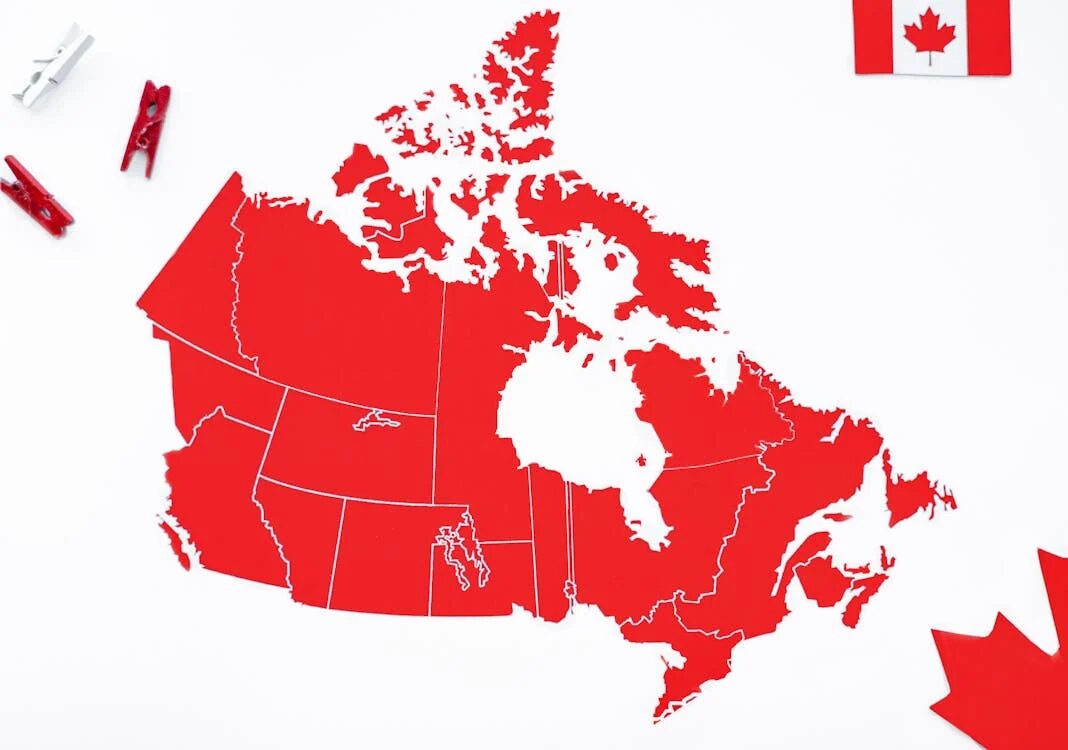
Canada is the second-largest country in the world by land area. It has a total area of about 9.98 million square kilometers. Only Russia is larger. This vast land includes diverse landscapes and climates.
Longest Street

Yonge Street in Ontario is one of the longest streets in the world. It stretches about 1,896 kilometers from Lake Ontario to the Minnesota border. It was once listed in the Guinness Book of World Records. It’s an important historical and cultural route.
National Sport

Canada’s national sports are ice hockey and lacrosse. Ice hockey is the winter sport, and lacrosse is the summer sport. Both have deep roots in Canadian history. These sports are beloved by Canadians.
National Flag
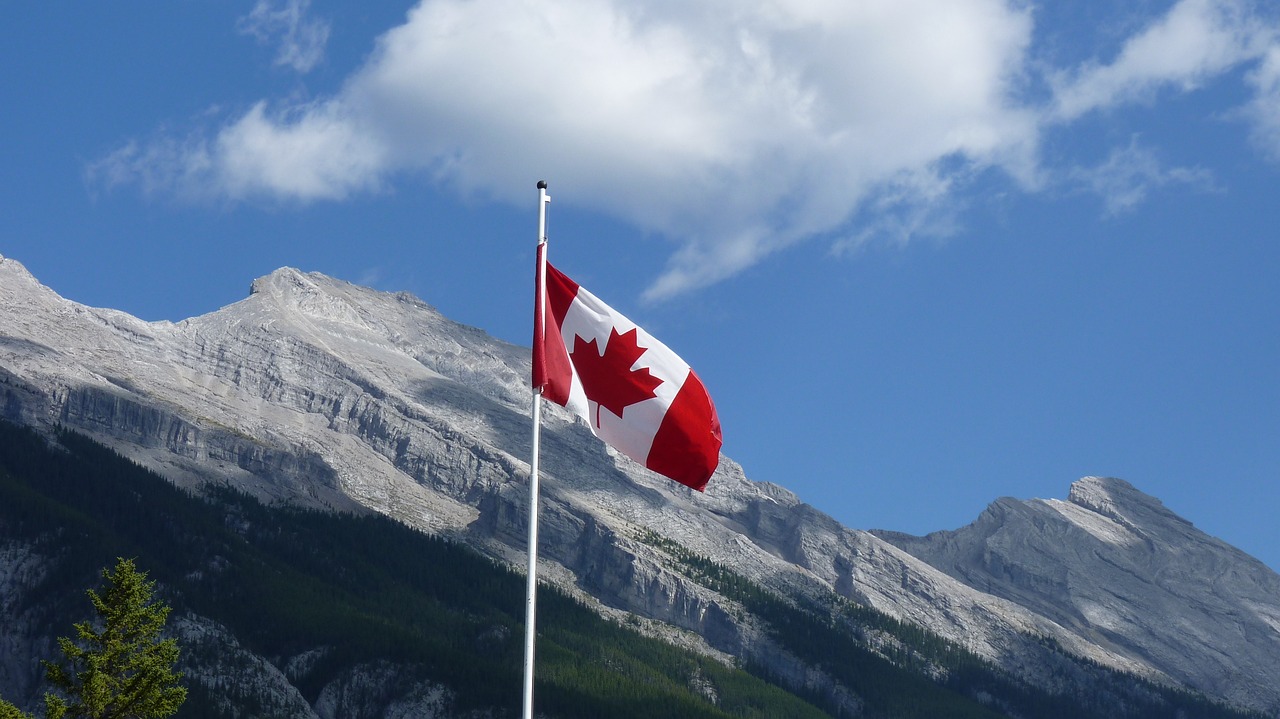
Canada’s current flag was adopted in 1965. Before that, Canada used the Red Ensign with the Union Jack. The maple leaf design was chosen to represent all Canadians. It’s a symbol of unity and pride.
Bilingual Nature

Canada has two official languages: English and French. This bilingual nature reflects the country’s colonial history. French is primarily spoken in Quebec. Being bilingual is a significant part of Canadian identity.
Largest Waterfall
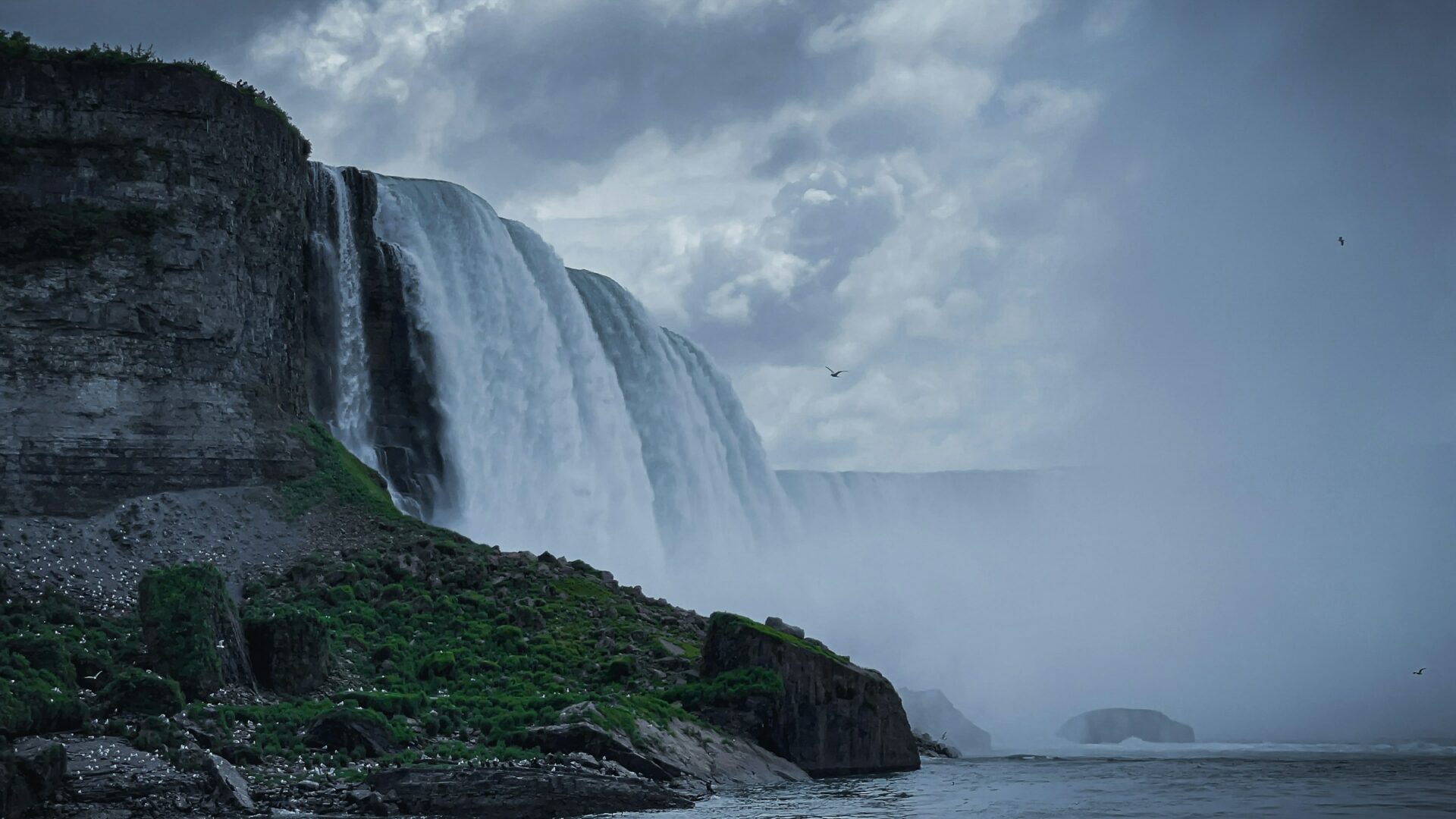
Niagara Falls, located on the border between Ontario and New York, is one of the largest waterfalls in the world. It comprises three falls: Horseshoe Falls, American Falls, and Bridal Veil Falls. Millions of visitors come to see it each year. It’s a natural wonder and a major tourist attraction.
Oldest Company
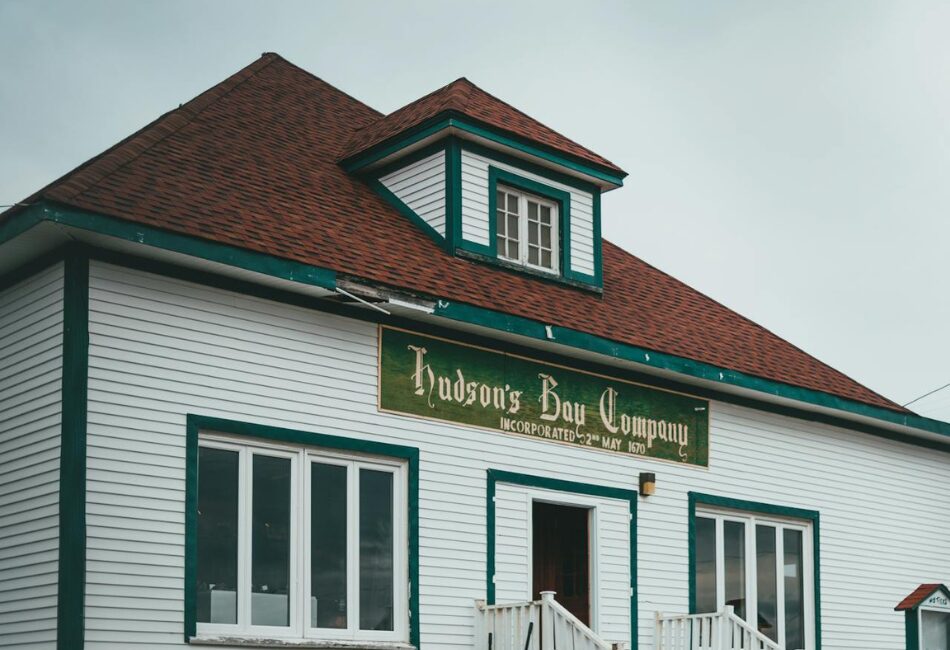
The Hudson’s Bay Company is the oldest commercial corporation in North America. It was founded in 1670. The company played a significant role in the fur trade. Today, it operates department stores across Canada.
Who Made Insulin

Insulin, a life-saving treatment for diabetes, was discovered in Canada. Dr. Frederick Banting and his team made the discovery in 1921. Their work earned them a Nobel Prize. This discovery has saved millions of lives worldwide.
Peacekeeping Efforts

Canada has a long history of peacekeeping. It has participated in numerous United Nations missions around the world. Canadians are proud of their country’s role in promoting peace and security. Peacekeeping is a key part of Canada’s international identity.
Indigenous Contributions
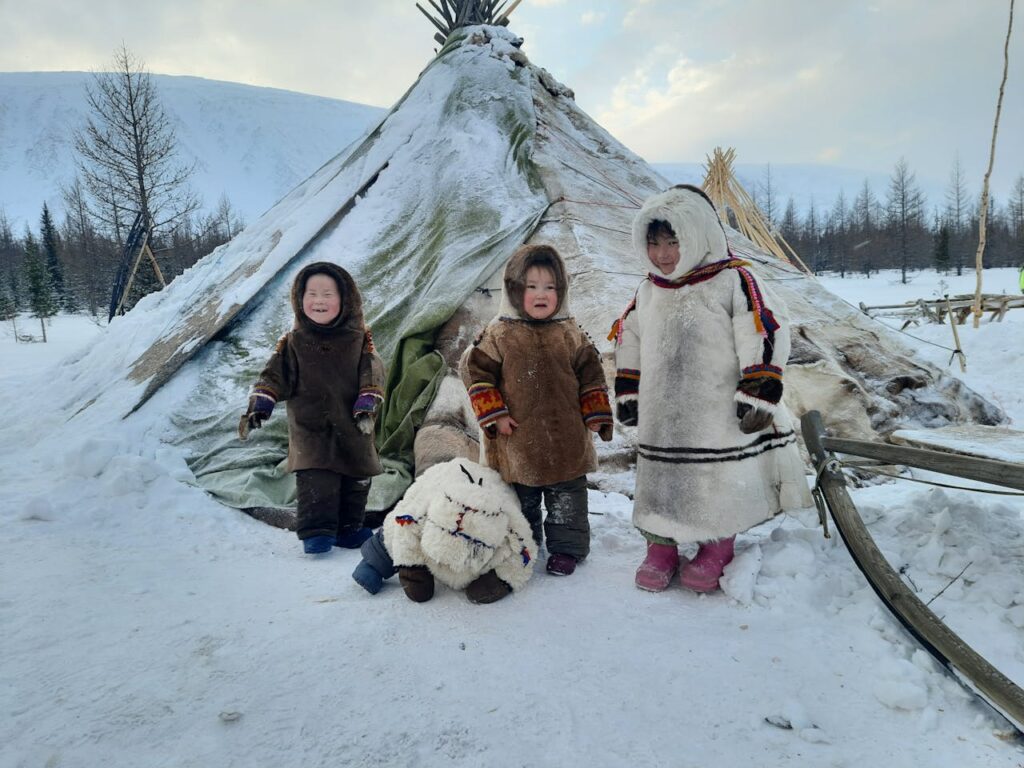
Indigenous peoples have lived in Canada for thousands of years. They have contributed significantly to the country’s culture and history. Many place names, traditions, and knowledge come from Indigenous cultures. Recognizing these contributions is important for understanding Canada’s full history.
Quiet Revolution

The Quiet Revolution was a rapid change in Quebec during the 1960s. It led to significant social, political, and economic reforms. This period strengthened Quebec’s identity within Canada.
15. Know the Role in Space Exploration
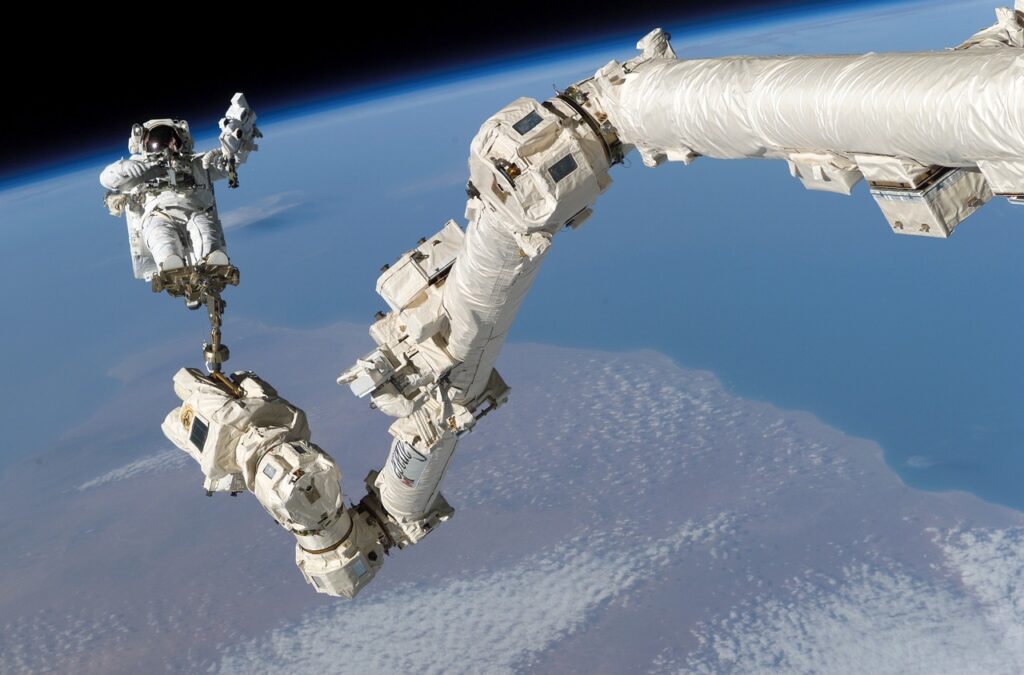
Canada has made notable contributions to space exploration. The Canadarm, a robotic arm used on the space shuttle, was developed by Canadian engineers. It has been crucial for many space missions. Canada continues to be a leader in space technology.
12 Surprising Changes To Your Body When You Stop Smoking

12 Surprising Changes To Your Body When You Stop Smoking
9 Strange Things Canadians Do For Fun