Retirement introduces new financial demands that require thoughtful planning. According to a 2024 HOOPP survey, 26% of Canadians expect to work during retirement to stay afloat. Downsizing has become a practical strategy to strengthen your finances and make retirement more affordable.
Many retirees choose to downsize to boost income and reduce ongoing costs. Smaller homes typically mean lower utility bills, less maintenance, and cheaper property taxes. These savings can make a big difference, freeing up money for travel, healthcare, or simply enjoying life.
Reduced Monthly Housing Costs

Smaller homes typically mean smaller mortgage payments—or none at all if your home sale covers the purchase. A lower home price can lead to major monthly savings right away. You’ll also spend less on utilities, since heating and cooling less space uses far less energy. Together, these cuts can free up hundreds or even thousands of dollars each month.
Decreased Maintenance and Repair Expenses

Ongoing upkeep and repairs can become a major cost as homes get older, especially for retirees on fixed incomes. A smaller home simplifies things, requiring less time, money, and effort to maintain. You’ll likely save on everything from landscaping and snow removal to roof fixes and deep cleaning. Plus, newer downsized homes often avoid the bigger-ticket repairs common in older properties.
Lower Property Taxes and Insurance

Downsizing can shrink your property tax bill because smaller homes usually come with lower valuations. That’s especially helpful in retirement, when every dollar counts. Homeowners insurance costs also tend to go down, since there’s less space to insure and fewer items to protect. Over time, these smaller bills can lead to big savings you’ll feel year after year.
Extra Cash for Retirement Savings

When you downsize, the money left over from your home sale can give your retirement savings a meaningful boost. You may decide to invest it, save it in a tax-advantaged account, or use it to pay down any existing debt. Having this extra financial flexibility can reduce stress and support a more relaxed lifestyle. Whether for leisure, health, or peace of mind, the added cash can go a long way.
Simplified Lifestyle Benefits

Downsizing often means less space to clean and maintain, giving you more time to focus on what really matters in retirement. A smaller home can also help reduce stress by cutting clutter and encouraging a simpler lifestyle. Many retirees find that owning fewer possessions makes life easier to manage. It can also support aging in place, with fewer stairs and a more accessible layout.
Location and Community Advantages

Choosing a retirement community can offer built-in savings through bundled services like maintenance and activities. These conveniences often come at a lower cost than paying for them individually in a typical neighborhood. Retiring in a less expensive area can also reduce your monthly bills. Moving closer to family can ease both financial and emotional burdens.
Reduced Home Equity Line of Credit Payments

Downsizing can help eliminate your Home Equity Line of Credit (HELOC) by using the proceeds from your home sale. Paying off this debt means you no longer have to budget for recurring monthly payments. HELOC costs can add up quickly, especially if you borrowed a significant amount. Removing this financial burden gives you more flexibility and stability during retirement.
Lower Condo Fees and Community Costs

Lower condo fees and community costs are another key benefit of downsizing. Upscale developments or larger homes often come with higher monthly fees that can strain a retirement budget. Choosing a smaller home or moving into a retirement-friendly community can cut those costs significantly. Over time, these savings can total thousands of dollars each year.
Decreased Energy and Utility Costs
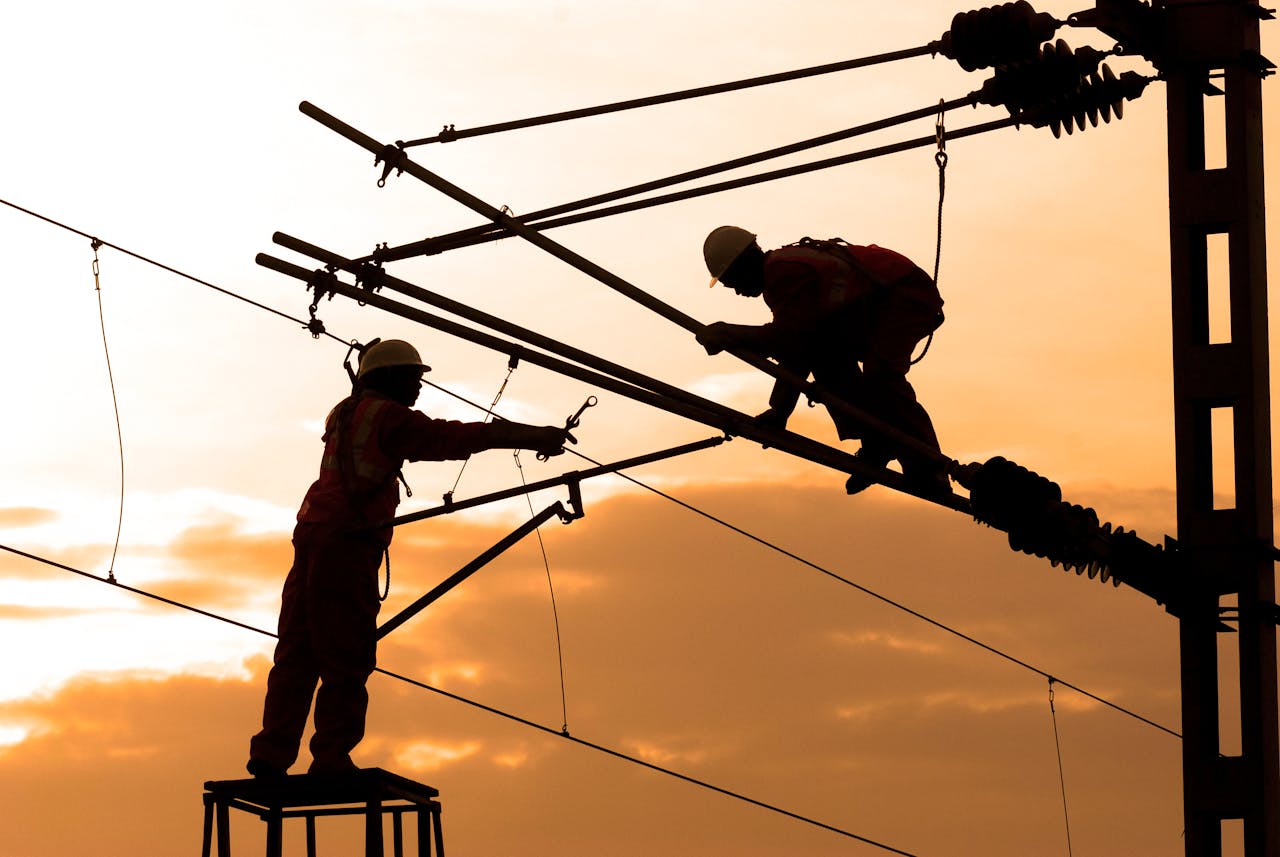
Energy and utility costs are among the most noticeable savings when you downsize to a more manageable home. A smaller home takes less energy to maintain, especially if you upgrade to energy-efficient appliances and systems. Water bills tend to decrease as well, with fewer rooms and smaller outdoor areas to manage. Over time, these reductions can add up to thousands of dollars saved annually.
Reduced Furniture and Furnishing Expenses
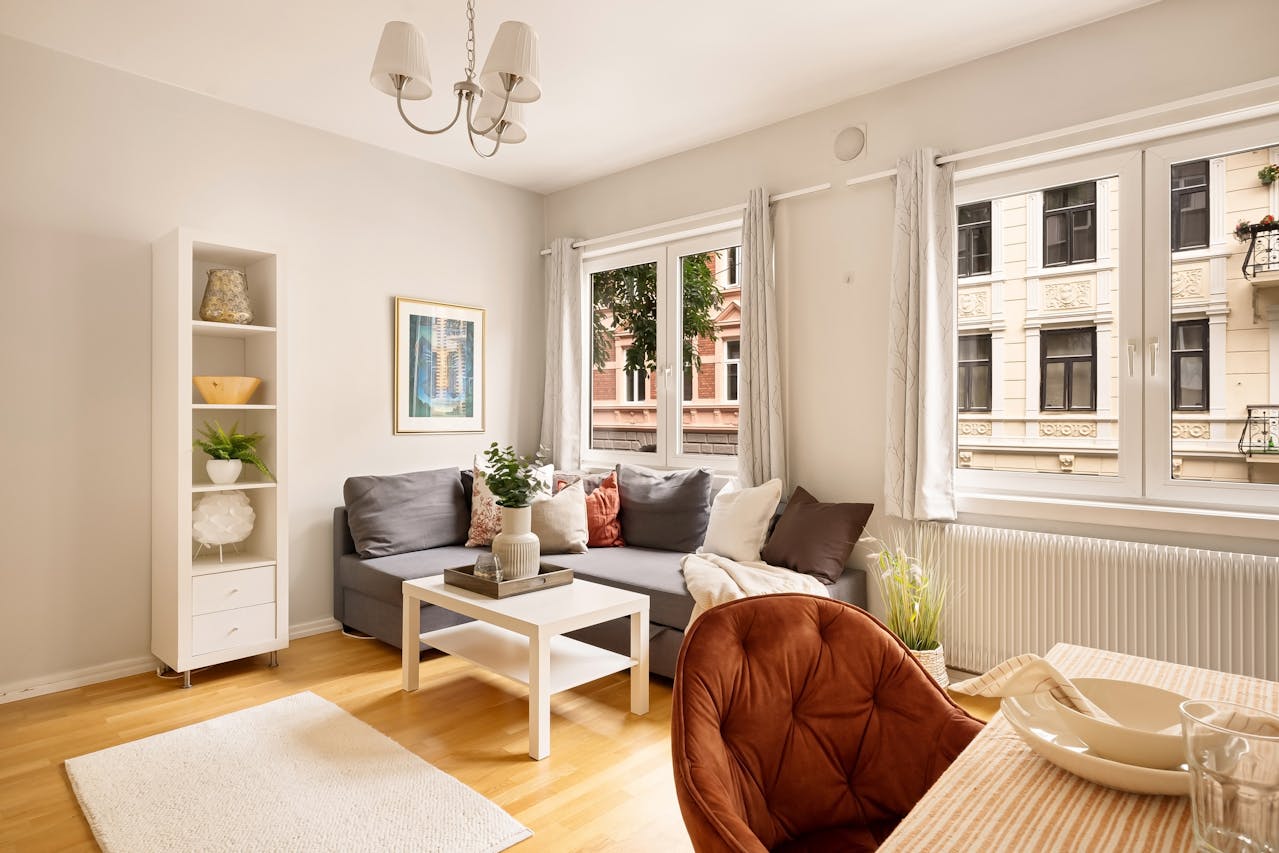
Moving into a smaller home reduces the number of furnishings you need, from large furniture to décor. Often, what you already own fits perfectly, allowing you to avoid additional purchases. Fewer rooms mean fewer items to maintain, clean, or replace in the future. These scaled-back furnishing needs can translate into substantial long-term savings.
Lower Transportation and Commuting Costs
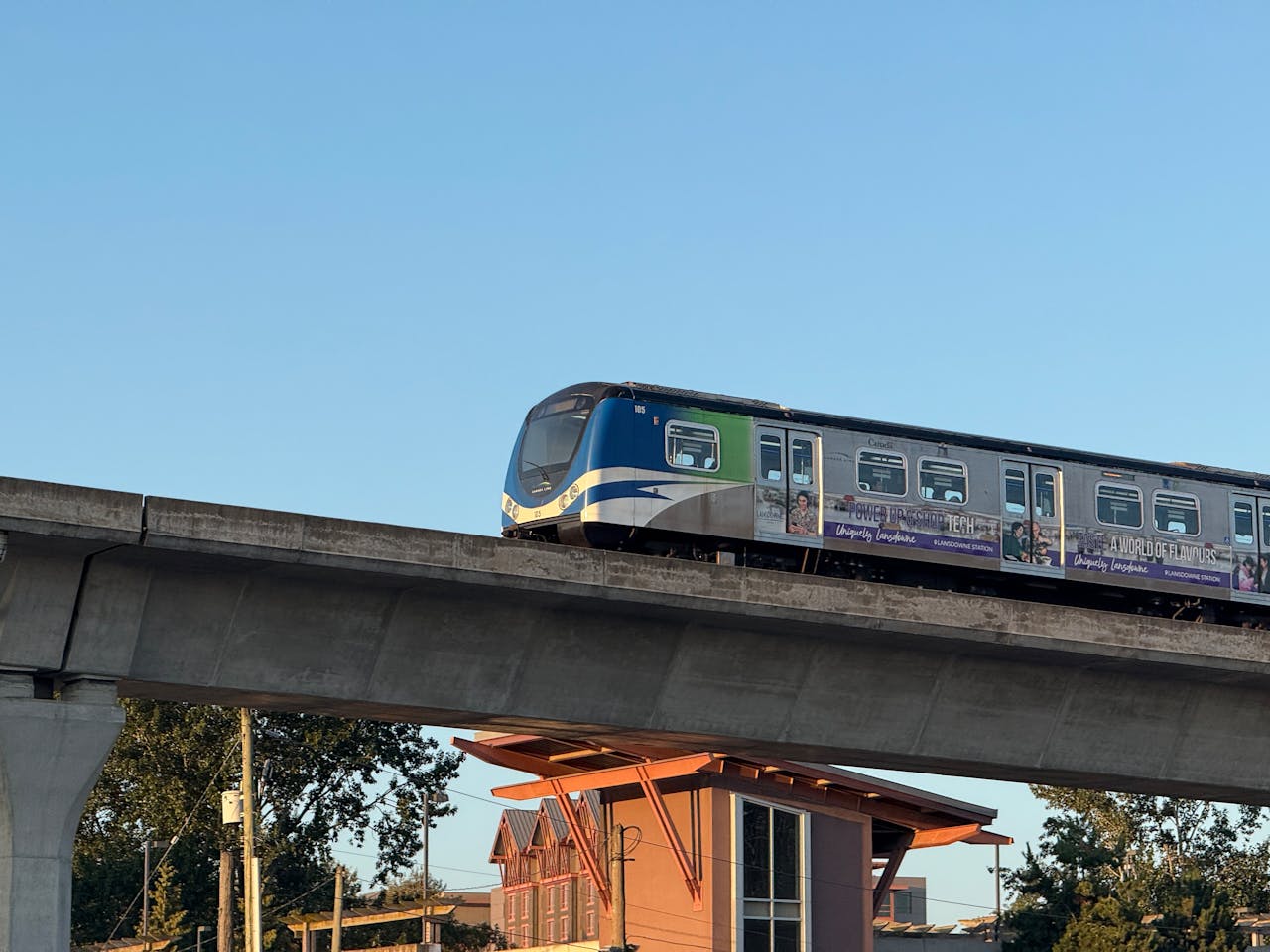
Choosing a more convenient location when downsizing can greatly reduce commuting time and costs. You’ll spend less on gas, maintenance, and parking by living closer to services you use regularly. Retirement communities often include walkable access or shuttle options, limiting car dependence. Fewer vehicles mean more savings and less financial stress month after month.
Tax Advantages and Capital Gains Benefits

Selling your main home in Canada offers a major tax break through the principal residence exemption. This rule lets you avoid capital gains tax on the profit from your primary property. If you own multiple homes, only one qualifies for this exemption per year. For many retirees, this can mean keeping tens or even hundreds of thousands in gains—especially in high-growth areas like Toronto or Vancouver.
Unexpected Costs of Downsizing Your Home in Your Golden Years

18 Unexpected Costs of Downsizing Your Home in Your Golden Years