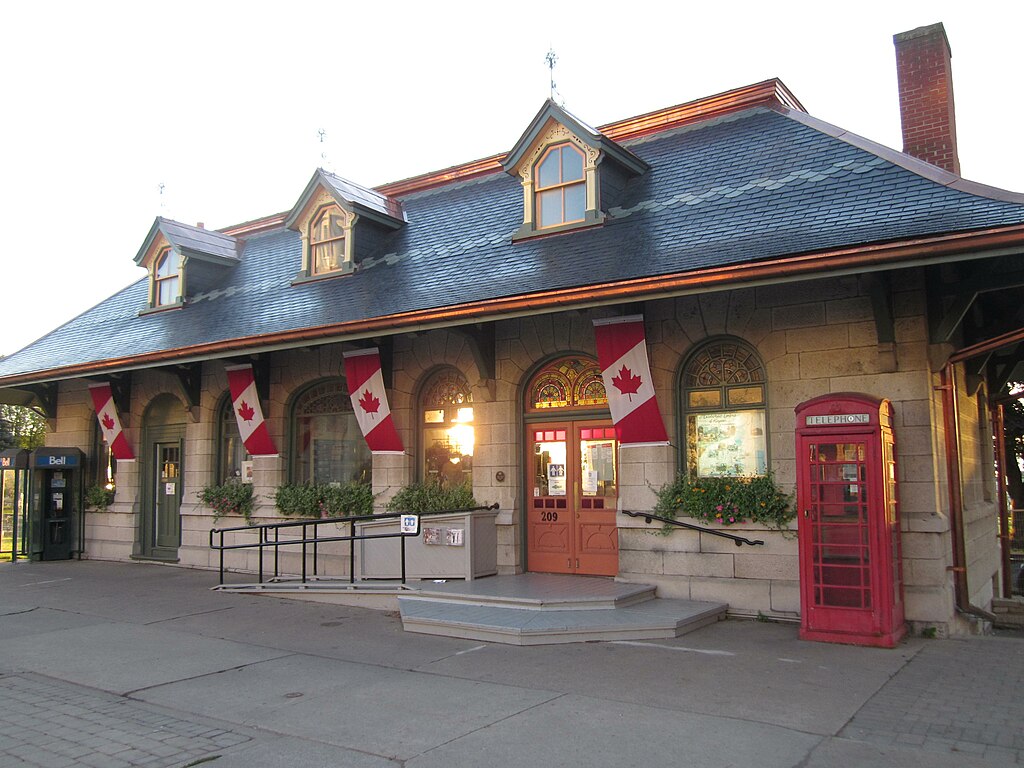
Good news for house hunters: Royal LePage’s 2026 Most Affordable Canadian Cities report found that 61 of 62 major cities became more affordable since 2024. With the national aggregate home price at $812,900 in early 2026, the cities on this list offer homes at roughly half that price, or even less.
Royal LePage ranks each city by how much of a typical household’s monthly income goes toward a mortgage, assuming a 20% down payment and a 4.64% fixed rate over 25 years. All 15 cities on this list keep that share under 31%, and a few stay under 20%.
Lethbridge, Alberta

Just 18.9% of monthly household income covers a mortgage in this southern Alberta city, the lowest share in the country. Buyers pay an aggregate price of $338,700, which works out to about $1,521 a month. Because the city grows at a slow, steady pace, builders have kept up with demand. Residents also enjoy easy road trips to Calgary and the Rockies, while education, government, and food production provide stable jobs.
Saint John, New Brunswick

With an aggregate price of just $265,900, this New Brunswick port city has the cheapest homes on the list. A monthly payment of about $1,194 takes only 19.6% of household income, a big drop compared with 25.1% in 2024. Buyers need roughly $53,180 for a 20% down payment. Few places in Canada offer an easier first step into homeownership.
Thunder Bay, Ontario
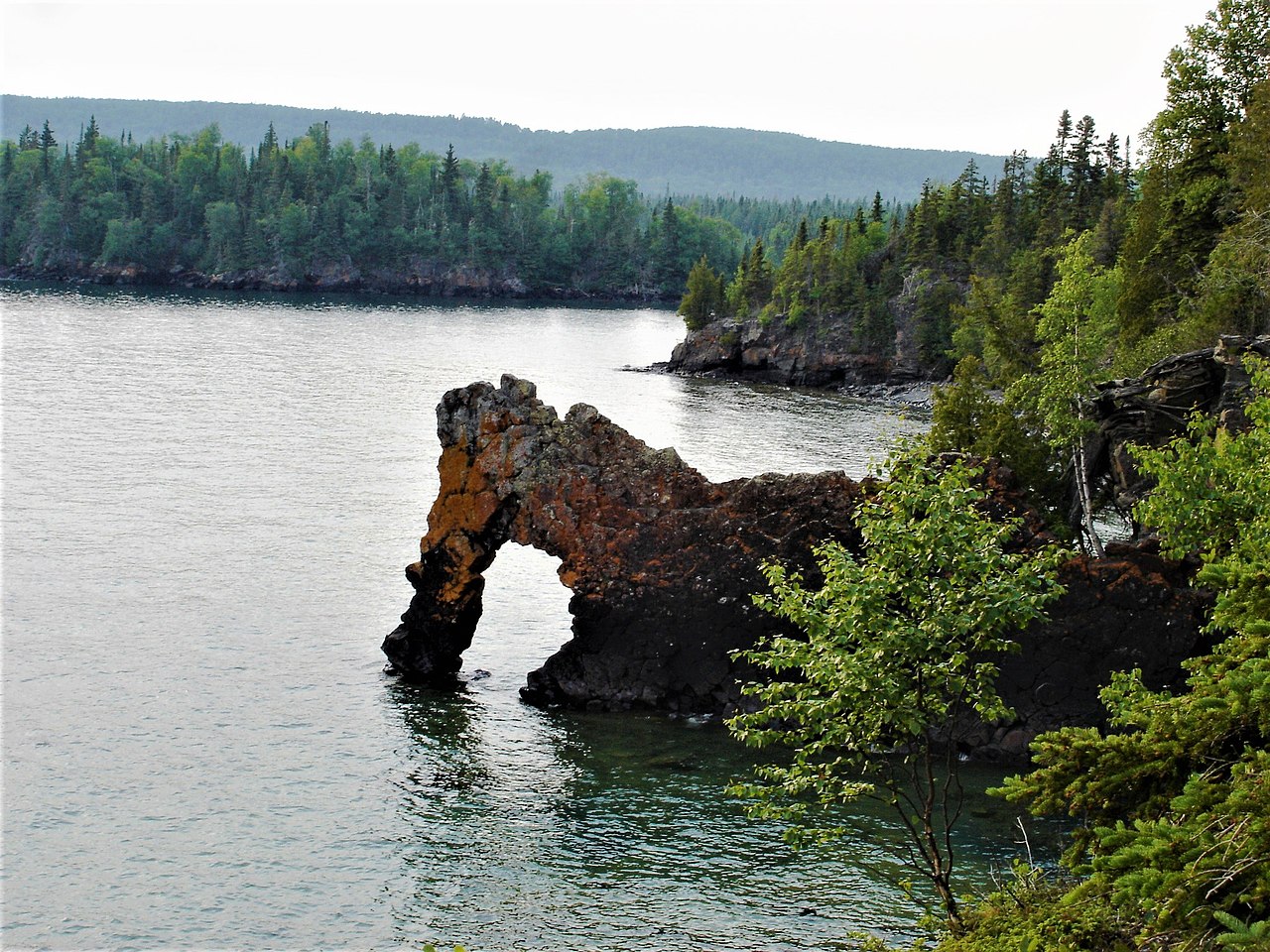
Two years ago, this Lake Superior city held the title of Canada’s most affordable market. Today it sits third, mostly because other cities improved faster. Homes carry an aggregate price of $339,900, and the $1,526 monthly payment takes up 20.3% of income. Toronto-area survey respondents rank it as their second favourite place to move.
Red Deer, Alberta
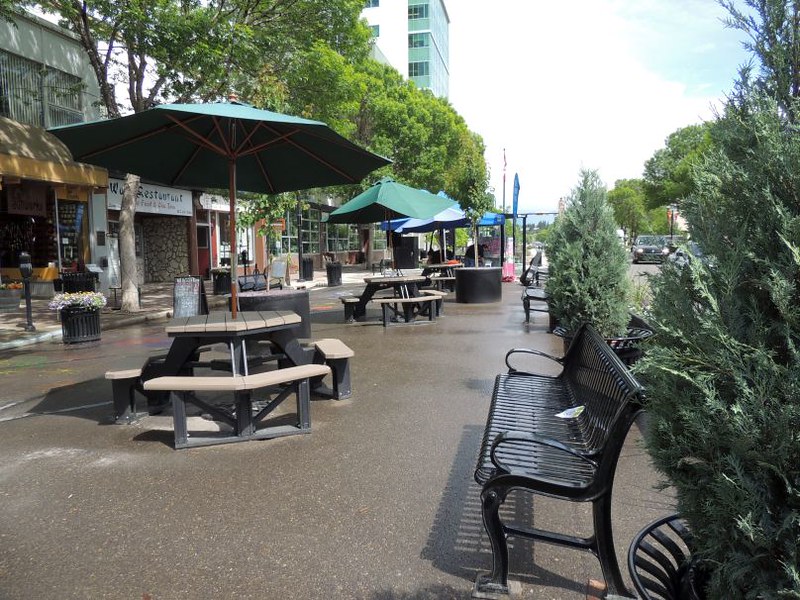
Red Deer sits about halfway between Calgary and Edmonton and gives you plenty of house for the money. The aggregate price is $447,200, with a monthly payment of about $2,008, or 24.9% of income. Its affordability barely changed from 25.7% in 2024 because prices were already low. Alberta’s higher median household income of $96,600 also makes payments easier to handle.
Regina, Saskatchewan
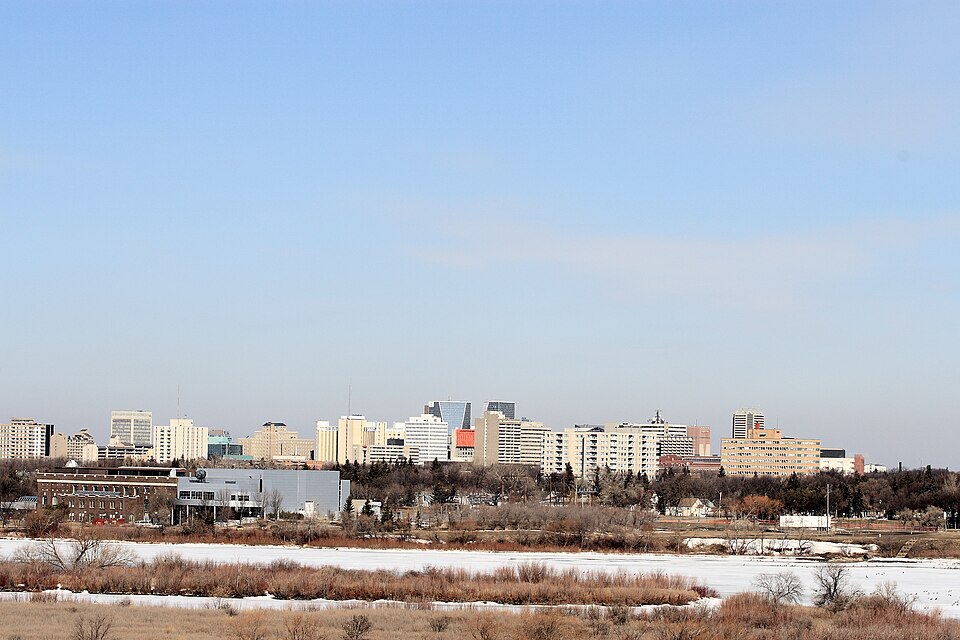
Saskatchewan’s capital made solid gains, as the mortgage share of income fell to 25.0% this year after sitting at 29.1% in 2024. Buyers face an aggregate price of $397,900 and a monthly payment of around $1,787. Local agents report the tightest inventory they’ve ever seen, which keeps pushing prices up. Even so, many families can own a home and still afford a cottage or rental property.
St. John’s, Newfoundland and Labrador
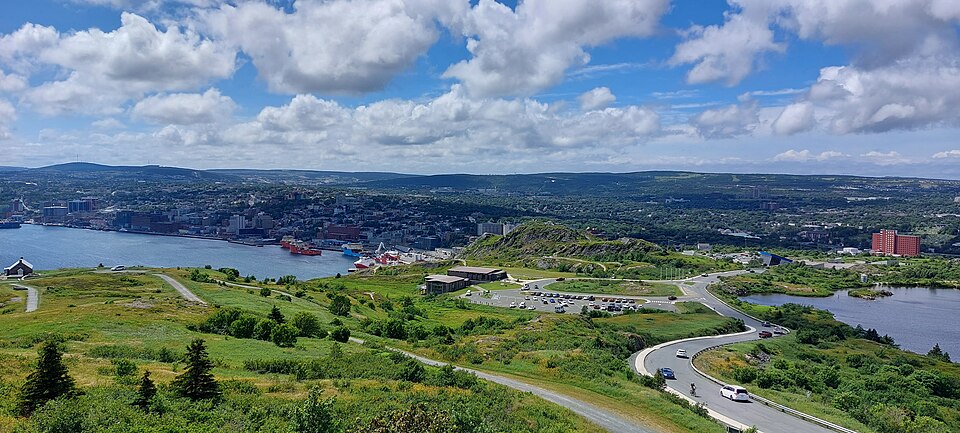
St. John’s ranks sixth, with 26.3% of income needed for a mortgage, down from 30.1% in 2024. The aggregate price is $377,900, or about $1,697 a month. Prices jumped after a wave of newcomers in 2021 and 2022 but are expected to level off as more homes hit the market. It was also the second favourite pick among Greater Vancouver respondents.
Edmonton, Alberta

People in Toronto and Vancouver name this Alberta capital as their top dream move, and the numbers show why. An aggregate price of $472,300 brings a monthly payment of about $2,121, or 26.3% of income, compared with 28.9% in 2024. Many nearby communities sit about 20 minutes from downtown, and an expanded LRT system helps residents get around. The North Saskatchewan River valley adds a huge network of trails and parks.
Trois-Rivières, Quebec

Halfway between Montreal and Quebec City, this riverside city asks buyers for 27.3% of household income, down slightly from 28.5% in 2024. The aggregate price of $400,100 means a payment of about $1,797 a month. Home values here have been catching up to the rest of Quebec, which explains its small slip in the ranking. Big employers like the Université du Québec and the hospital network keep jobs steady, and 25% of Montreal-area respondents would consider a move.
Fredericton, New Brunswick
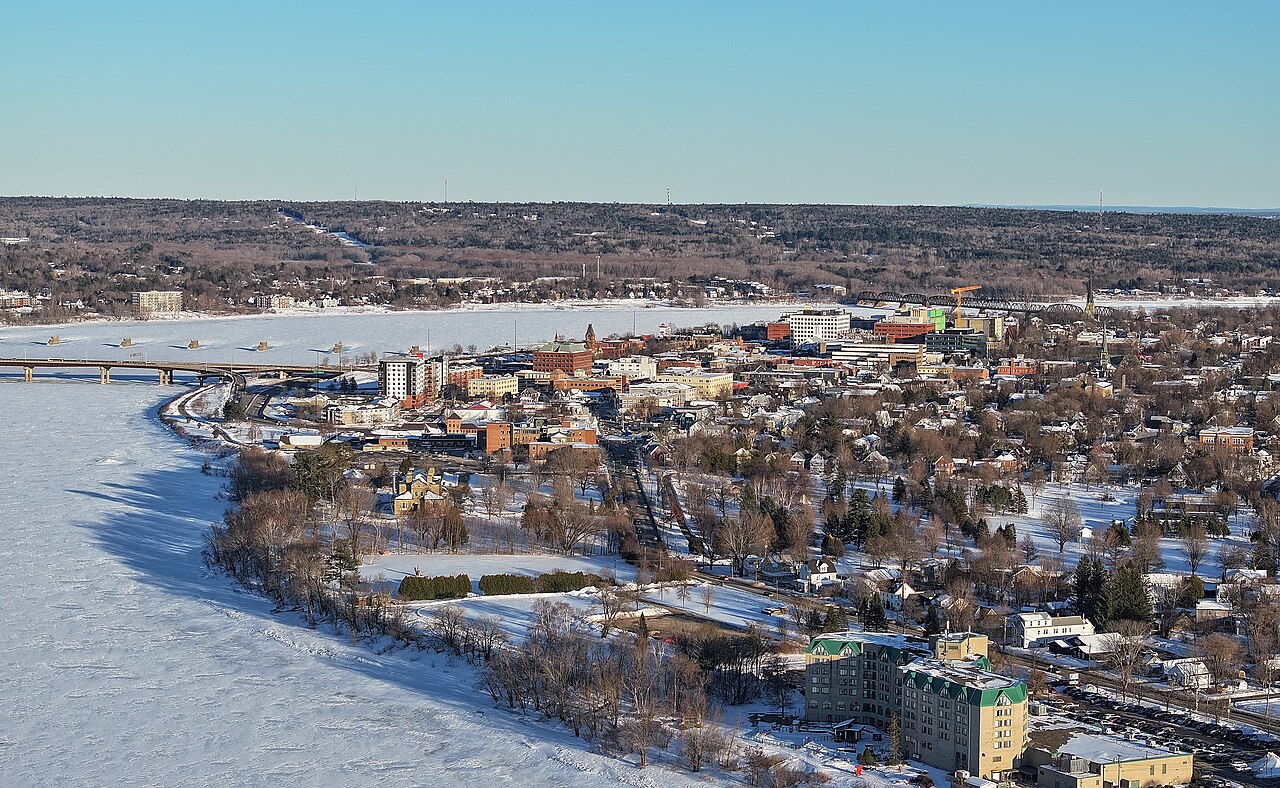
Fredericton mixes a relaxed university-town feel with the perks of a provincial capital. The aggregate price is $377,200, and the $1,694 monthly payment uses 27.8% of income. That’s down from 32.0% in 2024, one of the stronger gains on the list. Buyers keep coming for the slower pace and outdoor lifestyle.
Winnipeg, Manitoba

Winnipeg delivers big-city amenities at a price that still feels within reach. The aggregate price is $424,500, and the $1,906 monthly payment takes 27.9% of income, down from 31.8% in 2024. The city has strong job sectors in trucking, business, and healthcare. Buyers often bid over asking this spring, so it pays to get your financing ready early.
Windsor-Essex, Ontario

No city on this list improved more than this southwestern Ontario region. Its mortgage share dropped nearly eight points, landing at 28.7% after reaching 36.4% in 2024. Buyers pay an aggregate price of $480,500, or about $2,158 a month. Toronto-area respondents noticed, with 14% saying they’d consider buying a home there.
Saskatoon, Saskatchewan

Prices run higher here than in Regina, yet this Prairie city still costs far less than the national aggregate price of $812,900. Households need 28.8% of their income for a mortgage, a clear drop compared with 32.7% two years ago. An aggregate price of $458,000 works out to a monthly payment of about $2,057. Buyers who want a growing city with a major university will find a great balance of cost and opportunity.
Sherbrooke, Quebec
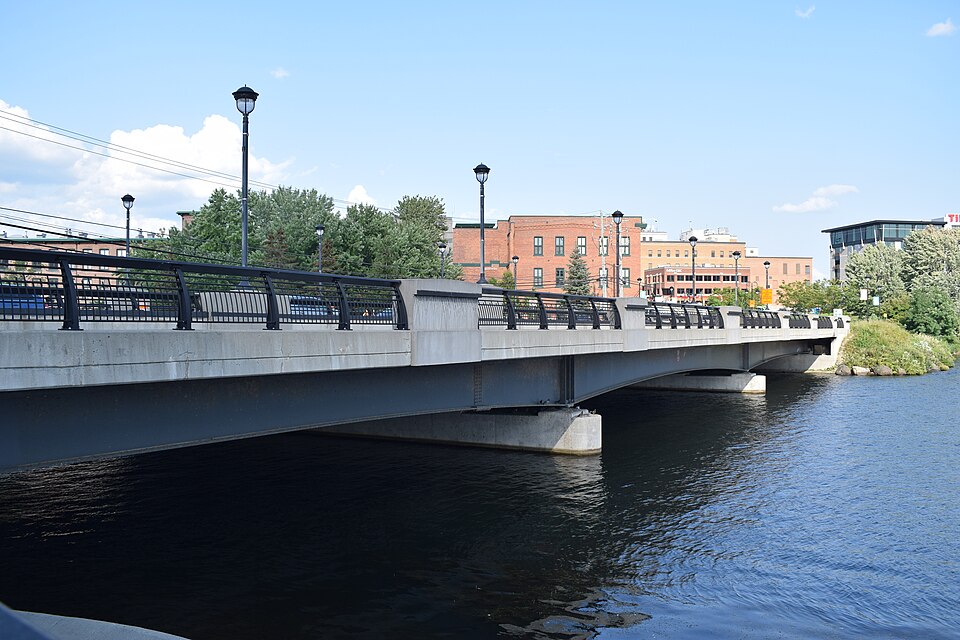
Montreal-area respondents picked this Eastern Townships city as their top choice, with 29% open to buying there. A monthly payment of about $1,900 on an aggregate price of $423,200 takes 28.9% of income, compared with 30.8% in 2024. Montrealers, Quebec City residents and retirees keep moving in faster than builders can add homes. Good schools, a university hospital and nearby lakes and mountains make the appeal easy to see.
Moncton, New Brunswick
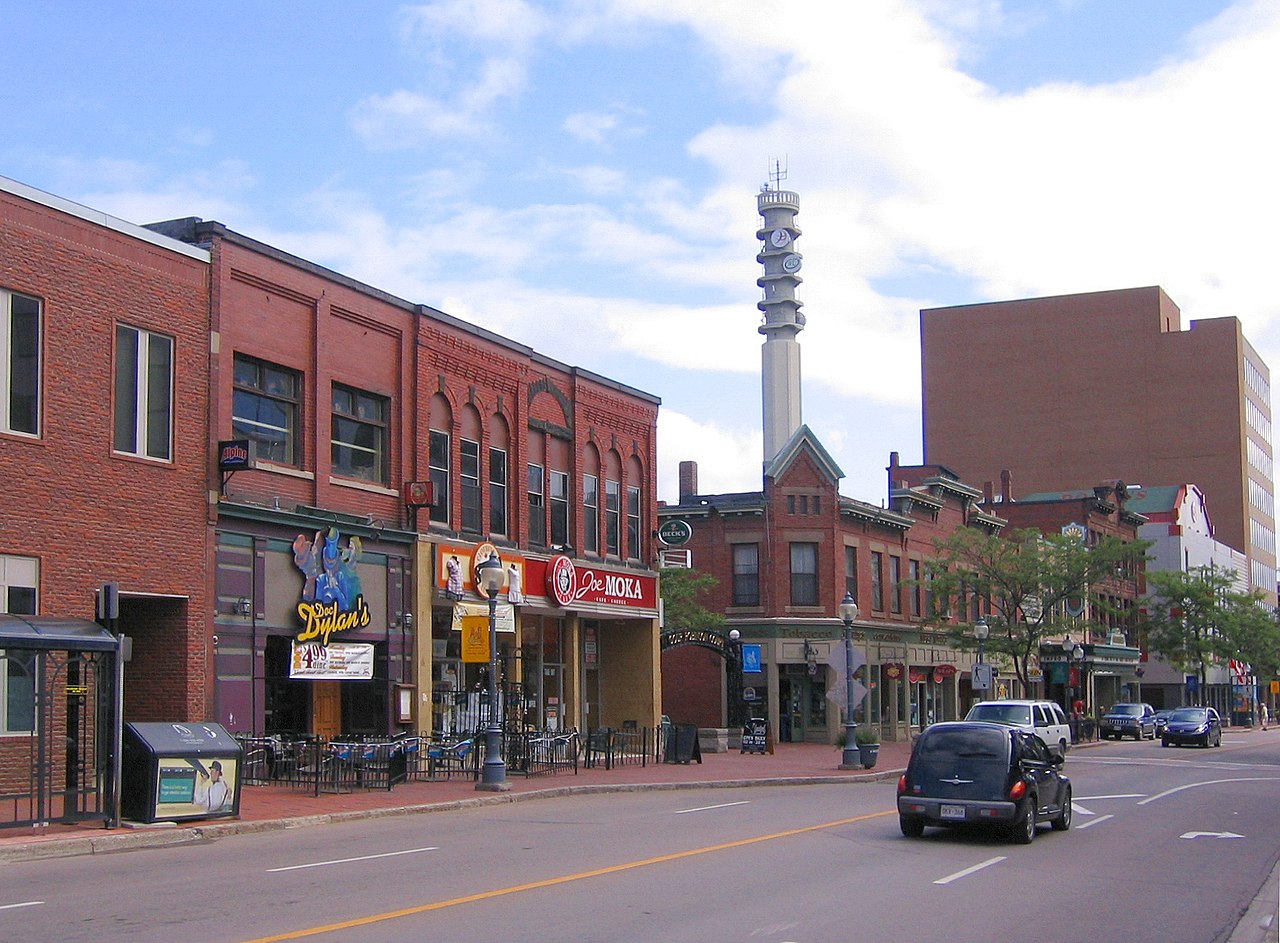
Moncton’s mortgage share fell from 36.9% of household income in 2024 to 29.5% in 2026. The aggregate price is $399,300, or about $1,793 a month. That’s the second-biggest improvement on the list. As the third New Brunswick city here, it shows the province is still one of Canada’s best housing bargains.
Charlottetown, Prince Edward Island
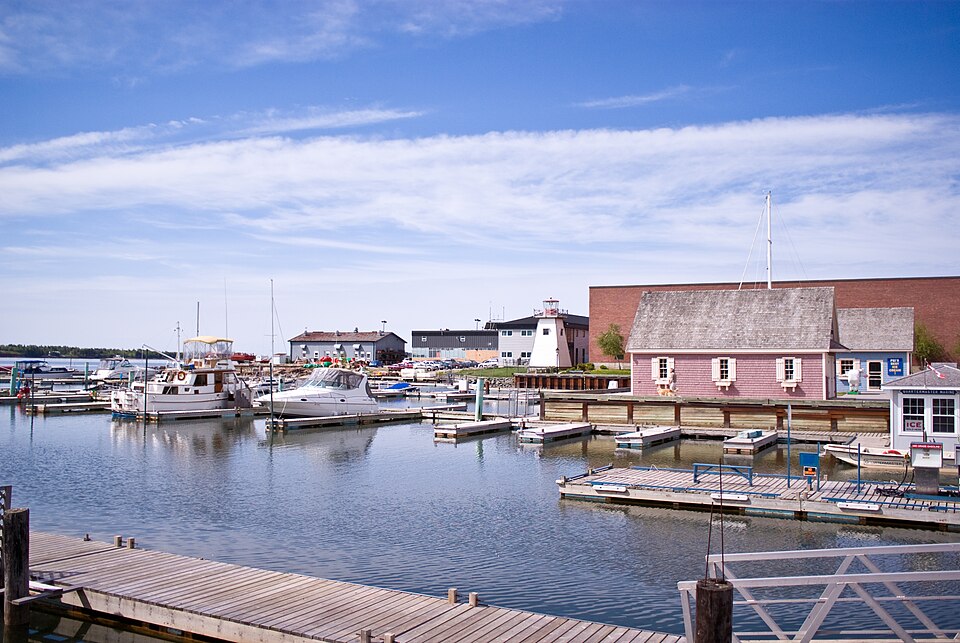
Prince Edward Island’s capital rounds out the top 15, asking buyers for 30.6% of income compared with 36.6% in 2024. Its aggregate price of $428,200 translates to a monthly payment of about $1,923. Respondents in the Toronto, Montreal, and Vancouver areas all ranked it among their top three picks. Small-city charm and ocean views make it easy to see why.
The most walkable cities in Canada