We live in a world that treats boredom like a disease that needs constant curing. The moment we feel unstimulated, we reach for our phones, turn on Netflix, or find something to keep our minds busy. But what if we’ve been getting boredom all wrong? What if those empty moments we try so hard to avoid are actually essential for our mental health and creativity?
The constant need to stay entertained might actually be robbing us of some surprising benefits that only come when we allow ourselves to be genuinely, completely bored. Understanding why boredom matters can help us embrace those quiet moments instead of running from them. Your brain has been waiting for permission to wander, and the results might surprise you.
Your Brain Gets a Chance to Reset

When you’re bored, your brain isn’t actually doing nothing – it’s entering what scientists call the “default mode network.” This is like your brain’s screensaver, but instead of pretty pictures, it’s busy organizing thoughts, processing emotions, and making sense of recent experiences.
This mental downtime is crucial for psychological health. Your brain uses these quiet moments to file away memories, work through problems, and clear out mental clutter.
Creativity Flows More Freely

Some of history’s best ideas have come during moments of complete boredom. When your mind isn’t occupied with specific tasks, it starts making unexpected connections between different thoughts and experiences. This is where creative breakthroughs often happen.
Boredom removes the pressure to think in structured, logical ways. Your brain starts wandering down random paths, combining ideas that might never meet during focused work time.
You Actually Get to Know Yourself Better

Constant entertainment and stimulation can drown out your inner voice. When you’re always consuming content or staying busy, you rarely get quiet moments to check in with your own thoughts and feelings.
Boredom creates space for self-reflection that’s hard to find otherwise. You might discover what you actually enjoy versus what you do out of habit. You could realize what’s been bothering you or what you’re genuinely excited about.
Your Focus and Attention Actually Improve
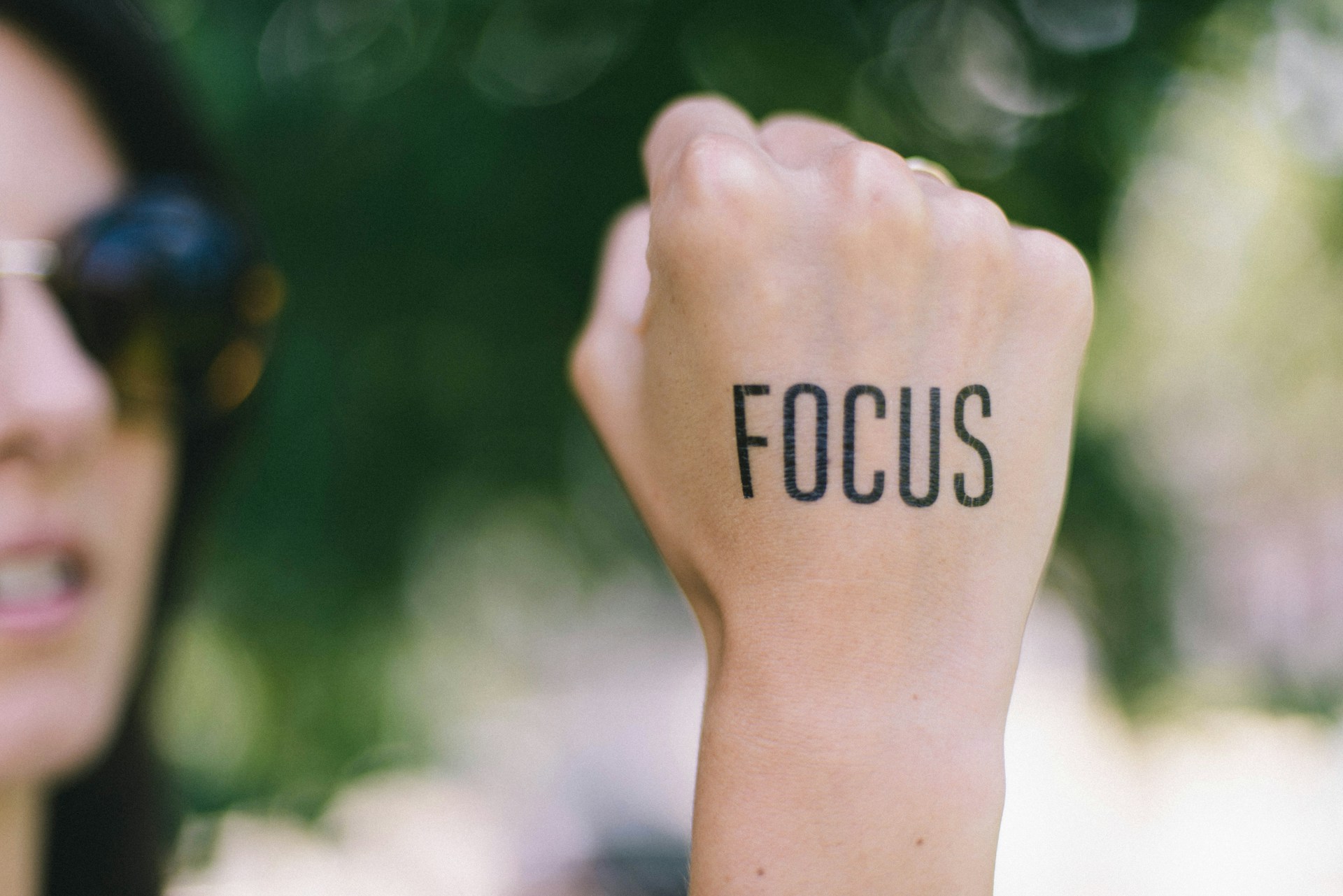
Paradoxically, allowing yourself to be bored can make you better at concentrating when you need to. Constant stimulation trains your brain to expect entertainment, making it harder to focus on tasks that require sustained attention.
When you regularly experience boredom, you build tolerance for unstimulating activities. This makes it easier to stick with challenging work, have longer conversations, or engage deeply with complex ideas.
People who are comfortable with boredom often have better attention spans and can work on difficult tasks for longer periods. They’ve trained their brains that not every moment needs to be exciting or entertaining.
You Stop Needing Constant External Validation

Always seeking entertainment or stimulation can become a form of dependency. You start needing external sources to feel okay, whether that’s social media, streaming services, or constant social interaction.
Boredom teaches you to be comfortable with your own company and your own thoughts. This builds psychological independence and reduces anxiety about being alone or unstimulated.
Problems Get Solved Without Effort

When you’re actively trying to solve a problem, your brain often gets stuck in the same thinking patterns. Boredom allows your subconscious mind to work on issues in the background while your conscious mind relaxes.
Many people report sudden solutions appearing during boring activities like showering, walking, or waiting in line. This happens because your brain continues processing problems even when you’re not actively thinking about them.
You Become More Grateful for Interesting Experiences

Constant entertainment can lead to a kind of stimulation inflation – you need increasingly exciting experiences to feel engaged. Boredom acts as a reset button for your appreciation levels.
When you regularly experience unstimulating moments, simple pleasures become more satisfying. A good conversation, an interesting book, or even a decent movie can feel genuinely engaging rather than just okay.
This heightened appreciation makes life more enjoyable overall. Instead of constantly seeking bigger thrills, you can find satisfaction in everyday experiences that might have felt boring when you were overstimulated.
Your Memory and Learning Actually Get Better

Your brain consolidates memories and learning during downtime, not during active study or experience. Those boring moments between activities are when your brain transfers information from short-term to long-term memory.
Constant stimulation interferes with this natural memory consolidation process. If you’re always moving from one activity to another without breaks, your brain doesn’t get time to properly store what you’ve learned.
You Sleep Better and Feel More Rested

Overstimulation throughout the day can make it harder for your brain to wind down at night. When you’re constantly entertained or busy, your mind stays in an activated state that makes quality sleep difficult.
Regular periods of boredom help your nervous system practice being calm and unstimulated. This makes the transition to sleep more natural and restful.
People who are comfortable with boredom often report better sleep quality and feeling more refreshed. Their brains have practiced the skill of being quiet and still, which translates to better rest.
Goals and Priorities Become Clearer

When you’re always busy or entertained, it’s easy to lose sight of what actually matters to you. Boredom creates mental space to evaluate whether you’re spending time on things that align with your values and long-term goals.
During boring moments, you might realize you’ve been avoiding important tasks or relationships. You could discover that some activities you thought you enjoyed are just habits or ways to avoid dealing with other issues.
Surprising Benefits of Taking a Cold Shower