Canadian grocery bills have hit wallet-crushing heights, and many everyday items now cost more than they should. Food prices across the country continue climbing due to supply chain disruptions, weather challenges, and increased transportation costs. While some price increases reflect genuine market conditions, others represent poor value that smart shoppers can easily avoid.
By identifying which products offer terrible value and knowing their affordable alternatives, you can cut hundreds of dollars from your annual food budget. These strategic substitutions will help you eat well while keeping more money in your pocket.
Pre-cut vegetables and fruits

Grocery stores charge premium prices for basic knife work that takes just minutes at home. Pre-packaged chopped vegetables and sliced fruits carry massive markups that can triple your produce costs. The plastic packaging also reduces freshness and creates unnecessary waste. These convenience products often cost $8-12 per kilogram compared to $2-4 for whole vegetables.
Buy instead: Whole vegetables and fruits that you prep yourself. Invest in a good knife and cutting board, then spend 10 minutes on Sunday preparing your week’s vegetables. You’ll save money, get fresher produce, and reduce plastic waste at the same time.
Individual yogurt cups

Compare the math and you’ll discover that single-serving yogurt containers cost significantly more per gram than large tubs. The individual packaging adds manufacturing and transportation costs that get passed directly to consumers. Many single-serve options also contain more sugar and artificial ingredients than plain yogurt varieties. A 650g tub typically costs the same as 4-5 individual cups despite containing twice the yogurt.
Buy instead: Large plain yogurt containers and add your own toppings like fresh fruit, honey, or granola. This approach gives you control over sweetness levels while delivering better value and nutrition. Store portions in reusable glass containers for grab-and-go convenience.
Brand-name cereals

Marketing budgets drive up cereal costs without improving nutritional value or flavor. Popular cereal brands often charge double the price of store-brand equivalents that taste nearly identical. Many name-brand cereals also contain more sugar and artificial colors than necessary. Generic versions typically offer the same vitamins and minerals at 40-60% less cost.
Buy instead: Store-brand cereals or bulk oats for homemade granola. Most grocery chains produce high-quality generic cereals that match national brands ingredient for ingredient. Alternatively, make your own granola with oats, nuts, and honey for maximum savings and customization.
Out-of-season berries

Winter berry prices reach astronomical heights due to greenhouse growing costs and long-distance shipping. These imported berries often lack flavor and spoil quickly despite their premium price tags. A small container of strawberries can cost $6-8 in January compared to $2-3 during summer peak season. The carbon footprint and reduced nutrition make them poor choices year-round.
Buy instead: Frozen berries or seasonal local fruit. Frozen berries maintain their nutritional value and work perfectly in smoothies, baking, and oatmeal. During winter, focus on apples, pears, and citrus fruits that store well and cost less than exotic imports.
Imported specialty cheeses

Transportation costs and import duties artificially inflate cheese prices by 200-300% over domestic alternatives. Artisanal and imported cheeses command premium prices that often exceed their actual quality improvements. Fancy packaging and foreign origins create perceived value that doesn’t match reality. Many Canadian cheese producers create world-class products that rival European imports at a fraction of the price.
Buy instead: Local artisanal cheeses or well-aged Canadian varieties. Quebec and Ontario produce outstanding cheeses that compete with European standards. Visit farmers’ markets or specialty shops to discover regional cheese makers who offer superior value and freshness.
Energy and sports drinks

Sugar, caffeine, and artificial ingredients make up most energy drinks that cost $3-5 per serving. These products deliver poor nutritional value while creating expensive daily habits. The marketing targets young consumers with claims about performance enhancement that rarely deliver meaningful benefits. Regular consumption drains budgets quickly without providing lasting health benefits.
Buy instead: Homemade electrolyte drinks or plain coffee for caffeine needs. Mix water with a pinch of salt, lemon juice, and honey for natural hydration. Coffee provides sustained energy without the sugar crash and costs significantly less per serving.
Gluten-free packaged foods

Manufacturers exploit dietary restrictions by charging 2-4 times more for gluten-free products. These items typically contain more processed ingredients while providing less nutrition than whole-grain alternatives. Many gluten-free products rely heavily on rice flour and starches that lack essential nutrients. The market markup takes advantage of people with genuine medical needs.
Buy instead: Naturally gluten-free whole foods like rice, quinoa, potatoes, and certified oats. Focus on fresh produce, lean proteins, and naturally gluten-free grains rather than processed substitutes. This approach provides better nutrition at lower costs while avoiding unnecessary additives.
Individual snack packages
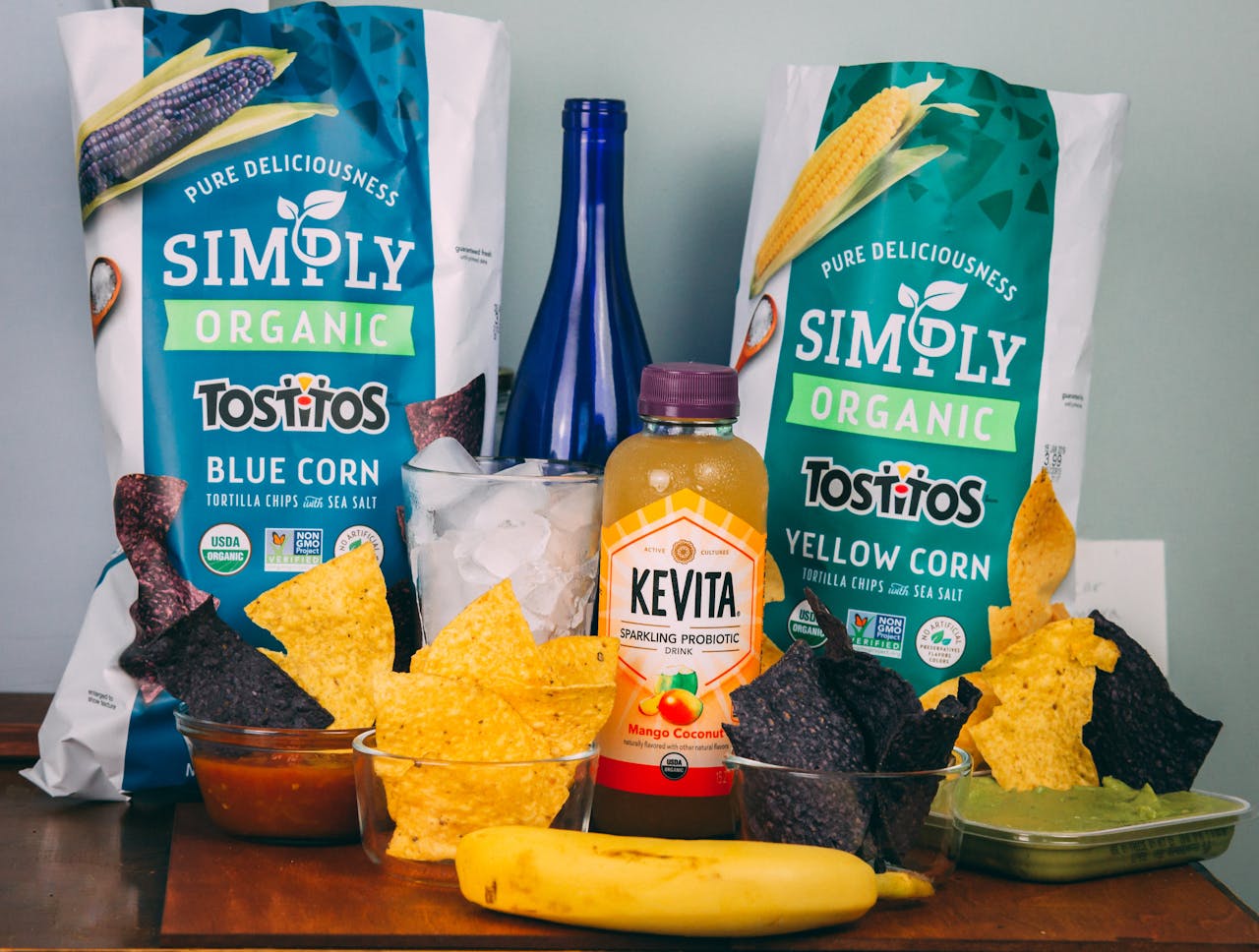
Excessive packaging drives up costs while creating unnecessary waste in single-serving snacks. These portion-controlled packages often contain 20-30 grams of product but cost the same as 200-gram bulk packages. The convenience factor doesn’t justify the massive price premium for most consumers. Manufacturing and distribution costs multiply when products require individual wrapping.
Buy instead: Bulk snacks that you portion into reusable containers. Buy large bags of nuts, crackers, or dried fruit and divide them into weekly portions. This method saves money while reducing packaging waste and giving you control over portion sizes.
Fresh herbs in plastic containers

Expensive herbs in tiny plastic containers often wilt before you can use them completely. Pre-packaged fresh herbs cost $3-5 for small amounts that provide enough seasoning for just one or two recipes. The herbs frequently deteriorate quickly due to poor storage conditions and extended shelf time. Growing conditions and packaging methods often compromise flavor and freshness.
Buy instead: Dried herbs for cooking or grow your own fresh varieties. Dried herbs provide concentrated flavors that work well in most cooked dishes. Consider starting a small herb garden on your windowsill or balcony for year-round fresh options that cost pennies per use.
Bottled water

Canadian municipal water supplies generally exceed bottled water quality while costing more per liter. Bottled water represents one of the worst values in grocery stores despite aggressive marketing campaigns. The plastic bottles create environmental waste and require significant energy for production and transportation.
Buy instead: A quality water filter and reusable bottles. Install an under-sink or pitcher filter system that removes chlorine taste and odors. This investment pays for itself within months while providing unlimited clean water and reducing plastic waste.
Prepared salad mixes
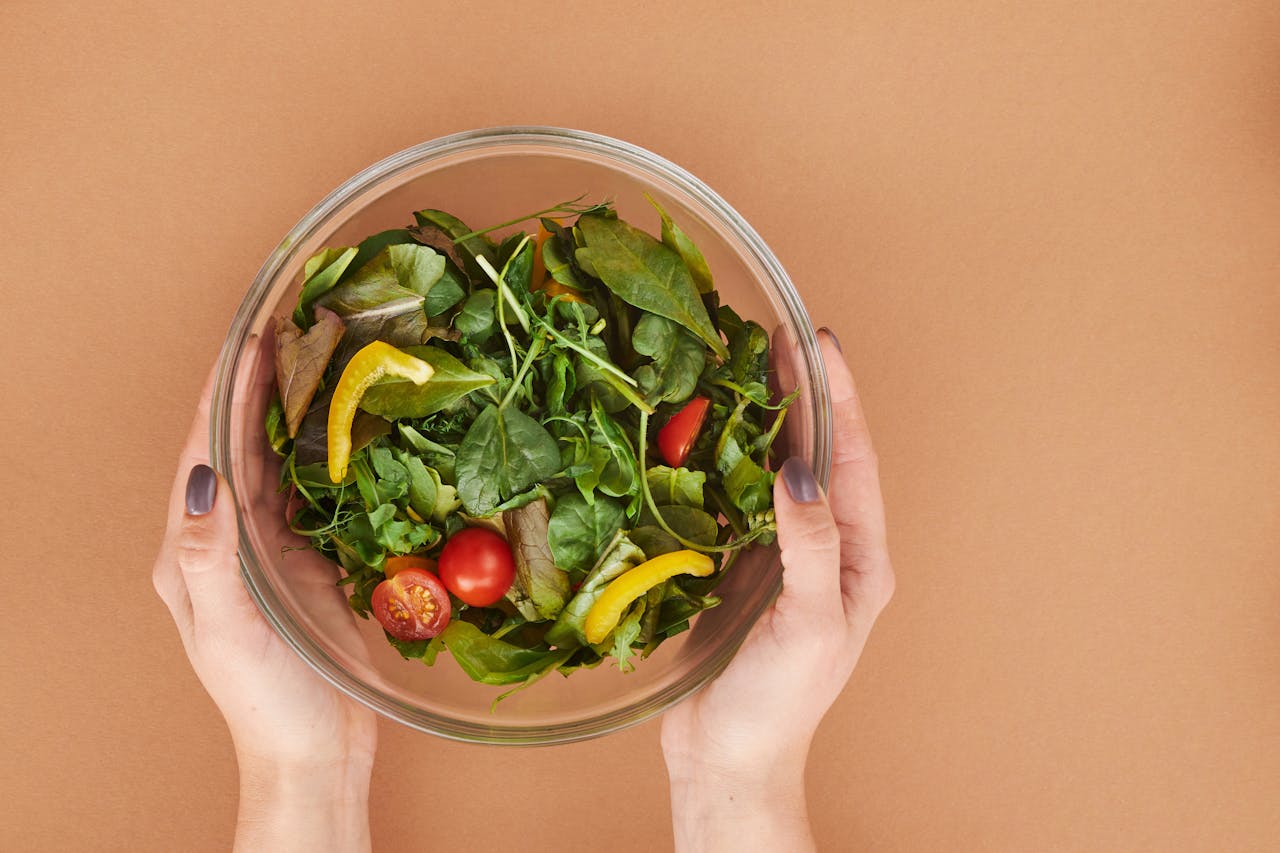
Washing and chopping lettuce yourself costs a fraction of pre-bagged salad prices. Bagged salad mixes charge premium prices for basic greens that require minimal preparation at home. These products often contain preservatives and modified atmosphere packaging that extends shelf life but may affect nutritional content. Pre-washed salads also spoil faster than whole heads of lettuce despite their higher prices.
Buy instead: Whole heads of lettuce, spinach bunches, or other fresh greens. Wash and prep salads yourself to ensure freshness and save substantial money. Store washed greens in paper towel-lined containers to maintain crispness throughout the week.
Gourmet ice cream

Small container sizes make premium ice cream particularly expensive for regular consumption. Premium ice cream brands charge luxury prices for products that often contain similar base ingredients to mid-range options. The higher prices mainly reflect marketing, packaging, and brand positioning rather than significantly better production methods.
Buy instead: Quality store-brand ice cream or make your own frozen treats. Most grocery store brands offer excellent ice cream at half the price of premium options. Alternatively, make frozen yogurt bark, fruit popsicles, or simple ice cream at home for maximum savings and ingredient control.
Single-use kitchen gadgets

Storage space disappears quickly when you buy specialized tools that serve only one purpose. Specialized kitchen tools marketed for single functions often cost more than versatile alternatives that handle multiple tasks. These gadgets typically provide limited utility compared to basic equipment that works for various cooking needs.
Buy instead: Multi-purpose tools and quality basic equipment. Invest in good knives, cutting boards, and versatile cookware that handle multiple tasks effectively. A sharp chef’s knife replaces dozens of specialized cutting gadgets while providing better results and requiring less storage space.
Coconut water

Natural coconut water costs significantly more than other hydration options while providing similar electrolyte benefits. Single-serving containers of coconut water can cost $2-4 despite containing mainly water and natural sugars. The tropical marketing appeals to health-conscious consumers who pay premium prices for perceived exotic benefits.
Buy instead: Homemade electrolyte drinks or plain water with added minerals. Mix water with sea salt and lemon for natural electrolyte replacement. This combination provides similar hydration benefits at a tiny fraction of coconut water prices.
Protein bars

Convenience stores and health food sections charge $2-5 for protein bars that contain mostly oats, nuts, and sweeteners. These portable snacks often provide less protein per dollar than whole food alternatives like nuts or eggs. Many commercial protein bars also contain artificial ingredients and excess sugar that compromise their nutritional value.
Buy instead: Homemade energy balls or mixed nuts for portable protein. Combine dates, nuts, and protein powder to make your own bars at home. This method provides better nutrition, fewer additives, and significant cost savings compared to commercial options.
Pre-marinated meats

Grocery store marinades often contain excessive sodium and preservatives, while adding $2-4 per pound to meat prices. Pre-marinated meats charge premium prices for simple seasoning blends that take minutes to prepare at home. The marinades frequently mask lower-quality cuts of meat while creating perceived value through convenience.
Buy instead: Plain cuts of meat with homemade marinades. Purchase quality meat and create your own marinades using oil, vinegar, herbs, and spices. This method ensures freshness, controls sodium content, and saves money while providing superior flavor customization.
Canada’s most overpriced grocery items (and their affordable alternatives)

Canada’s most overpriced grocery items (and their affordable alternatives)