Alberta is seeing a new population boom that’s drawing attention nationwide. In 2024, it gained a record 202,000 people, leading Canada in internal migration. Job opportunities, lower taxes, and more affordable housing than Toronto or Vancouver are pulling people west.
However, history shows Alberta’s booms rarely last long. In early 2025, 21,335 people moved to Alberta from other provinces—a 16.8% drop from the year before, according to the Alberta Economic Dashboard. Economic uncertainty looms, and the factors attracting newcomers now could drive them away when the cycle shifts.
Economic Opportunities and Job Growth

The GDP of Alberta is projected to grow 2.5% in 2024 and 2.7% in 2025, according to Alberta Treasury Branches. Oil remains a key driver, with rising production and improved pipeline access. The tech and renewable energy sectors in the province are also expanding quickly, adding job variety. This growth is attracting workers seeking higher pay and career advancement.
Lower Cost of Living

Alberta remains affordable, partly due to no provincial sales tax. Groceries, utilities, and transport costs are generally lower than in Ontario or British Columbia. Rent for a two-bedroom apartment is expected to average around 1,700 in 2025, which is cheaper than Toronto or Vancouver. This mix of lower expenses and higher wages attracts many families and young professionals.
Housing Market Advantages

Alberta’s average home price reached $464,955 in May 2025, up 5.9% year-over-year, according to the REALTORS® Association of Edmonton. While prices are rising, they remain well below those in Toronto or Vancouver. Affordability, steady growth, and active construction are drawing buyers from across the country. But as demand accelerates and supply tightens, these advantages may not last.
Favorable Tax Environment

There’s no provincial sales tax in Alberta, making everyday purchases like cars and clothes cheaper than in most other provinces. Its income tax rates are among the lowest in Canada, especially benefiting middle and high earners. Low corporate taxes attract businesses, which helps create more jobs and economic growth. This lighter tax burden lets residents keep more of their income and build wealth faster.
Quality of Life Factors
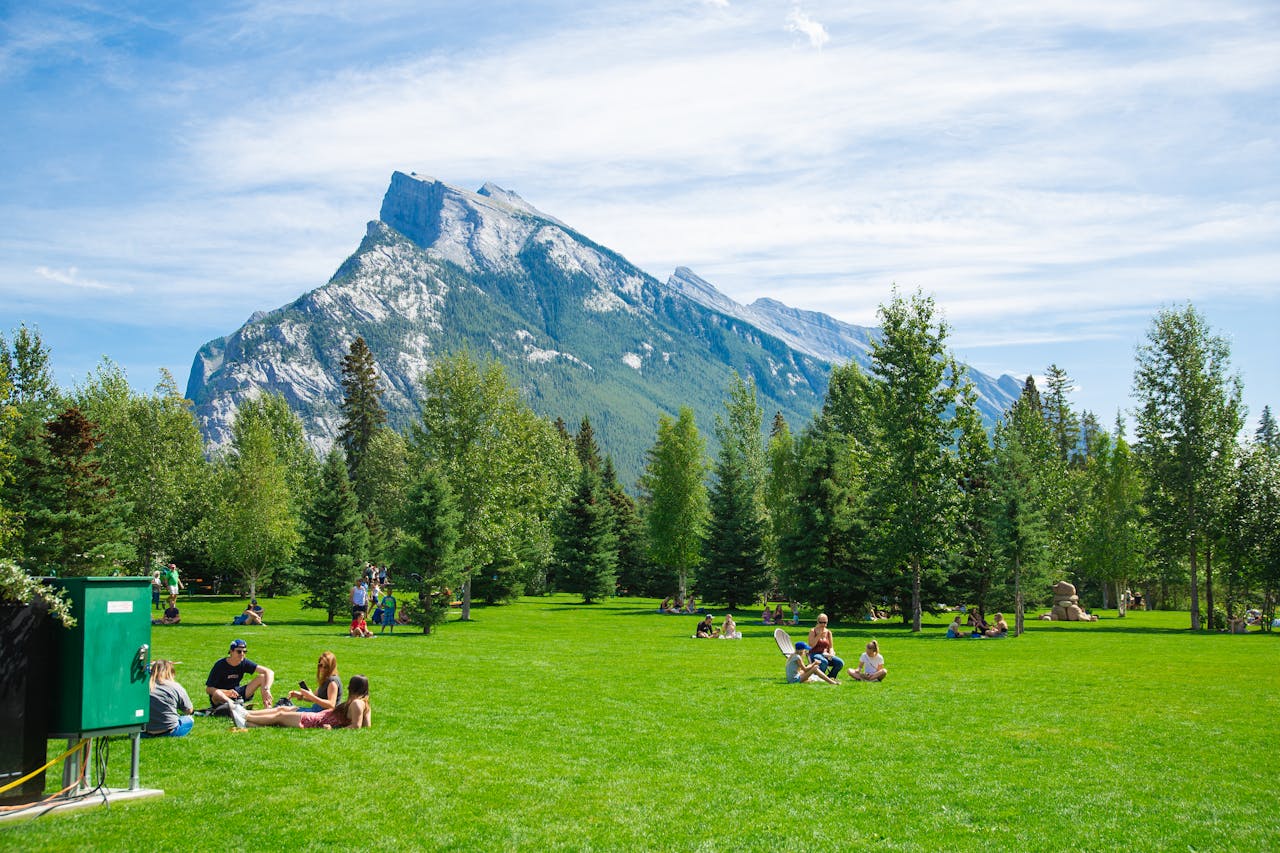
Alberta offers great outdoor recreation, from the Rocky Mountains to lakes and forests near major cities. Calgary and Edmonton provide big-city amenities with a more relaxed pace than Toronto or Vancouver. Traffic is usually manageable, and commutes are shorter, giving people more free time. Many appreciate the strong sense of community and neighborliness in Alberta’s towns and cities.
Economic Volatility and Oil Dependence

While Alberta’s economy ended last year on solid footing, it now faces challenges from trade policies and tariffs. The province remains heavily reliant on oil and gas prices, which can swing widely due to global events. When energy prices fall, unemployment rises quickly, and many jobs disappear just as fast. This boom-and-bust cycle has been a repeated theme throughout Alberta’s history.
Rising Housing Costs

Alberta’s rapid population growth is putting pressure on housing supply and affordability. A growing share of renters now spend over 30% of their income on housing, raising concerns about cost burdens. Buyer competition is increasing, with bidding wars becoming more common in high-demand areas. If supply continues to lag, housing costs could begin to resemble those in more expensive cities.
Infrastructure and Service Strain

Due to the rapid population growth, the province is now straining schools, hospitals, and public services, causing longer wait times and lower service quality. Traffic congestion is increasing in major cities as roads can’t keep up with more residents. Public transit is running at capacity, and expansions take years to finish. Smaller communities are losing their charm as growth outpaces infrastructure.
Climate and Environmental Concerns

Extreme weather like wildfires, floods, and harsh winters are happening more often, causing ongoing problems. Air quality worsens seasonally due to industrial pollution and wildfire smoke. Alberta’s role as a major oil producer fuels political and environmental debates. Climate change also threatens agriculture and water resources, posing long-term challenges.
Political and Policy Uncertainty
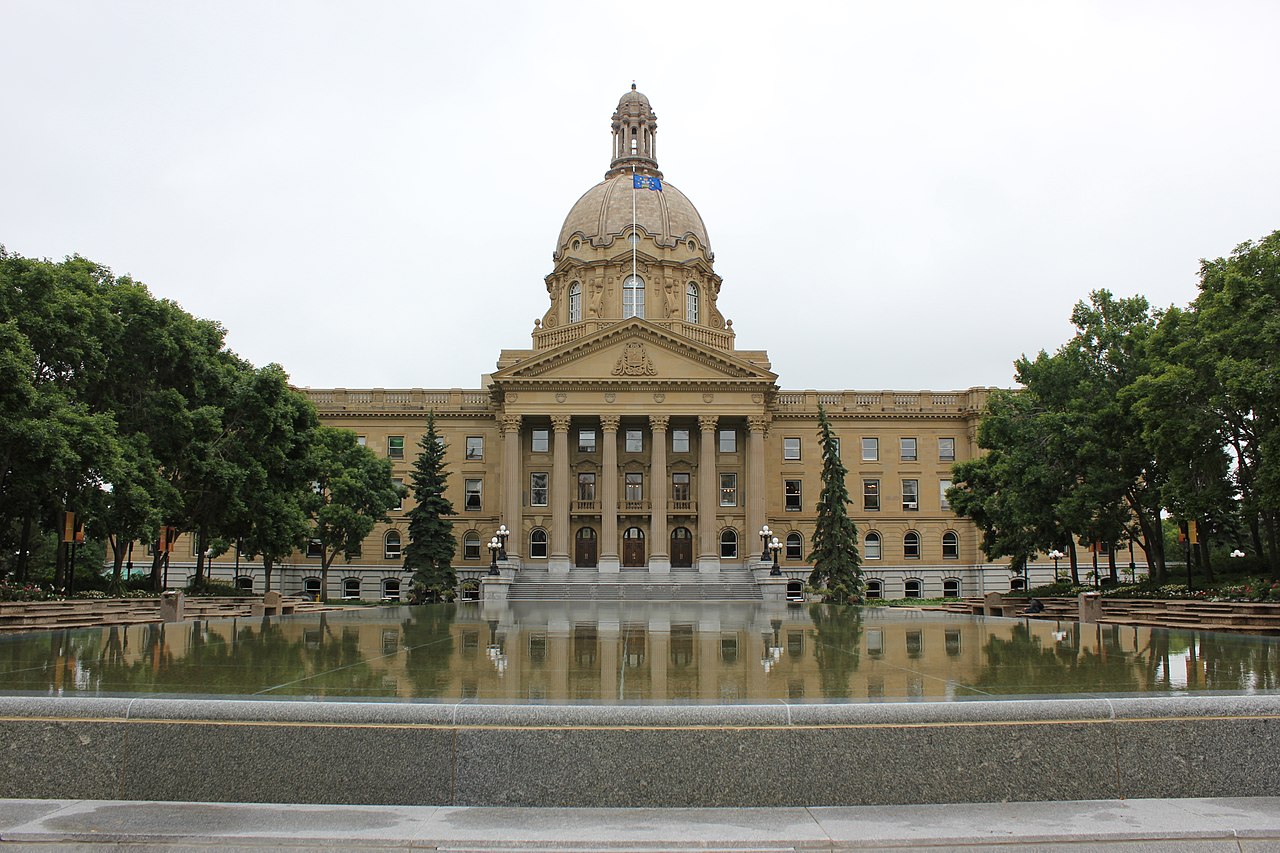
The province’s relationship with the federal government creates ongoing uncertainty for business investment and planning. Changes in environmental rules, carbon pricing, and energy policies can greatly affect the economy. Political tensions often lead to conflicts that increase uncertainty for businesses. Shifts in the political landscape impact tax policies and infrastructure priorities.
Limited Economic Diversification
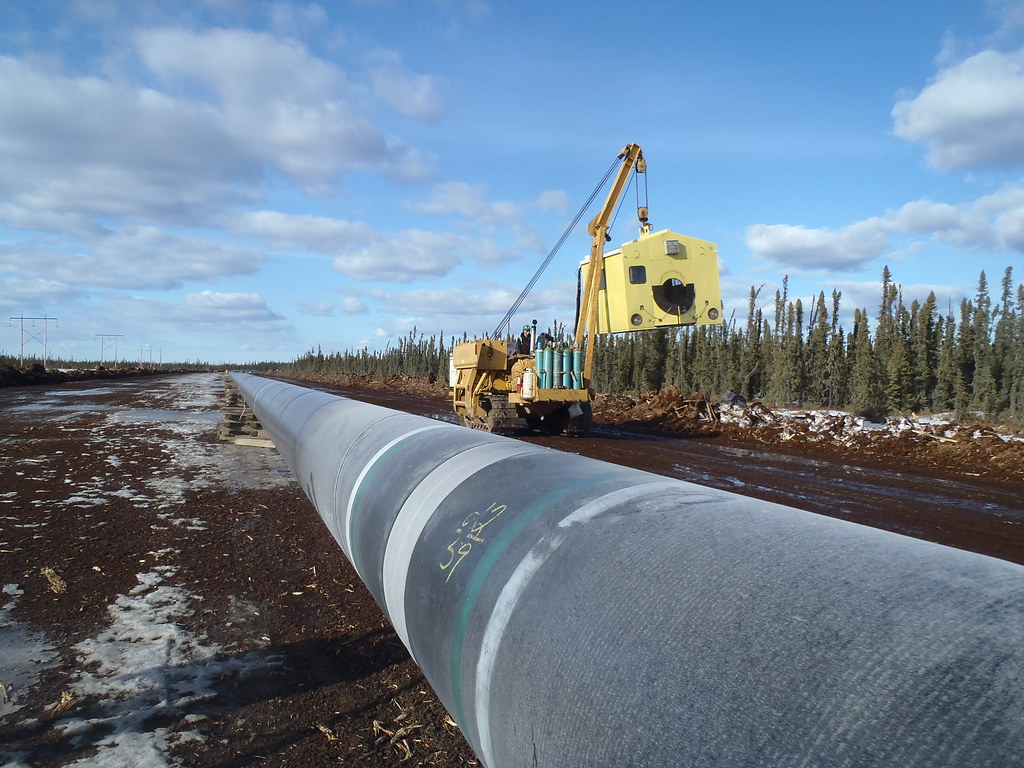
Alberta’s economy still depends heavily on natural resources, even as diversification efforts continue. The technology and service sectors have shown growth but remain minor compared to the dominant energy industry. Manufacturing and other industrial fields have yet to become major economic contributors. This dependence makes Alberta highly sensitive to changes in global commodity prices.
Healthcare and Education Pressures
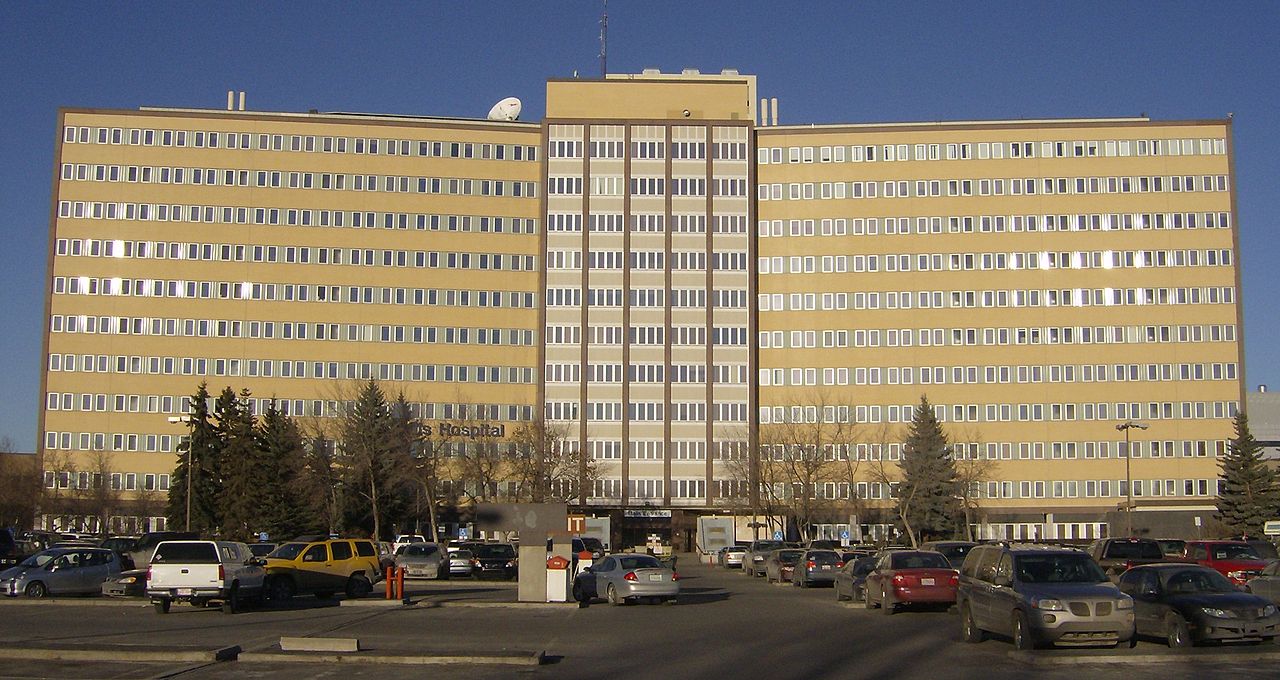
The healthcare system in Alberta is under strain from fast population growth, leading to longer wait times for medical care. Overcrowded schools and teacher shortages are problems in many districts, with new buildings lagging behind demand. Rural communities are especially hard hit as workers prefer larger urban centers. Without faster scaling of resources, service quality may decline.
Most Affordable Cities in Alberta for Families