
Minimalism has become the hottest lifestyle trend, with social media filled with perfectly curated spaces featuring expensive white furniture and strategically placed succulents. What started as a genuine philosophy about living with less has transformed into a luxury performance that only the wealthy can afford to pull off convincingly.
The truth is that real minimalism, born from necessity, looks nothing like the polished version we see online. True financial constraint creates a different kind of sparse living—one that lacks the deliberate aesthetic choices and premium quality items that define trendy minimalism. The movement has been hijacked by people who can afford to be picky, turning a practical way of life into an expensive hobby.
Quality over quantity costs a fortune

The minimalist mantra of “buy it once, buy it right” sounds wise until you see the price tags. That perfect capsule wardrobe features $200 white t-shirts and $400 jeans that will supposedly last forever. The single, beautiful wooden dining table that replaces cheap furniture costs more than most people’s monthly rent.
Real people living on tight budgets can’t afford to replace their entire wardrobe with premium basics or swap out functional furniture for designer pieces. The “quality over quantity” approach requires significant upfront capital that most people simply don’t have access to.
The privilege of choice in what to keep

Deciding what “sparks joy” is a luxury available only to people who have excess to choose from in the first place. When you’re struggling financially, you keep everything because you might need it later, and replacing things costs money you don’t have. The Marie Kondo approach assumes you can rebuy things if you make a mistake or your needs change.
Poor people can’t afford to throw away that extra winter coat or those mismatched dishes because there’s no guarantee they can replace them when needed.
Spacious homes make minimalism look easy
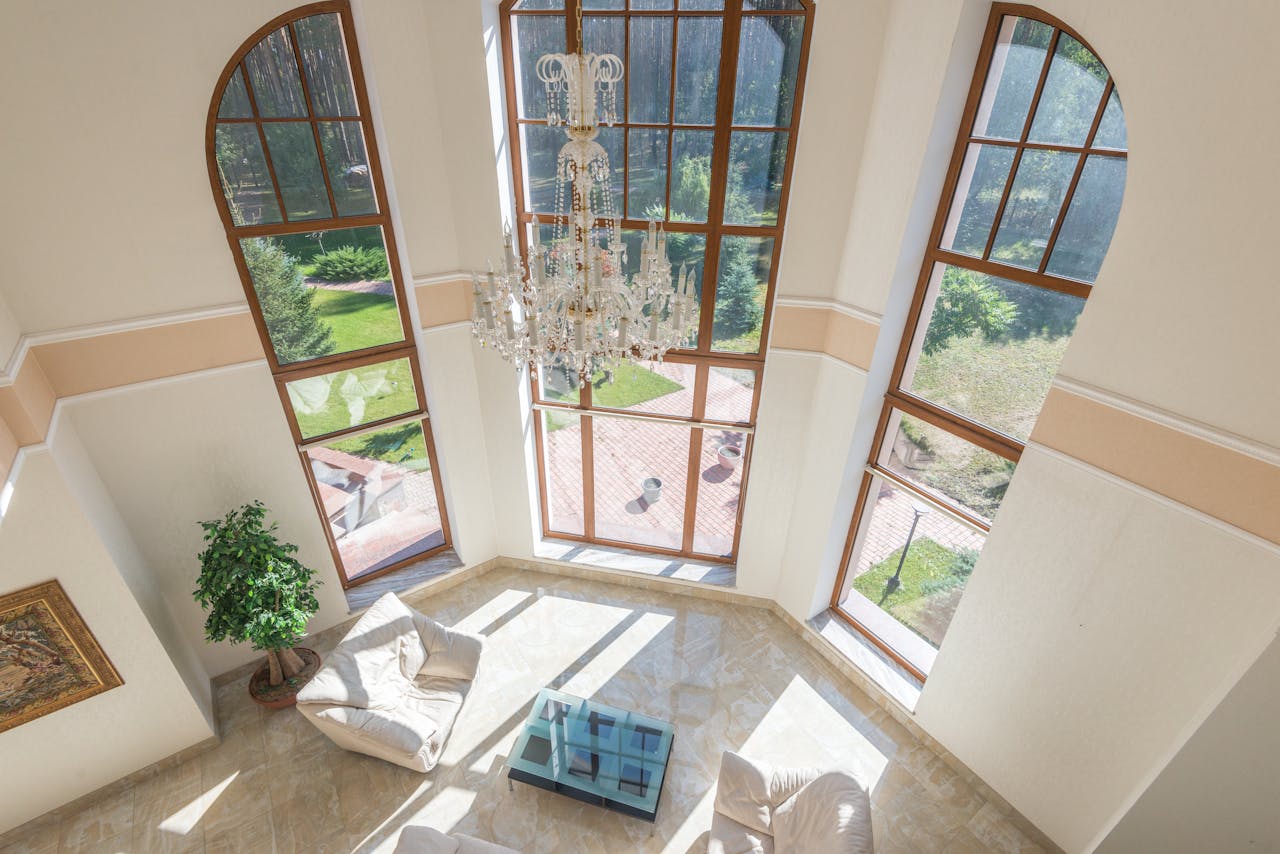
Minimalist photographs beautifully in large, airy spaces with high ceilings and plenty of room to breathe. The minimalist aesthetic relies heavily on negative space—something you can only achieve when you have plenty of space to work with. A few pieces of furniture in a spacious loft look minimalist; the same amount in a tiny apartment looks empty and sad.
Most people dealing with actual space constraints have to maximize every square inch for storage and functionality. When you’re cramming a family into a small apartment, minimalism isn’t an aesthetic choice—it’s just not having enough room for your actual needs.
The expensive art of looking effortless
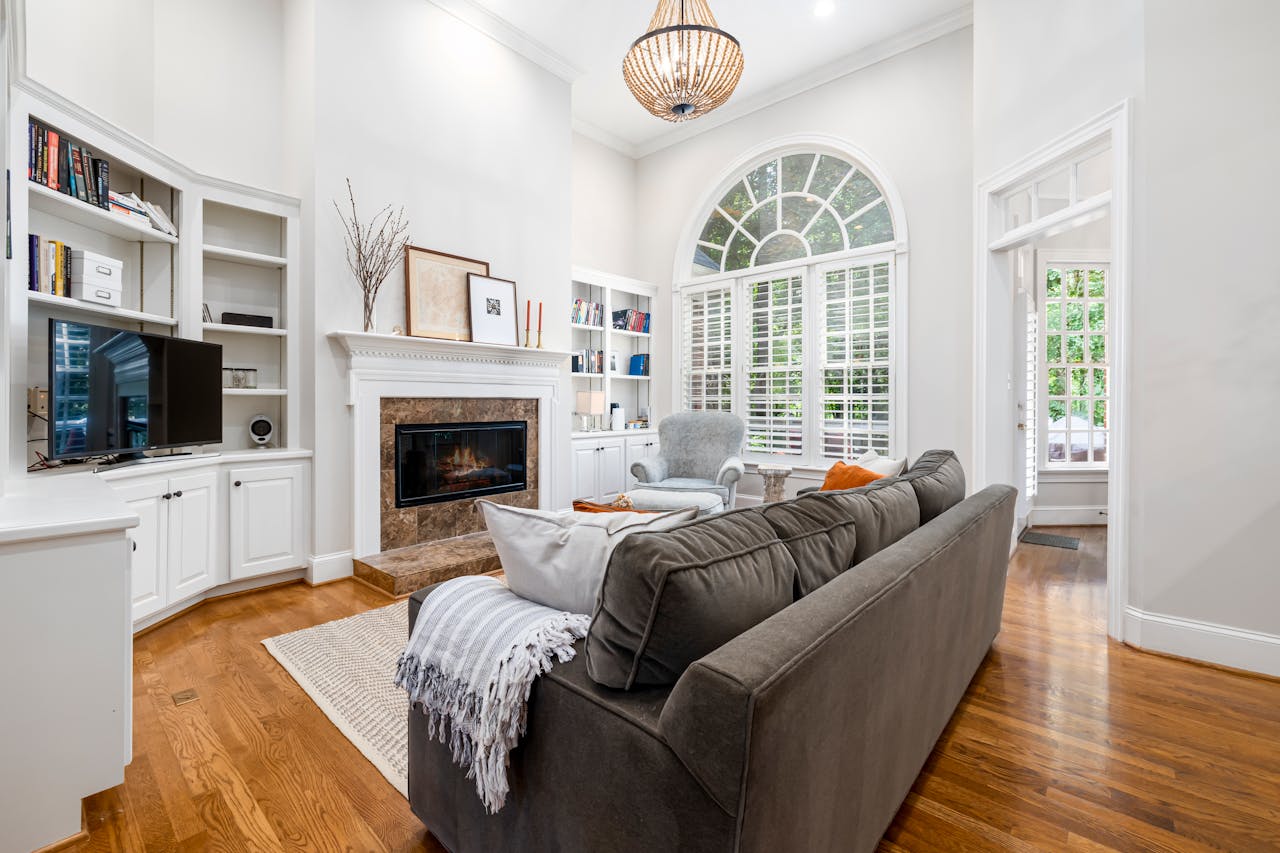
Creating a minimalist space that looks intentionally designed rather than just empty requires significant investment in the right pieces. Those perfectly imperfect handmade ceramics, the single statement light fixture, the carefully chosen throw pillow—these items cost significantly more than their mass-produced alternatives.
Every item has to be perfect because there are so few of them, which means each purchase becomes a significant investment. The “effortless” minimalist look actually requires extensive planning, research, and money to pull off correctly.
Storage solutions for the secretly cluttered
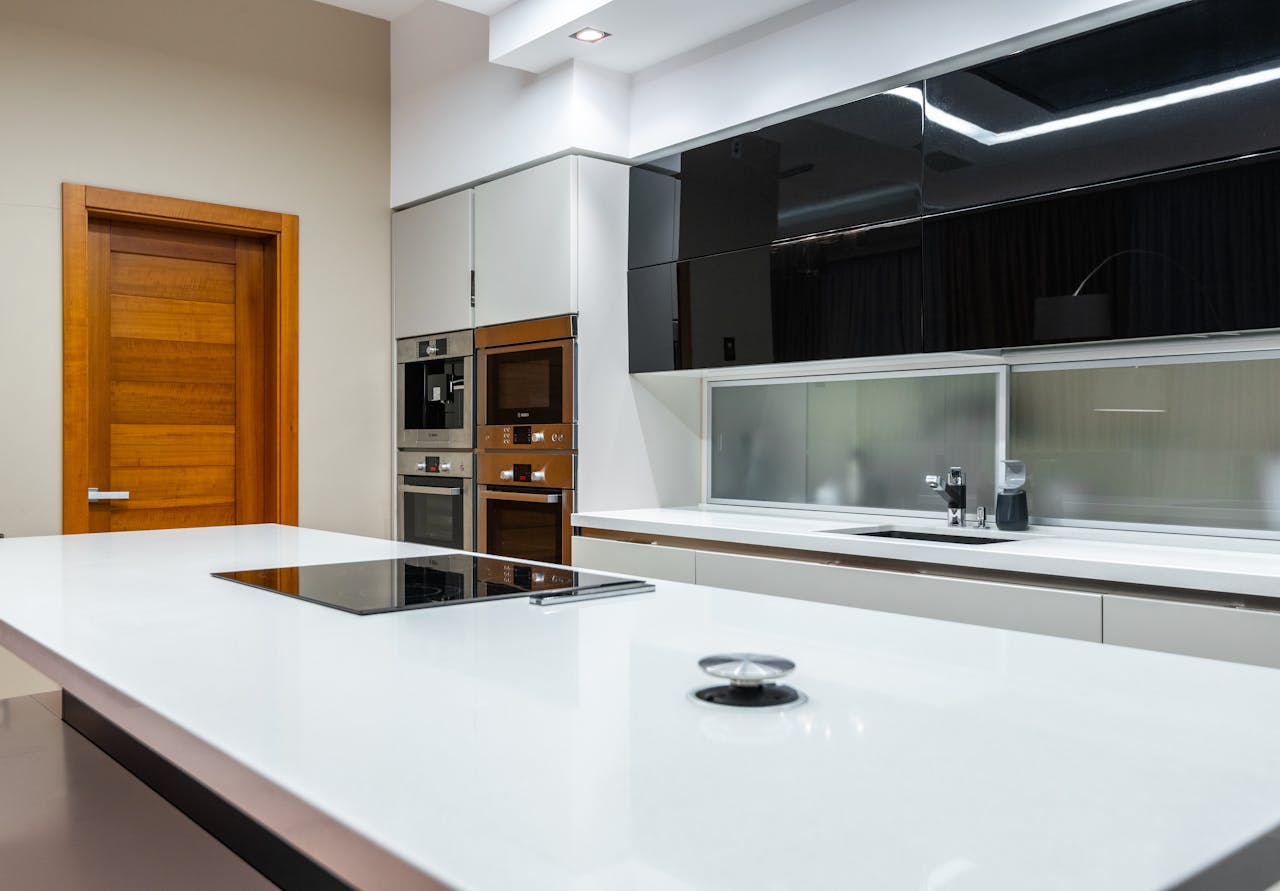
Many minimalist homes achieve their clean look through expensive hidden storage solutions and off-site storage units. Built-in cabinets, custom closets, and clever hidden compartments cost thousands of dollars to install. Some minimalists simply move their excess stuff to storage facilities, paying monthly fees to maintain their clean aesthetic while still owning plenty of possessions.
The truly wealthy hire professional organizers and invest in custom storage solutions that hide all evidence of normal human accumulation. They’re not actually living with less—they’re just paying to make it look that way.
The minimalist kitchen myth
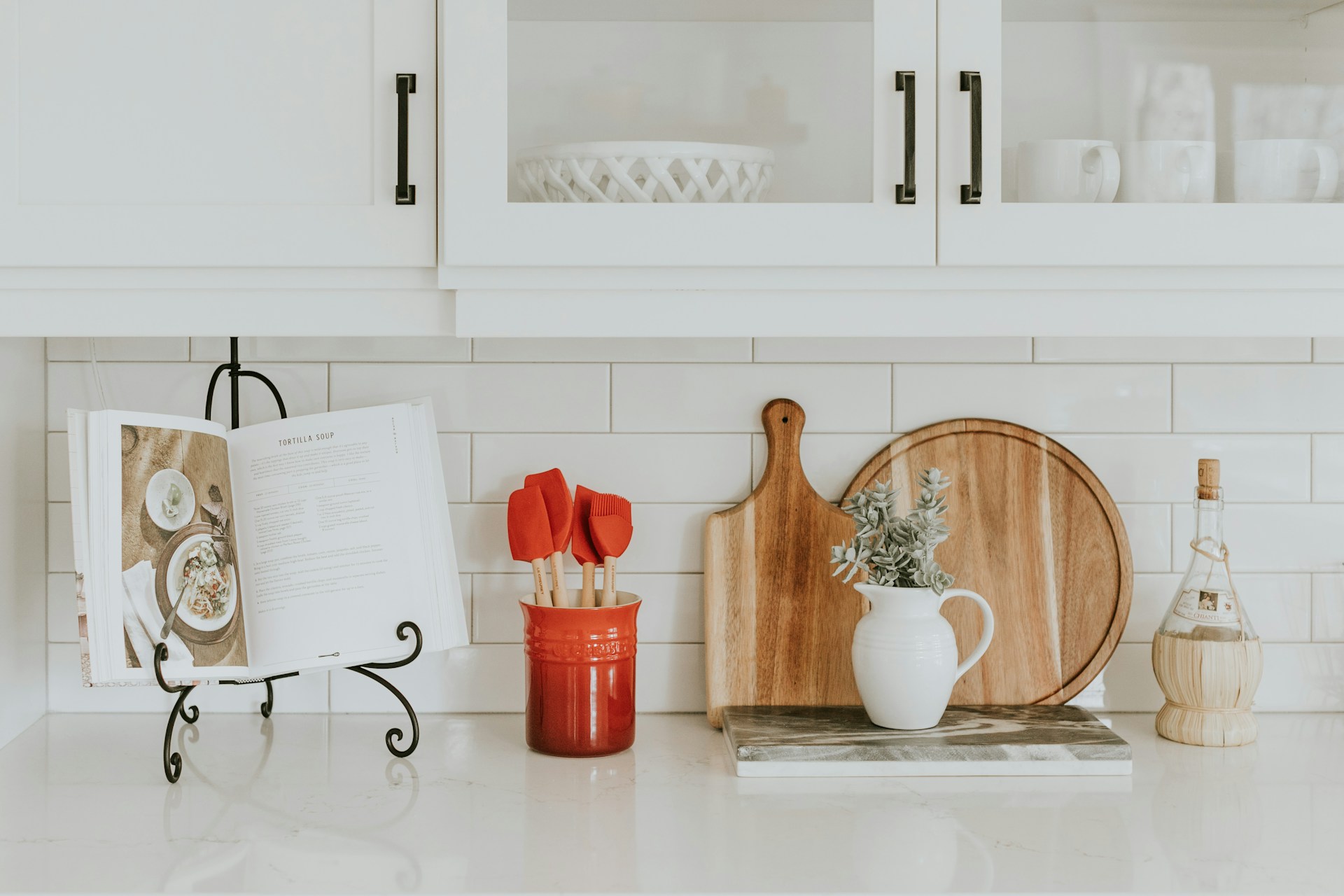
Minimalist kitchens with three perfect knives and one beautiful cutting board look amazing in photos but don’t serve families who need to cook actual meals regularly. These spaces assume either eating out frequently or having very simple dietary needs that don’t require specialized equipment or ingredients.
Families cooking diverse meals, dealing with food allergies, or preserving food for budget reasons need multiple pots, various utensils, and storage containers that make minimalist kitchens impractical. The minimalist kitchen works best for people who can afford to outsource much of their food preparation.
Instagram minimalism requires professional staging
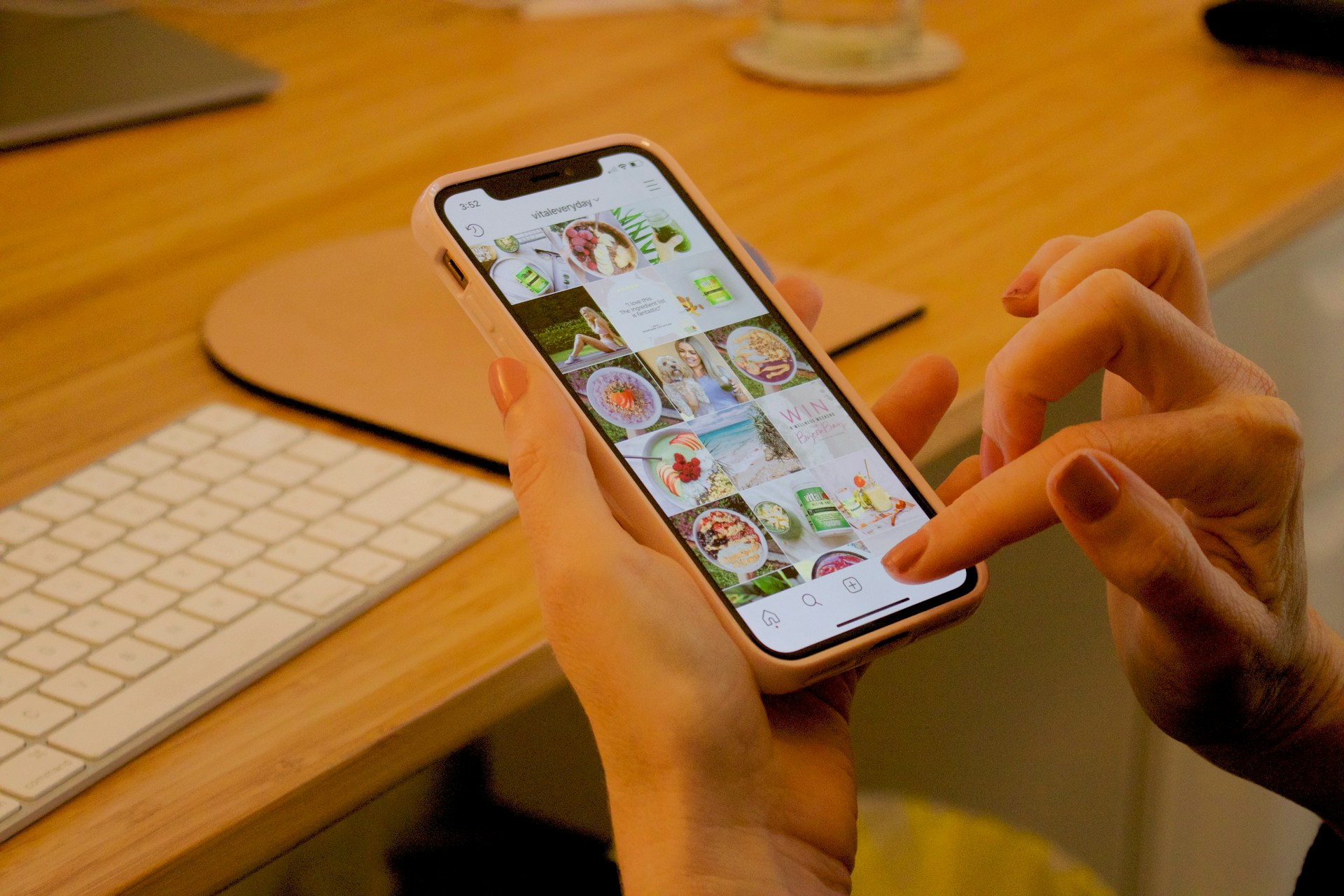
The minimalist homes featured on social media don’t look that way by accident—they’re carefully staged and photographed to achieve maximum impact. Professional photographers use specific lighting, angles, and editing to make these spaces look effortlessly perfect. The homeowners often spend hours arranging items to get the perfect shot for their minimalist lifestyle brand.
Real minimalism born from necessity doesn’t photograph well because it’s functional and practical rather than aesthetically pleasing. The social media version is performative, designed to impress viewers rather than serve actual needs.
The luxury of single-purpose items

Wealthy minimalists can afford to own items that serve only one function beautifully, while most people need items that multitask out of necessity. The perfect minimalist kitchen might feature one high-end knife that does everything, while a typical kitchen needs multiple tools that serve various purposes.
When space and money are limited, everything needs to work harder and serve multiple functions. Single-purpose luxury items are a privilege of people who can afford redundancy and specialization.
Seasonal rotation requires multiple wardrobes

Minimalist fashion often involves seasonal rotation of carefully selected pieces, which means owning multiple seasonal capsule wardrobes that get stored and rotated throughout the year. This approach requires significant investment in high-quality seasonal pieces, plus proper storage space and climate control to maintain these rotated items.
People with limited resources can’t afford multiple seasonal wardrobes or the storage solutions needed to maintain them properly. They need clothing that works across seasons and situations, which often means owning more versatile pieces that might not fit the minimalist aesthetic.
The contradiction of expensive simplicity
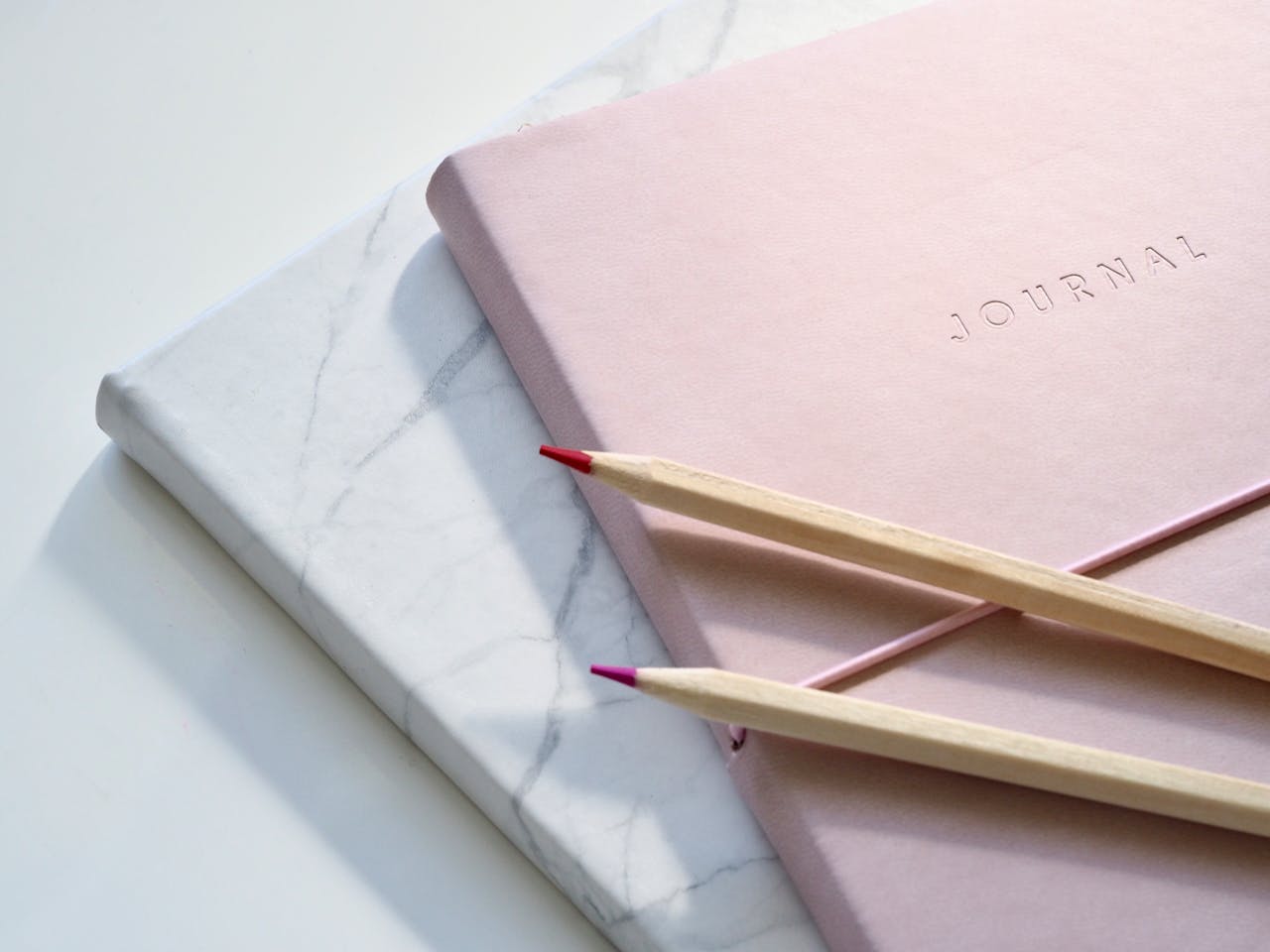
The minimalist movement has spawned an entire industry of expensive products designed to help people live more simply, from $50 notebooks to $200 water bottles that promise to reduce consumption. These premium “simple living” products often cost exponentially more than their basic alternatives while claiming to represent a rejection of consumerism.
Businesses have capitalized on the minimalist trend by creating luxury versions of basic items, marketing them as essential for the minimalist lifestyle. This commercialization completely contradicts the original principles of minimalism.
Professional organizing as a luxury service

The minimalist lifestyle has created a booming industry of professional organizers, decluttering experts, and lifestyle consultants who charge hundreds of dollars per hour to help people achieve the perfect minimalist space. These services assume disposable income and flexible schedules that most people don’t have.
Regular families can’t afford to hire someone to Marie Kondo their entire home or pay for ongoing consultation about their lifestyle choices. They need to figure out organization and decluttering on their own, often while managing work and family responsibilities.
Sustainable minimalism costs more
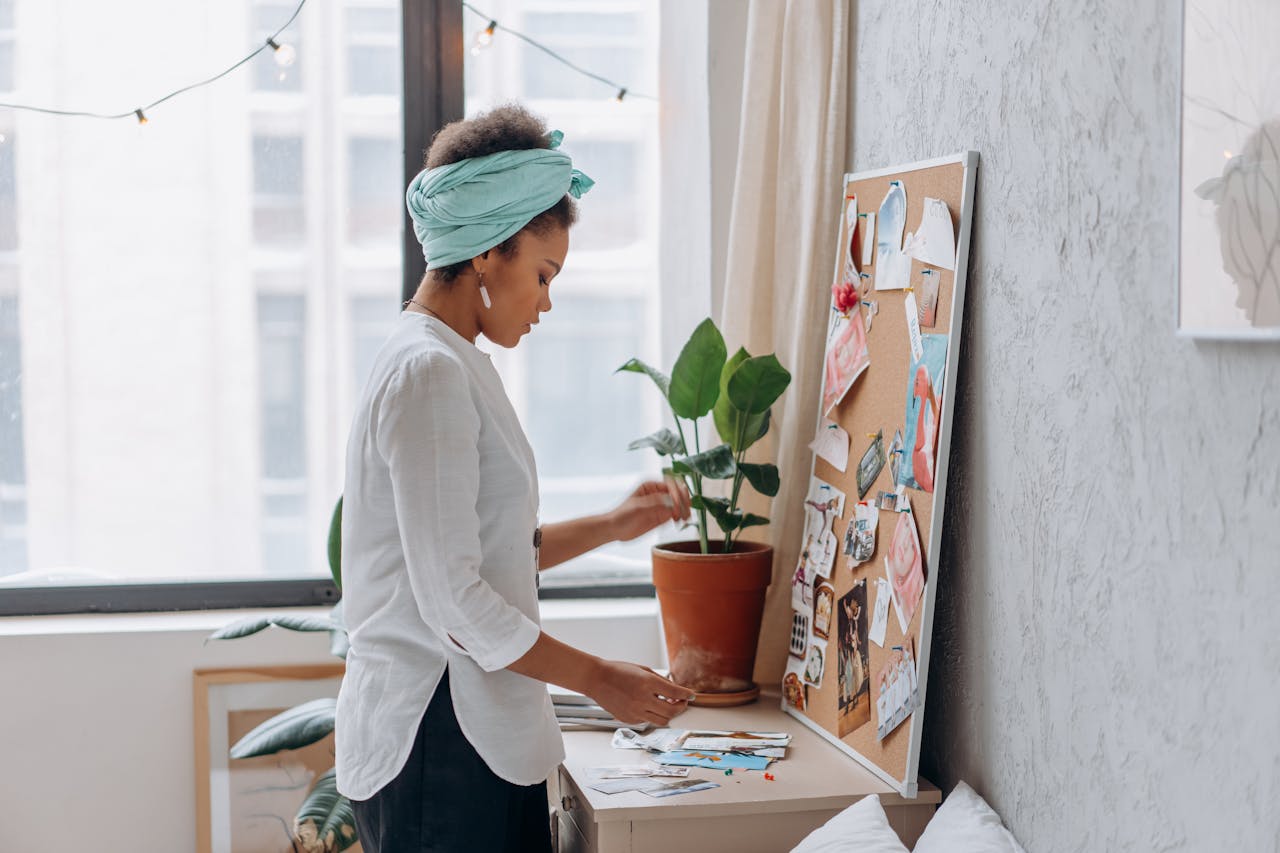
Minimalists often justify their expensive purchases by emphasizing sustainability and ethical production, but eco-friendly and ethically made products typically cost significantly more than conventional alternatives. The $150 organic cotton sheets and $300 sustainably sourced wooden cutting board become moral imperatives in minimalist circles.
People with limited budgets often can’t afford to make purchasing decisions based on environmental impact when they’re struggling to afford basic necessities. The intersection of minimalism and sustainability creates another barrier that excludes people who care about the environment but can’t pay premium prices.
Work-from-home space privilege

Minimalist home offices and creative spaces assume you have dedicated areas for work and hobbies that don’t interfere with daily living. These perfectly curated workspaces require both physical space and the luxury of separating work life from home life. The minimalist desk setup with one perfect monitor and artfully arranged supplies assumes a level of space allocation most people can’t achieve.
Families sharing small spaces can’t dedicate entire rooms to minimalist home offices or creative studios. They need flexible spaces that serve multiple purposes throughout the day, which means more stuff and fewer Instagram-worthy arrangements.
Financial lessons we can learn from minimalists

