
Canada is one of the most culinarily diverse countries on the planet, and a big part of that comes down to its regions, each with its own history, landscape, and people who’ve turned local ingredients into something deeply personal. Food here isn’t just fuel; it’s cultural identity, and every province and territory has at least one dish that locals will defend with the kind of passion usually reserved for hockey rivalries.
Whether you’re a born-and-bred Canuck who still hasn’t made it coast to coast, or someone who’s been here long enough to know that Tim Hortons is more than just coffee, this list is your edible passport. Try at least seven of these, and you’re basically initiated.
1. Poutine (Quebec)
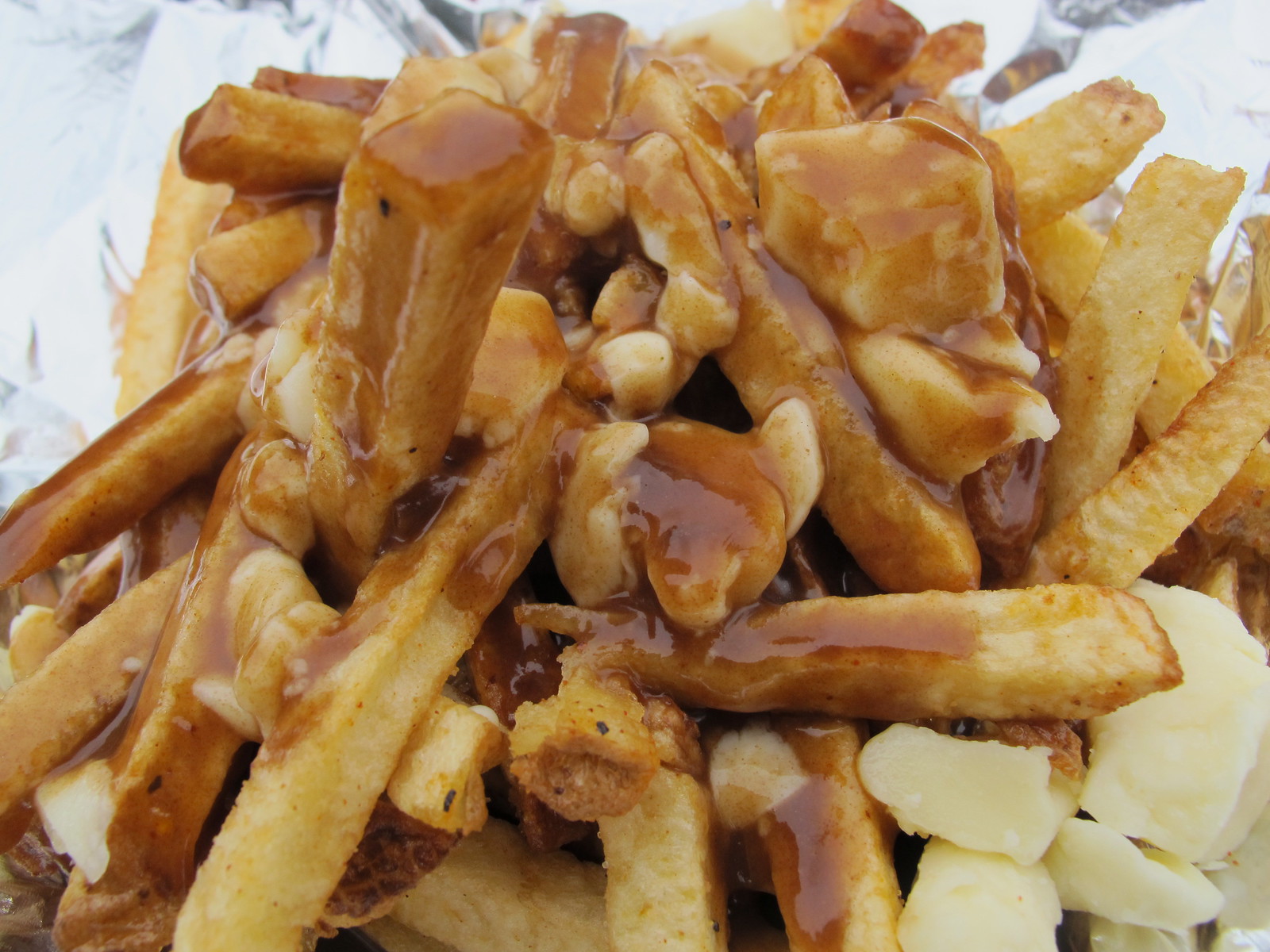
Few dishes have earned their international reputation as honestly as poutine. Thick-cut fries, fresh cheese curds, and rich brown gravy come together in a combination that sounds simple until you actually eat it. The gravy softens the curds just enough without melting them, and the contrast of crispy, squeaky, and silky is what makes it so addictive.
Born in rural Quebec in the late 1950s as simple truck stop food, poutine has since evolved into a national obsession with endless variations. The original version, made with proper squeaky fresh curds, remains the gold standard that everything else is judged against.
2. Butter tarts (Ontario)
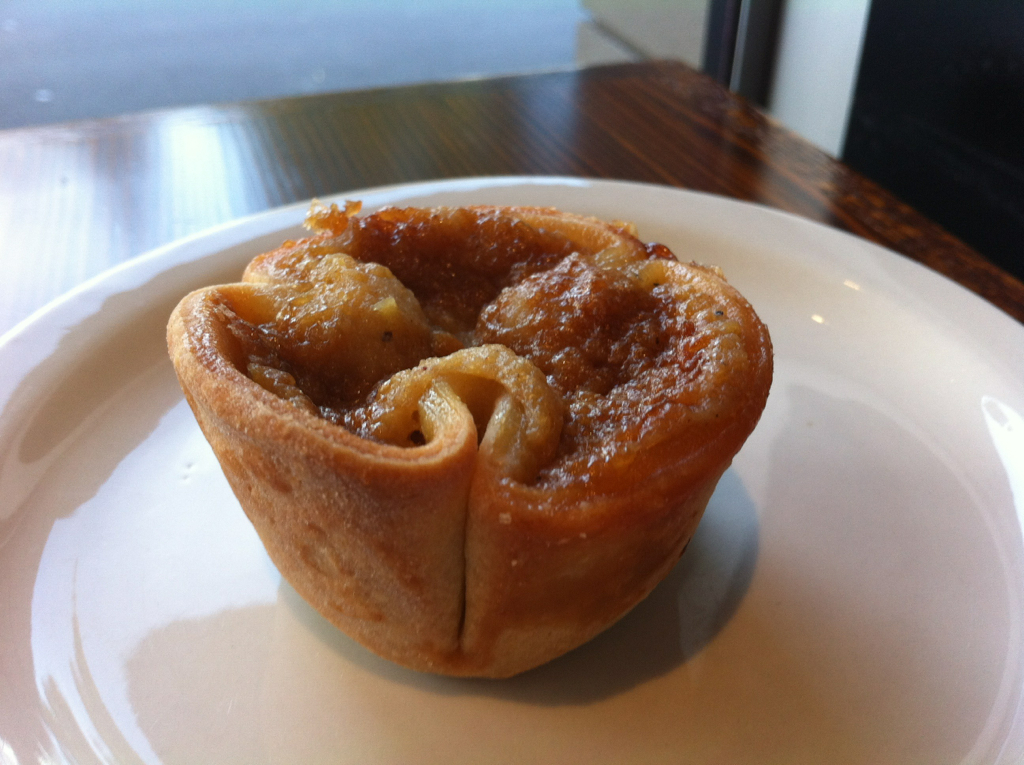
No dessert inspires quite the same devotion in Ontario as the butter tart. A flaky pastry shell cradles a filling of butter, sugar, eggs, and syrup that bakes into something between a custard and a caramel, slightly runny in the centre with a firm, golden top. The debate over raisins versus pecans has been ongoing for decades.
Documented in Canadian cookbooks since 1900, butter tarts have inspired entire food festivals across small-town Ontario. Humble and homey, they taste like a Sunday afternoon.
3. Tourtière (Quebec)
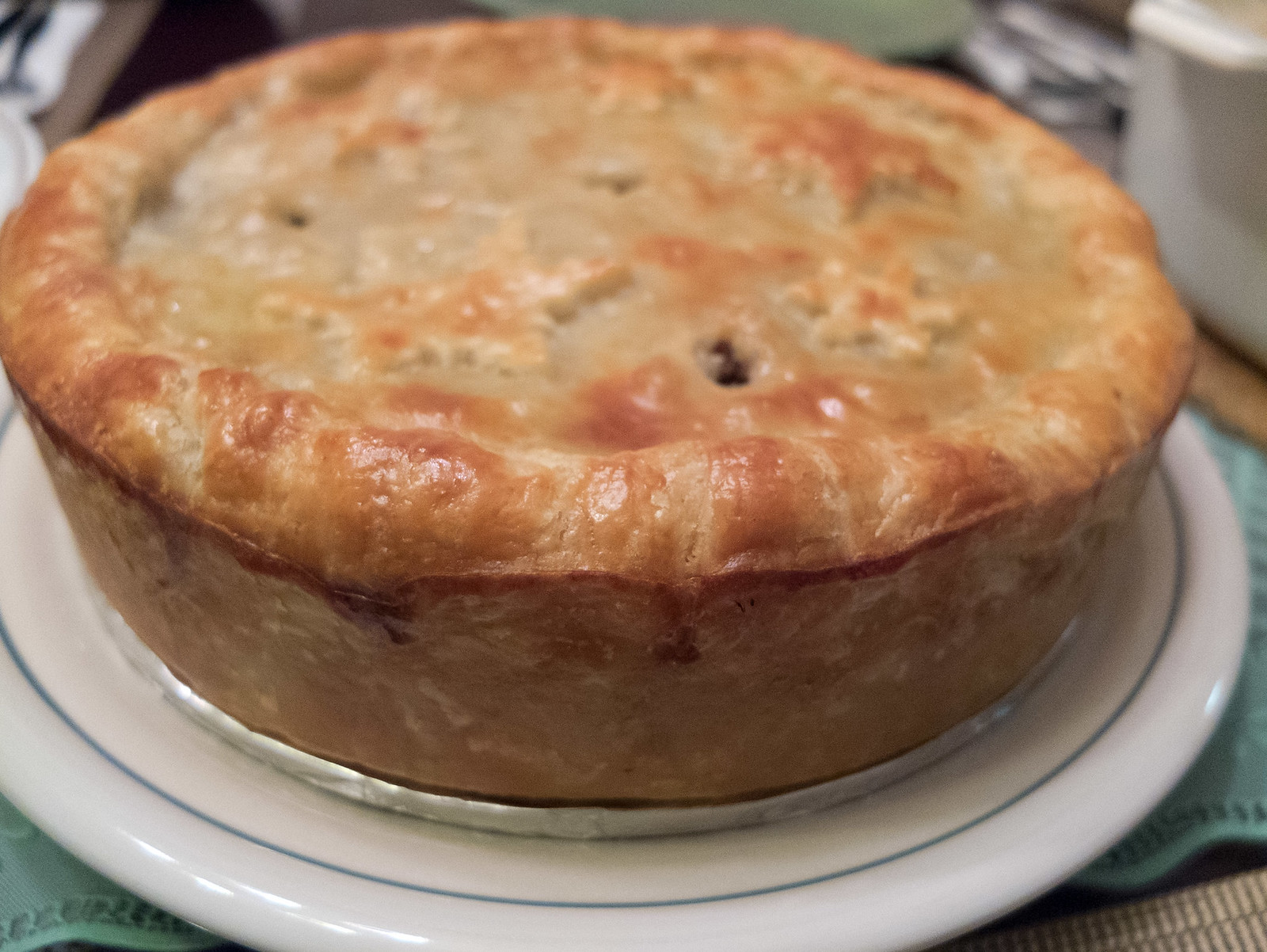
Deeply embedded in Quebec’s French-Canadian heritage, tourtière is a double-crusted meat pie most commonly served during the holidays but genuinely beloved year-round. Finely ground pork, veal, or beef gets seasoned with cloves, cinnamon, and allspice, giving it a savoury depth you don’t expect until the first bite.
Regional variations exist, but wherever you try it, tourtière carries real emotional weight. It’s the dish that grandmothers make, that appears on réveillon tables after midnight Mass, and that instantly transports people back to childhood kitchens.
4. Rappie pie (Nova Scotia)
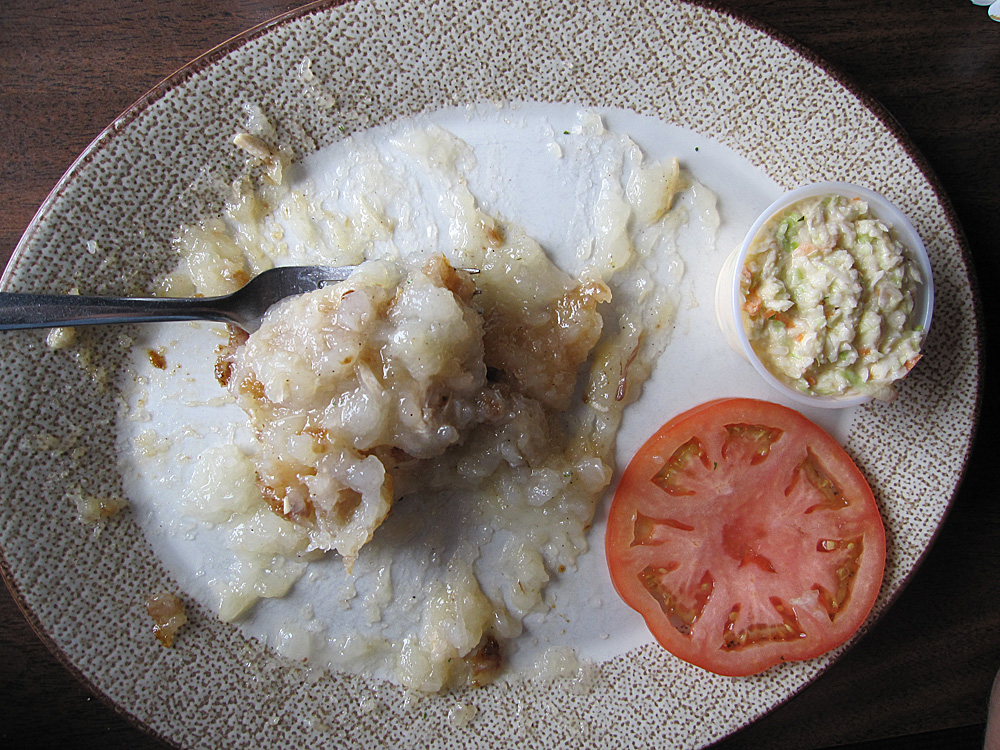
A cornerstone of Acadian culinary identity in southwestern Nova Scotia, rappie pie is unlike anything else in the Canadian food canon. Grated potatoes are wrung of nearly all their liquid, mixed with hot chicken or clam broth, and baked with chunks of meat until the top crisps into something deeply satisfying.
Texture is what makes rappie pie so hard to describe: somewhere between a dense potato cake and a casserole, with a chew and depth that comes from the broth soaking into every fibre. Finding a proper version outside of Acadian Nova Scotia is genuinely difficult, which makes eating it there feel like a real experience.
5. Nanaimo bars (British Columbia)
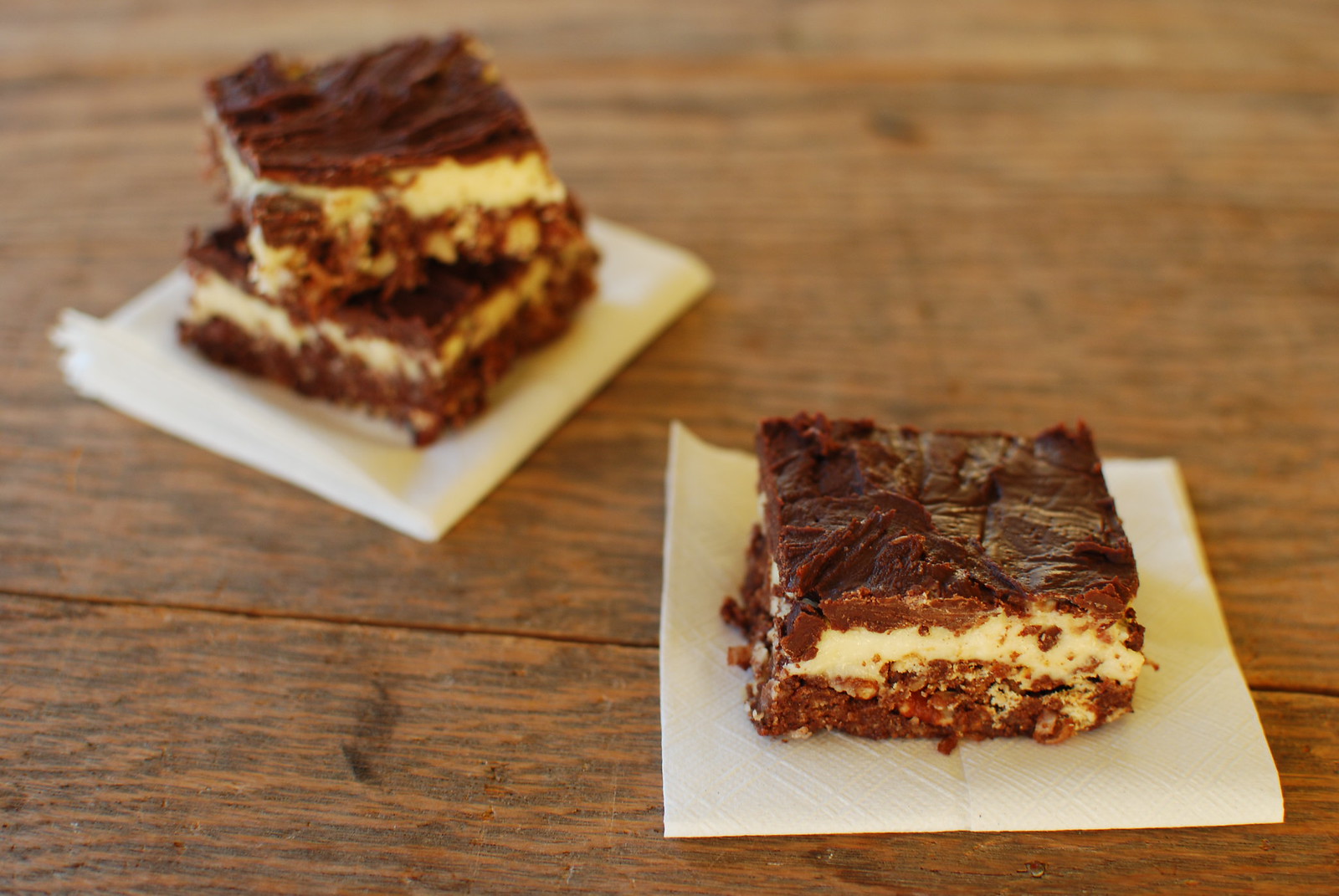
Named after the city of Nanaimo on Vancouver Island, these no-bake squares have become one of the most recognizable Canadian treats internationally. Three distinct layers do all the work: a cocoa-and-wafer crumb base, a creamy custard buttercream middle, and a glossy dark chocolate top that snaps cleanly when you bite through it.
First appearing in local cookbooks in the early 1950s, the recipe slowly spread across the country and eventually beyond. Variations exist, but the original is still the one people seek out at potlucks and bake sales from Victoria to Halifax.
6. Flipper pie (Newfoundland and Labrador)
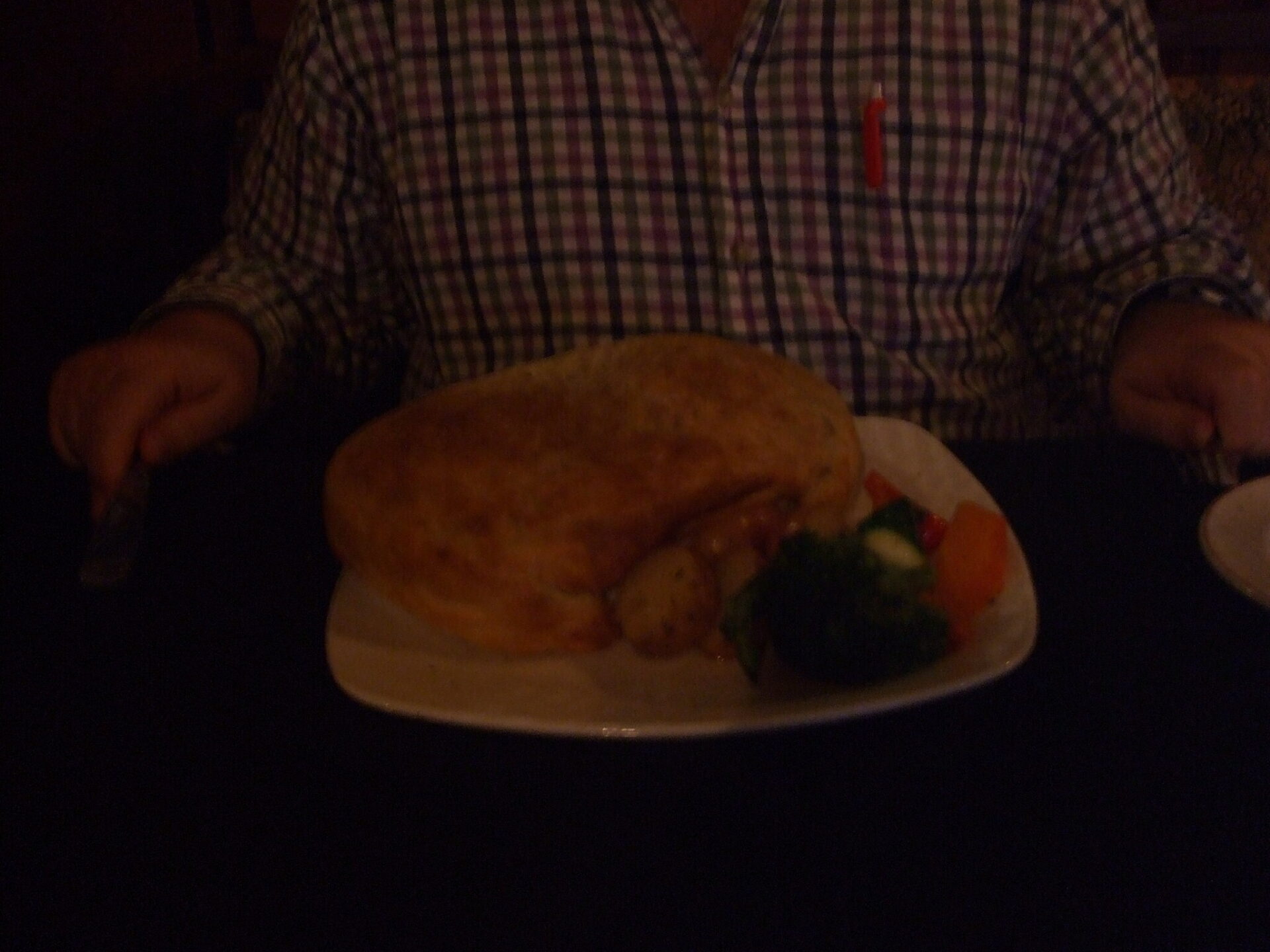
There is arguably no dish more distinctly Newfoundland than flipper pie. Harp seal flippers are slow-cooked until deeply tender, then packed into a pastry with onions, producing a rich, gamey flavour somewhere between dark poultry and venison, with a distinct oceanic undertone.
Rooted in the seal hunt culture that sustained coastal communities for centuries, eating flipper pie is, for many Newfoundlanders, an act of cultural pride. Spring is traditionally flipper pie season, and some restaurants and church halls still serve it then. Challenging for the unadventurous palate, it’s also one of the most genuinely unique culinary experiences Canada has to offer.
7. Saskatoon berry pie (Saskatchewan and Alberta)
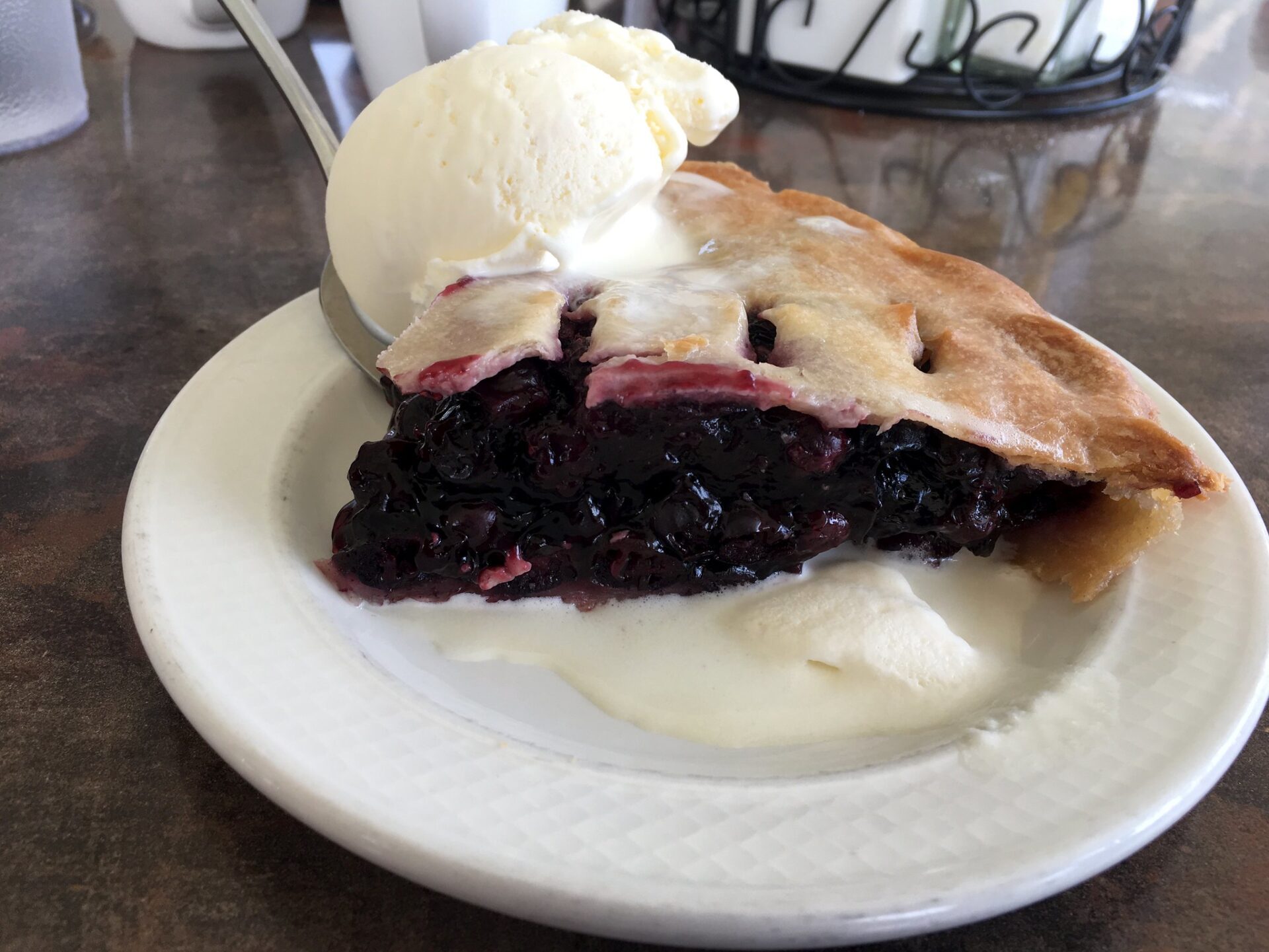
Small, purplish-blue, and deceptively similar to blueberries, Saskatoon berries taste entirely their own: nuttier, earthier, with a natural sweetness that deepens beautifully when baked. Packed into a flaky double-crust pastry, they hold their shape and release a thick, jammy juice that pools in every slice.
Indigenous peoples across the plains have used Saskatoon berries as a food source for thousands of years, and the city of Saskatoon takes its name from the Cree word “misâskwatômina.” Prairie residents will tell you with full seriousness that these pies are superior to blueberry in every possible way.
8. Split pea soup (Quebec and beyond)
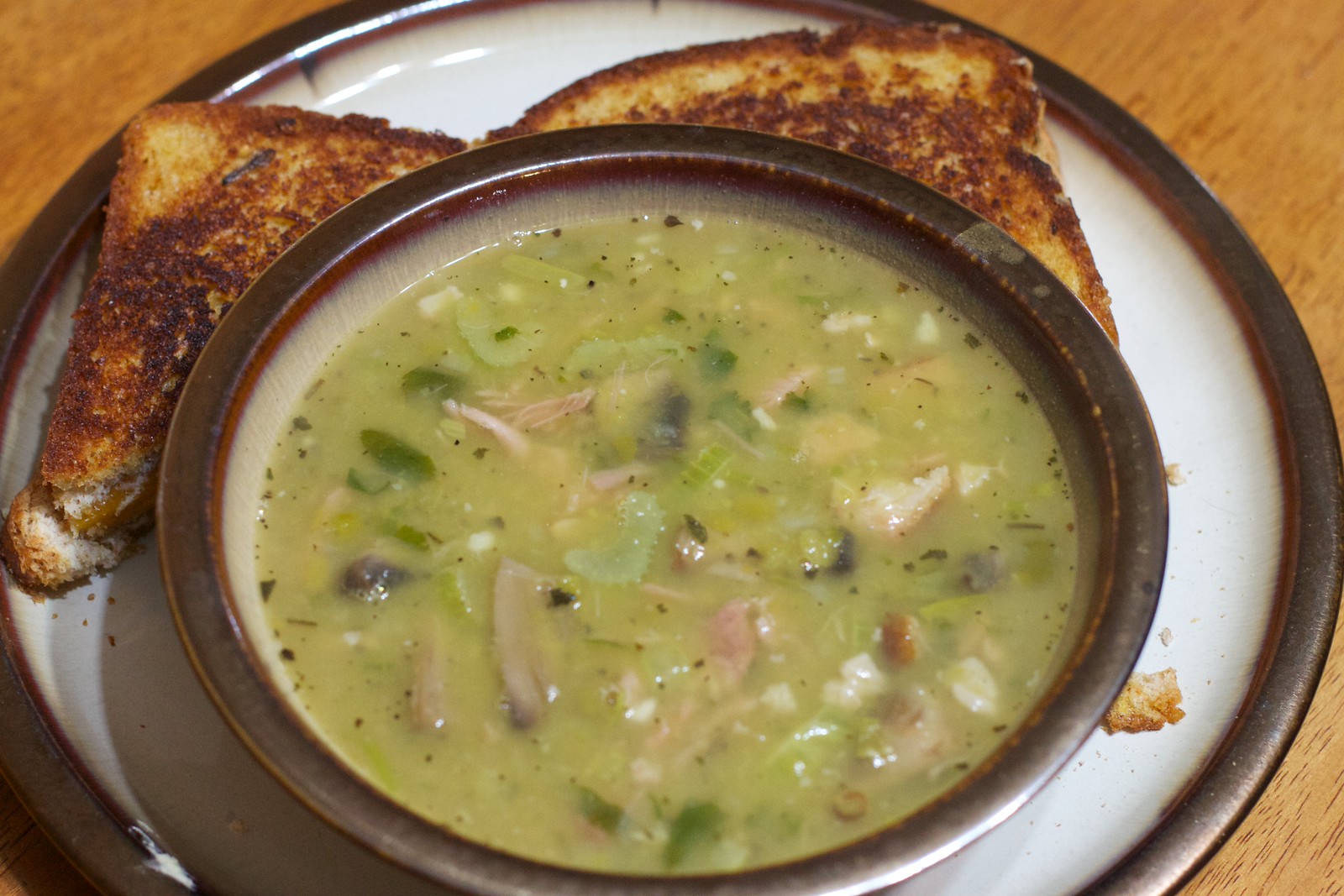
Simple in its ingredients but extraordinary in its results, Quebec’s soupe aux pois has been feeding Canadians through long winters since the country’s earliest days. Yellow split peas simmer for hours with a ham hock or salt pork until they break down into a thick, velvety broth that’s rich, smoky, and deeply satisfying.
Rooted in New France and a staple of habitant farming life since the 17th century, the dish remains a fixture of Quebec home kitchens today. Across Atlantic Canada, it’s equally beloved, served with warm bread on cold coastal nights.
9. Fish and brewis (Newfoundland and Labrador)
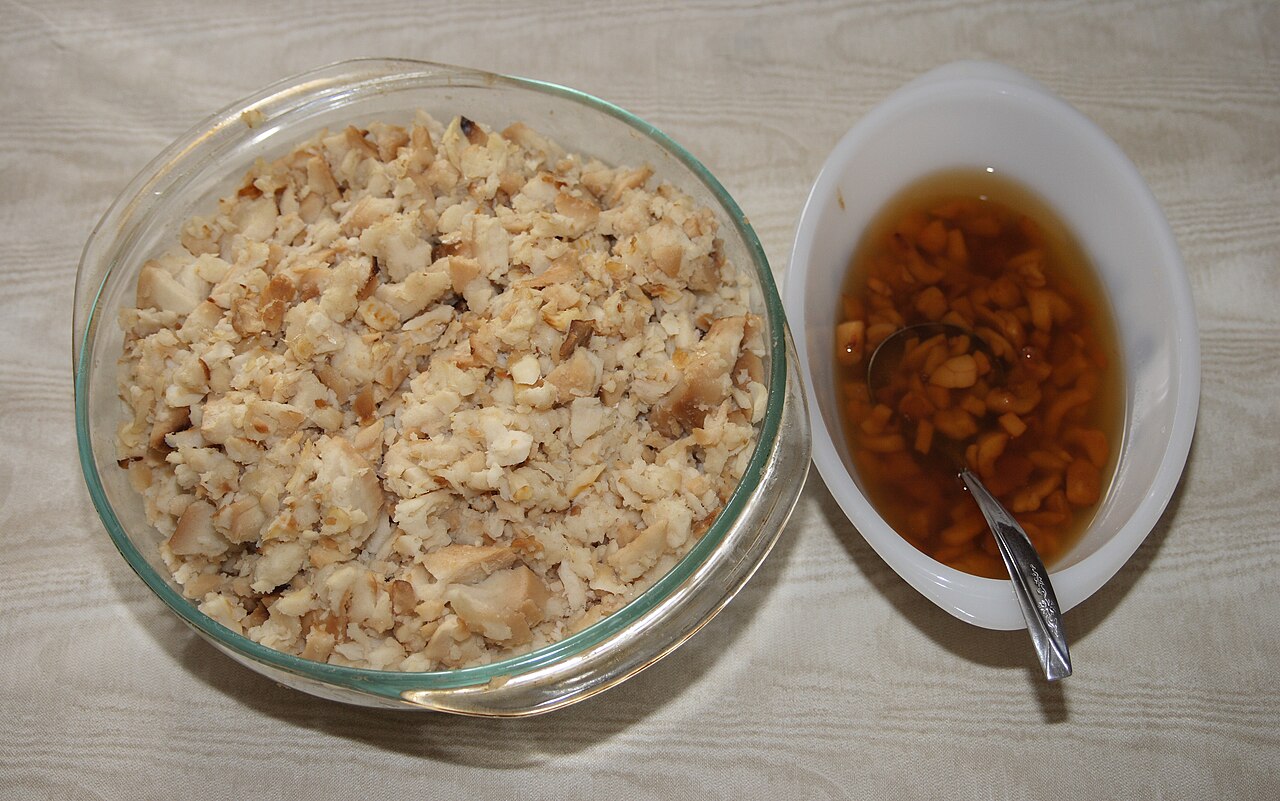
One of the oldest dishes in Newfoundland’s culinary history, fish and brewis is a meal built entirely around preservation. Salt cod and hard bread, both shelf-stable staples that sustained outport communities through long winters, are soaked overnight and cooked together into something humble and deeply satisfying. Scrunchions, small cubes of rendered salt pork fat scattered over the top, do more for the dish than any fancy garnish ever could.
It doesn’t photograph beautifully or read well on a modern menu, but that’s never been the point. Fish and brewis is about stretching simple ingredients into something nourishing, and eating it is a direct connection to the way Newfoundlanders have fed themselves for centuries.
10. Bannock (Indigenous communities across Canada)
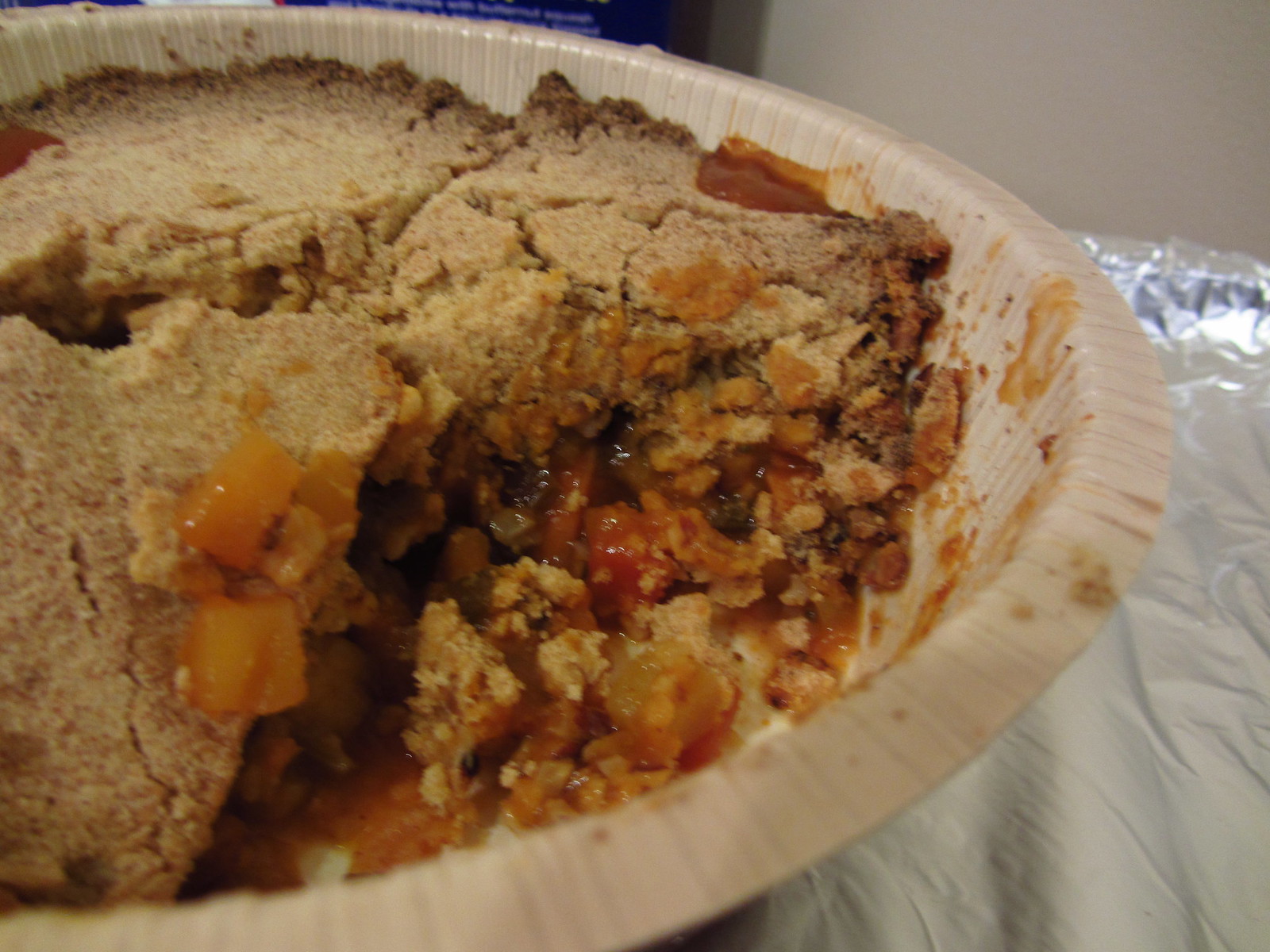
One of the oldest and most widely eaten foods in Canada, bannock is a simple flatbread with deep roots in Indigenous communities from coast to coast. Made from flour, water, salt, and fat, it can be baked, fried, or cooked on a stick over an open fire, and every community and family has their own version, their own texture, their own additions. It’s the kind of recipe that lives in muscle memory rather than measurements.
Though the basic ingredients were introduced through European trade, Indigenous peoples adapted bannock entirely as their own, and today it holds genuine cultural meaning far beyond its humble components. Eaten at powwows, community gatherings, and kitchen tables across the country, it shows up alongside stews, topped with jam, or simply pulled apart warm from the pan. Few foods in Canada carry quite the same breadth of meaning.
11. Digby scallops (Nova Scotia)
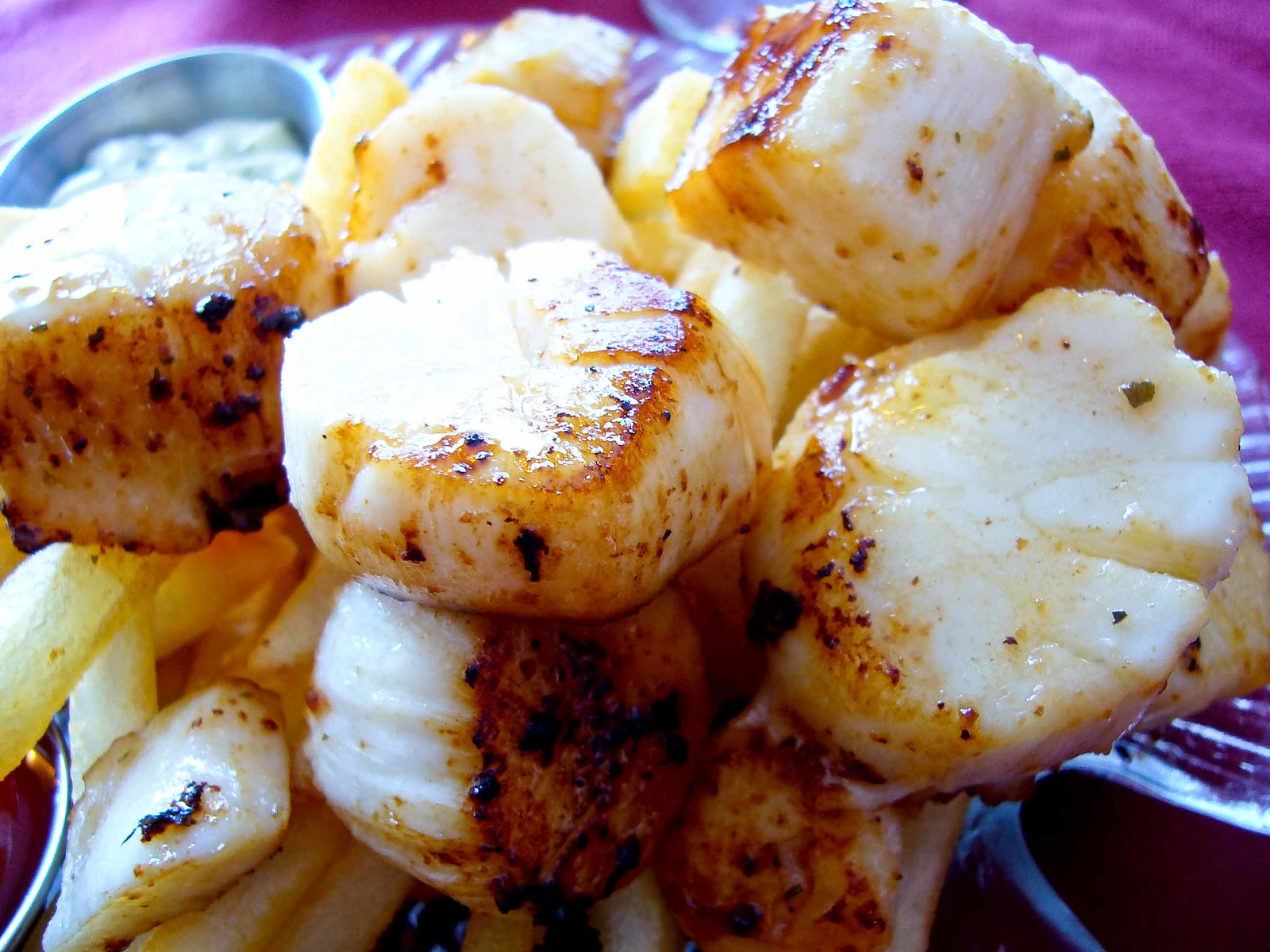
Harvested from the cold, deep waters of the Bay of Fundy, Digby scallops have a reputation among seafood lovers that extends well beyond Atlantic Canada. Larger and meatier than most scallops found elsewhere, they have a natural sweetness and clean oceanic flavour that comes entirely from the water they’re pulled from. The simplest preparations are the best: seared in butter until golden outside and just barely cooked through in the middle.
The town of Digby calls itself the scallop capital of the world, and eating them fresh in a harbour-side restaurant with the Bay of Fundy in the window is one of those food experiences that’s almost impossible to replicate anywhere else.
12. Tarte au sucre (Quebec)
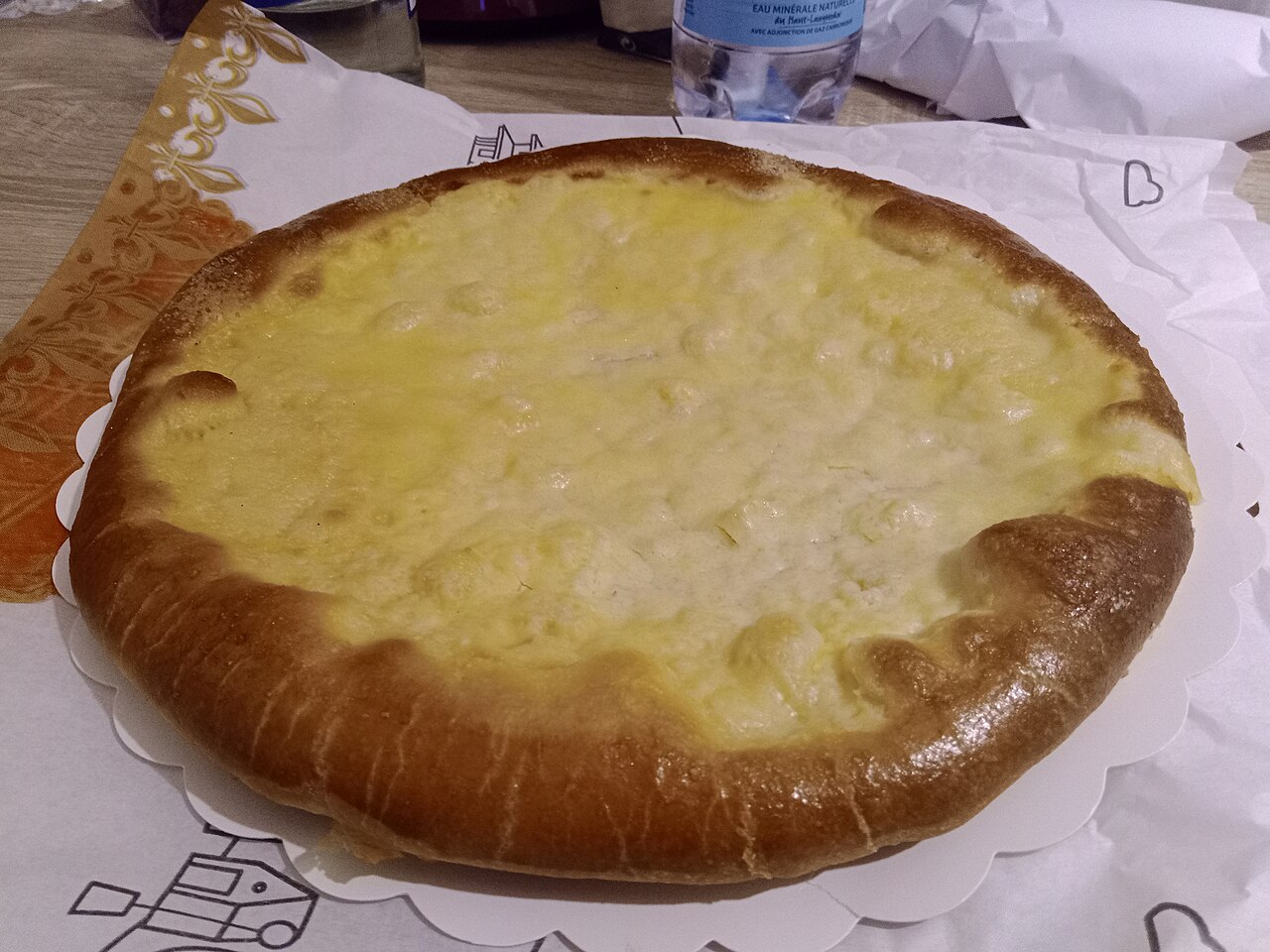
Richer and more unapologetically sweet than almost anything else on this list, tarte au sucre is a Quebec sugar pie that has been satisfying serious sweet tooths since the days of New France. Brown sugar, cream, and butter bake into a single-crust pastry filling that’s dense, fudgy, and intensely caramelized around the edges. It shares some DNA with the butter tart but is altogether more serious about its intentions.
Found at sugar shacks and family bakeries throughout the year, it’s especially beloved during maple season when the province is already deep in sugar mode. A thin slice is technically enough, though very few people stop there.
Only a true Maritimer has tasted all 12 of these iconic local dishes

Only a true Maritimer has tasted all 12 of these iconic local dishes
